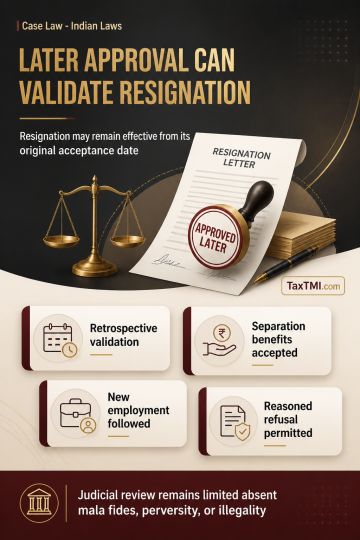
Ratification of resignation acceptance validates separation retrospectively, while withdrawal may be refused through reasoned administrative discretio...
Nature-dependent electricity contracts receive new Ind AS accounting, hedge designation, transition and financial-statement disclosure requirements fr...
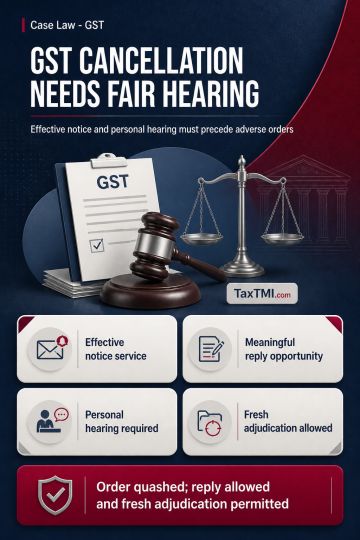
Alternative GST remedy permitted protective writ intervention for ex parte adjudication, preserving independent appellate review of input tax credit d...
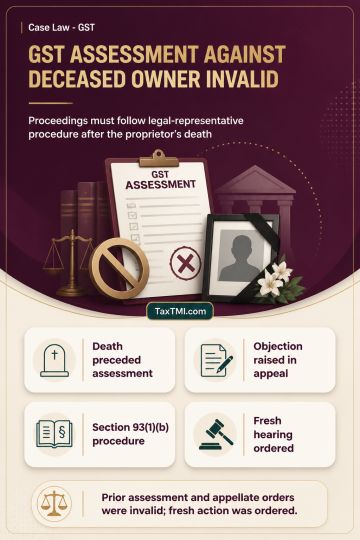
Assessment against deceased sole proprietor requires proceedings against the legal representative, rendering prior assessment and appellate orders inv...
Residential waste collection classification under SAC 999423 defeats composite-supply exemption where facilitating goods are not transferred to the lo...
HC ruled that Transfer Pricing adjustments framework agreed under Mutual Agreement Procedure (MAP) between US and India cannot be applied to non-US transactions. The court emphasized that MAP resolutions are based on consensus between competent authorities of contracting states and cannot be extrapolated to transactions outside its scope. Arm's Length Price for non-US transactions must be determined under Section 92C and Rule 10B. The ITAT's direction to apply US MAP framework to non-US transactions was overturned as it effectively imposed a negotiated settlement where no consensus existed with other countries' tax authorities. The framework's application would improperly foreclose an assessee's right to dispute TP adjustments in materially different situations.
HC ruled that Transfer Pricing adjustments framework agreed under Mutual Agreement Procedure (MAP) between US and India cannot be applied to non-US transactions. The court emphasized that MAP resolutions are based on consensus between competent authorities of contracting states and cannot be extrapolated to transactions outside its scope. Arm's Length Price for non-US transactions must be determined under Section 92C and Rule 10B. The ITAT's direction to apply US MAP framework to non-US transactions was overturned as it effectively imposed a negotiated settlement where no consensus existed with other countries' tax authorities. The framework's application would improperly foreclose an assessee's right to dispute TP adjustments in materially different situations.
Note: It is a system-generated summary and is for quick reference only.
 TaxTMI
 of 4798
















 Join Channel


 TaxTMI
