Transaction value rejection requires reliable corroboration; refundable VAT is excluded and temporary registration does not defeat new-vehicle exempti...
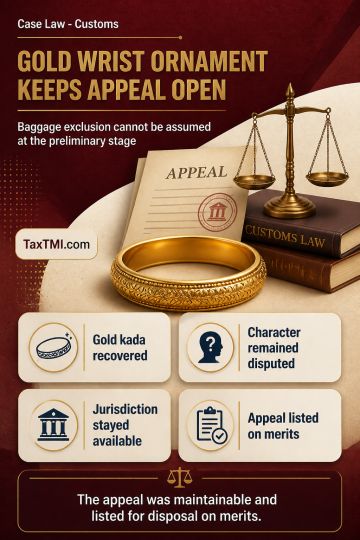
Appellate jurisdiction remains available where a wrist-worn gold ornament cannot conclusively be characterised as imported baggage at the preliminary ...
Written complaint requirement bars cognizance on police reports for securities offences, while unsupported breach of trust and cheating allegations fa...
Risk-based postal import clearance standardises electronic assessment, document requests, duty realisation and delivery controls at Foreign Post Offic...
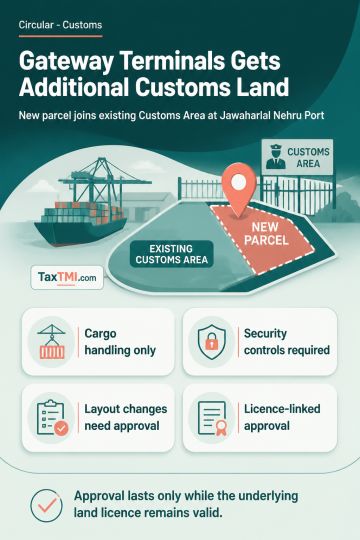
Customs Cargo Service Provider appointment extends custodianship to additional terminal land, subject to cargo-control, security and licence condition...
HC ruled that Transfer Pricing adjustments framework agreed under Mutual Agreement Procedure (MAP) between US and India cannot be applied to non-US transactions. The court emphasized that MAP resolutions are based on consensus between competent authorities of contracting states and cannot be extrapolated to transactions outside its scope. Arm's Length Price for non-US transactions must be determined under Section 92C and Rule 10B. The ITAT's direction to apply US MAP framework to non-US transactions was overturned as it effectively imposed a negotiated settlement where no consensus existed with other countries' tax authorities. The framework's application would improperly foreclose an assessee's right to dispute TP adjustments in materially different situations.
HC ruled that Transfer Pricing adjustments framework agreed under Mutual Agreement Procedure (MAP) between US and India cannot be applied to non-US transactions. The court emphasized that MAP resolutions are based on consensus between competent authorities of contracting states and cannot be extrapolated to transactions outside its scope. Arm's Length Price for non-US transactions must be determined under Section 92C and Rule 10B. The ITAT's direction to apply US MAP framework to non-US transactions was overturned as it effectively imposed a negotiated settlement where no consensus existed with other countries' tax authorities. The framework's application would improperly foreclose an assessee's right to dispute TP adjustments in materially different situations.
Note: It is a system-generated summary and is for quick reference only.
 TaxTMI
 of 4805













 Join Channel


 TaxTMI
