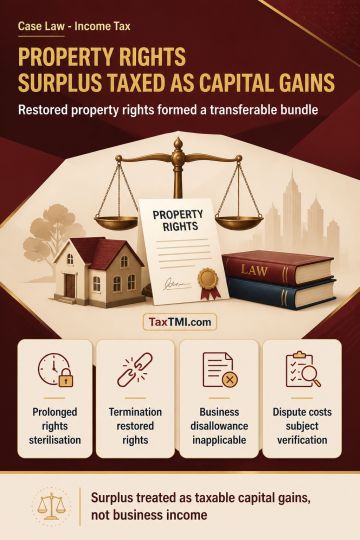
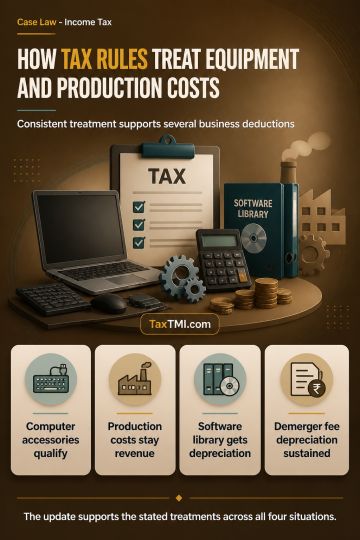
Prolonged sterilisation of development rights supports capital-gains treatment, while business-income disallowances cannot govern capital-gains comput...
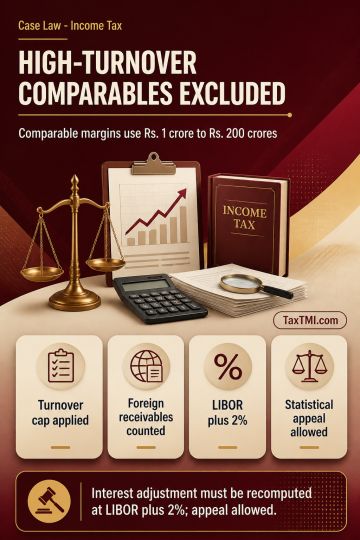
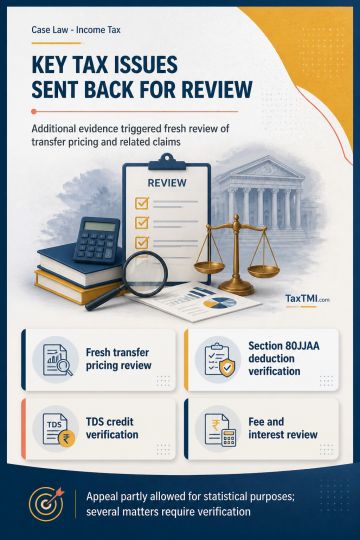
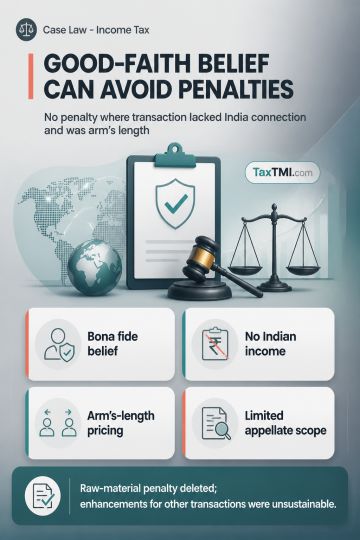
Additional evidence in transfer pricing dispute leads to fresh examination, while tax deductions, TDS credit, fee and refund interest require verifica...
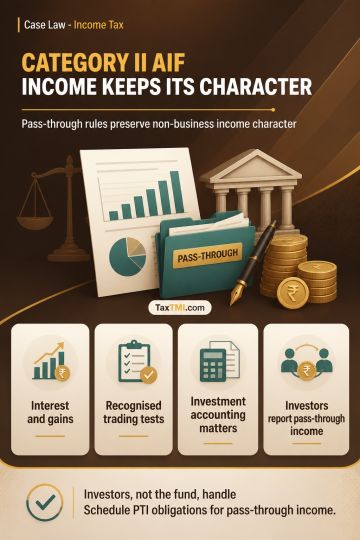
Category II AIF pass-through taxation preserves non-business income character; investment receipts cannot be reclassified without applying recognised ...
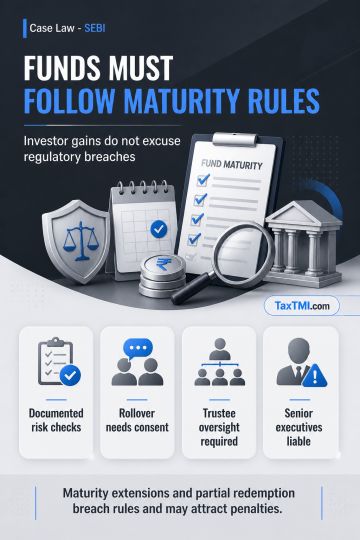
Mutual fund maturity rules require proper rollover, redemption, disclosure, and due diligence; investor gains cannot excuse regulatory breaches or pen...
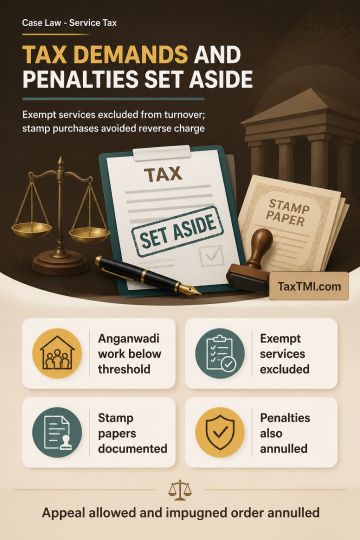
Threshold exemption excludes exempt services, while stamp-paper purchases avoid reverse charge; consequential service tax penalties were also set asid...
HC held that appellate authority lacks inherent power to condone delay beyond statutory limits under CGST Act Section 107. Appeals must be filed within three months of order communication, with discretionary one-month extension for sufficient cause under Section 107(4). Where legislation creates special limitation regime with terminal date, general provisions of Limitation Act do not apply. Appellate authority's condonation power is strictly confined to statutory framework. Appeals filed beyond combined four-month period (three months plus one month extension) under Section 107(1) and 107(4) were dismissed as time-barred. Court emphasized that statutory remedies must strictly adhere to prescribed limitation periods in special tax legislation.
HC held that appellate authority lacks inherent power to condone delay beyond statutory limits under CGST Act Section 107. Appeals must be filed within three months of order communication, with discretionary one-month extension for sufficient cause under Section 107(4). Where legislation creates special limitation regime with terminal date, general provisions of Limitation Act do not apply. Appellate authority's condonation power is strictly confined to statutory framework. Appeals filed beyond combined four-month period (three months plus one month extension) under Section 107(1) and 107(4) were dismissed as time-barred. Court emphasized that statutory remedies must strictly adhere to prescribed limitation periods in special tax legislation.
Note: It is a system-generated summary and is for quick reference only.
 TaxTMI
 of 4805




 Join Channel


 TaxTMI
