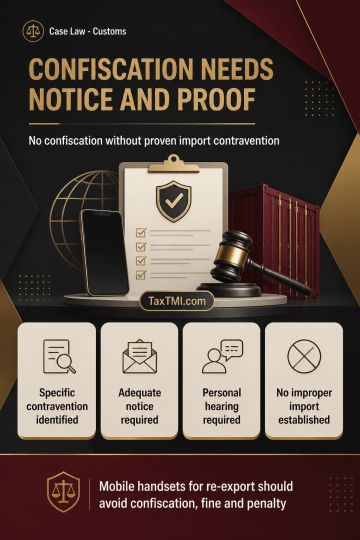
Arrest safeguards require disclosed grounds, relative intimation and transit remand, while duplicate prosecution under the CGST framework is unsustain...
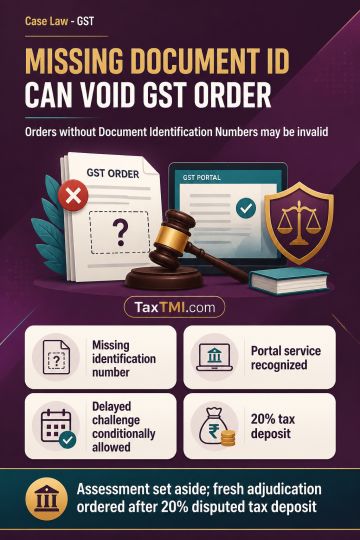
Document Identification Number defects can invalidate GST assessments, with delayed challenges entertained conditionally where patent irregularities e...
Windmill commissioning evidence supported higher depreciation where grid connection and electricity generation proved operational use before the relev...
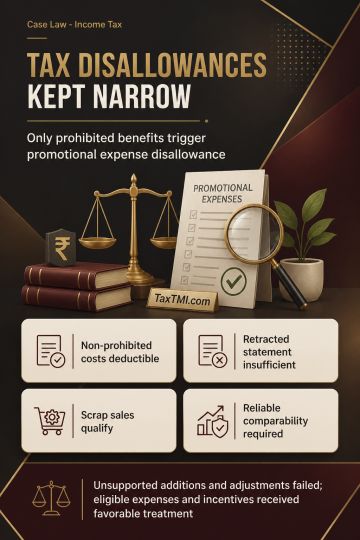
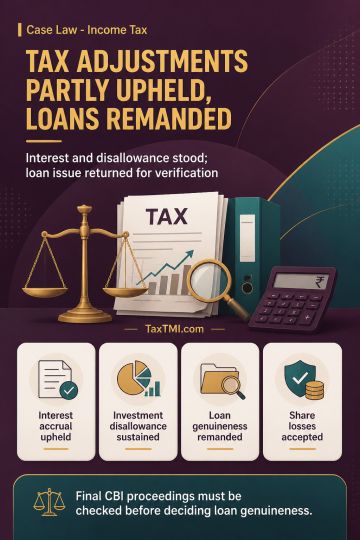
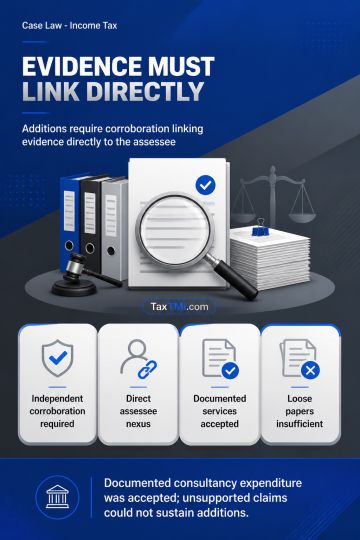
Pharmaceutical promotion and transfer-pricing comparability principles limited disallowances, while uncorroborated search allegations and unsupported ...
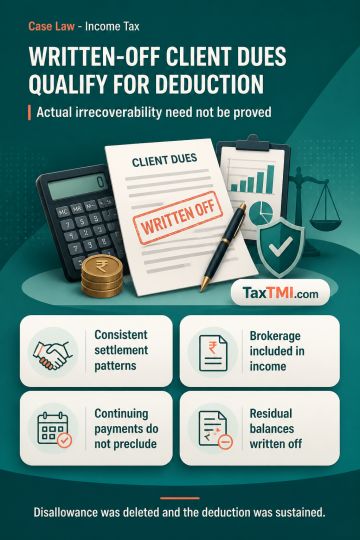
Business expenditure substantiation supports scrap credits, statutory payments and expense claims, while depreciation requires proof of actual busines...
HC held that transitional credit under CGST Act is not available for capital goods in transit as of the appointed date. While Section 140 of CGST Act allows carrying forward unutilized CENVAT credit for both inputs and capital goods, sub-section (5) specifically distinguishes between them. The CENVAT Credit Rules 2017, which superseded the 2004 Rules, provides no facility for claiming credit of excise duty on capital goods in transit. Following RSPL Limited precedent, the court affirmed that treating inputs and capital goods differently is constitutionally valid under Article 14, as they form distinct classes. The distinction in transitional provisions between inputs and capital goods was found lawful and justified. Application dismissed.
HC held that transitional credit under CGST Act is not available for capital goods in transit as of the appointed date. While Section 140 of CGST Act allows carrying forward unutilized CENVAT credit for both inputs and capital goods, sub-section (5) specifically distinguishes between them. The CENVAT Credit Rules 2017, which superseded the 2004 Rules, provides no facility for claiming credit of excise duty on capital goods in transit. Following RSPL Limited precedent, the court affirmed that treating inputs and capital goods differently is constitutionally valid under Article 14, as they form distinct classes. The distinction in transitional provisions between inputs and capital goods was found lawful and justified. Application dismissed.
Note: It is a system-generated summary and is for quick reference only.
 TaxTMI
 of 4805















 Join Channel


 TaxTMI