Windmill commissioning evidence supported higher depreciation where grid connection and electricity generation proved operational use before the relev...
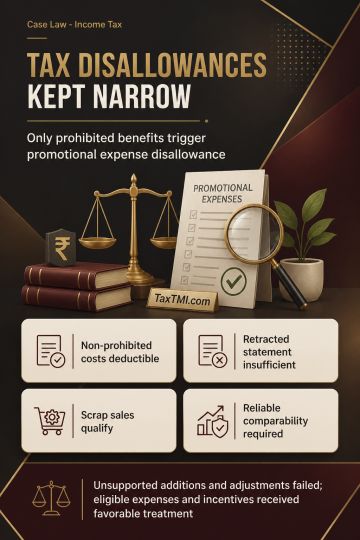
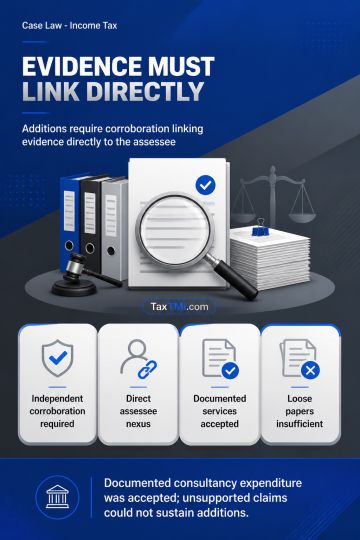
Pharmaceutical promotion and transfer-pricing comparability principles limited disallowances, while uncorroborated search allegations and unsupported ...
Business expenditure substantiation supports scrap credits, statutory payments and expense claims, while depreciation requires proof of actual busines...
DSC examined judicial remand application under Sec 167 CrPC and Sec 187 BNSS Act. While arrest grounds were properly documented with accused's acknowledgment, the court found procedural deficiencies. Despite prosecution's argument that Sec 69 CGST Act exempted compliance with Sec 41/41A CrPC requirements for arrests, the court relied on SC precedents (Arnesh Kumar and Gujarat State cases) mandating these safeguards for offenses punishable up to 7 years. The court ordered accused's release, finding arrest illegal due to non-compliance with Sec 41/41A CrPC and Sec 35 BNSS Act procedures. Prosecution retained liberty to re-arrest following proper procedures under relevant sections of CrPC, BNSS Act, and CGST Act.
DSC examined judicial remand application under Sec 167 CrPC and Sec 187 BNSS Act. While arrest grounds were properly documented with accused's acknowledgment, the court found procedural deficiencies. Despite prosecution's argument that Sec 69 CGST Act exempted compliance with Sec 41/41A CrPC requirements for arrests, the court relied on SC precedents (Arnesh Kumar and Gujarat State cases) mandating these safeguards for offenses punishable up to 7 years. The court ordered accused's release, finding arrest illegal due to non-compliance with Sec 41/41A CrPC and Sec 35 BNSS Act procedures. Prosecution retained liberty to re-arrest following proper procedures under relevant sections of CrPC, BNSS Act, and CGST Act.
Note: It is a system-generated summary and is for quick reference only.
 TaxTMI
 of 4803



















 Join Channel


 TaxTMI
