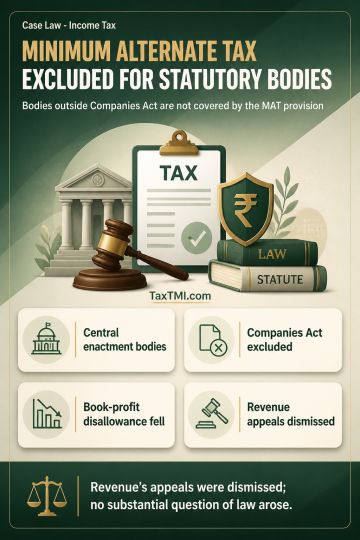
Works contract classification governs composite layout-development contracts where VAT-paid goods are transferred alongside construction and infrastru...
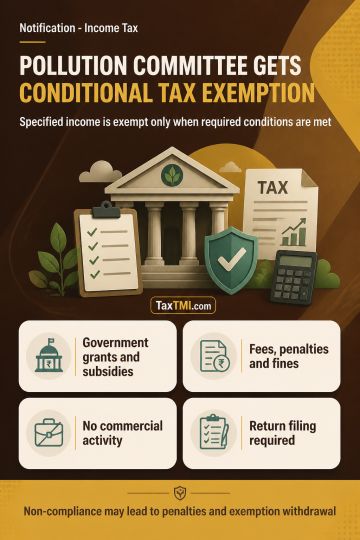
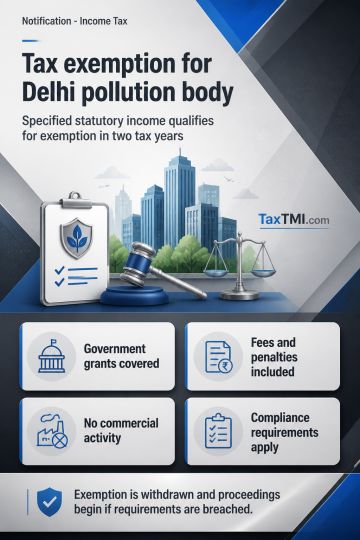
Specified income tax exemption for pollution control body remains conditional on non-commercial activity, unchanged income character, and return filin...
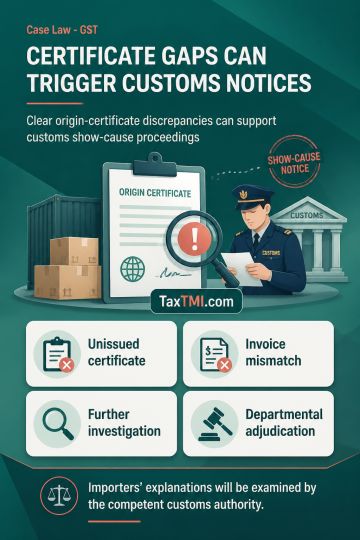
Jurisdictional facts in certificate-of-origin discrepancies can support customs show-cause proceedings, leaving factual explanations for departmental ...
Refund Claim: The appellant had inadvertently paid excess excise duty for the months of February and March 2013 while clearing goods from the factory to institutional buyers. Although new evidence is generally not permitted at the appellate stage, the Tribunal accepted the Chartered Accountant's statement and reconciliation sheet as these were department-prescribed documents for sanctioning refunds. The Tribunal observed that since the buyers had agreed to a pre-determined cum-duty price, the chances of passing on the excess excise duty were remote. Denying substantive benefits on technical grounds needs to be avoided. The Original Authority was directed to reconsider the refund claim after examining all documents submitted by the appellant.
Refund Claim: The appellant had inadvertently paid excess excise duty for the months of February and March 2013 while clearing goods from the factory to institutional buyers. Although new evidence is generally not permitted at the appellate stage, the Tribunal accepted the Chartered Accountant's statement and reconciliation sheet as these were department-prescribed documents for sanctioning refunds. The Tribunal observed that since the buyers had agreed to a pre-determined cum-duty price, the chances of passing on the excess excise duty were remote. Denying substantive benefits on technical grounds needs to be avoided. The Original Authority was directed to reconsider the refund claim after examining all documents submitted by the appellant.
Note: It is a system-generated summary and is for quick reference only.
 TaxTMI
 of 4792




 Join Channel


 TaxTMI