Interactive touchscreen panels with integrated computing functions fall under automatic data-processing machines rather than display monitors for cust...
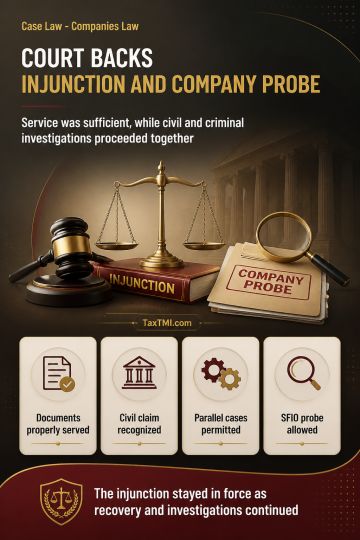
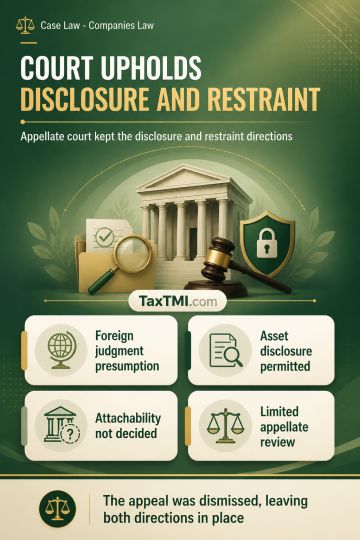
Ex parte injunction service requirements were substantially met, while civil recovery and SFIO investigation into provident fund defalcation continued...
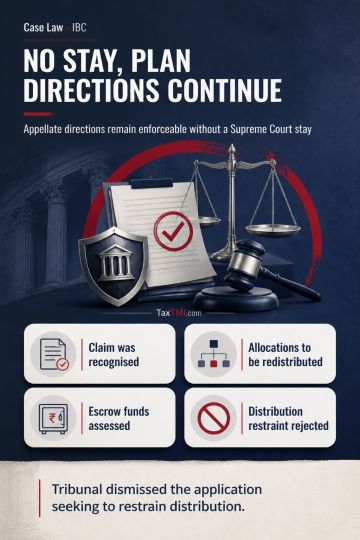
Enforcement of resolution-plan directions continues without a Supreme Court stay, preventing suspension of redistribution and escrowed-fund distributi...
Third-party ownership claims over attached property require Special Court adjudication where purchasers lack registered sale deeds and bona fides rema...
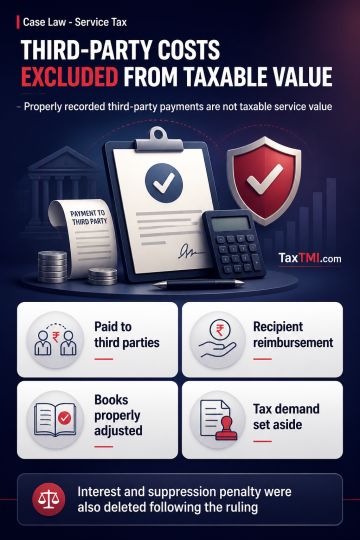
Pure-agent reimbursements in clearing and forwarding services are excluded from taxable value when qualifying third-party payments are properly record...
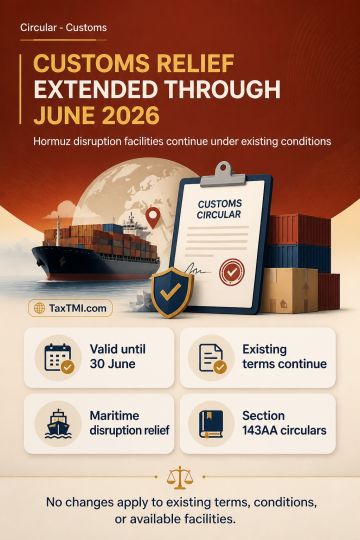
Customs relief for Strait of Hormuz maritime disruptions remains available, with existing conditions continuing unchanged through the extended validit...
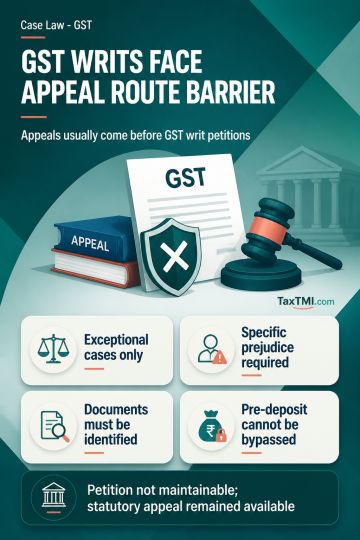
The High Court dismissed the petition challenging the requirement of pre-deposit of Rs. 10 crore for filing an appeal before the CESTAT u/s 35F of the Central Excise Act, 1944. The court held that it lacked discretion to grant a waiver or reduction in the pre-deposit amount, as it would be contrary to the legislative intent. The petitioner was directed to avail the alternative statutory remedy of filing an appeal before the CESTAT. The court observed that while considering a waiver, it must examine if the petitioner has a prima facie case likely to succeed, indicating no gross injustice, excessive demand contrary to facts, or perverse orders, coupled with blameless conduct. However, after examining the facts, the court found no merit to grant a waiver and dismissed the petition.
The High Court dismissed the petition challenging the requirement of pre-deposit of Rs. 10 crore for filing an appeal before the CESTAT u/s 35F of the Central Excise Act, 1944. The court held that it lacked discretion to grant a waiver or reduction in the pre-deposit amount, as it would be contrary to the legislative intent. The petitioner was directed to avail the alternative statutory remedy of filing an appeal before the CESTAT. The court observed that while considering a waiver, it must examine if the petitioner has a prima facie case likely to succeed, indicating no gross injustice, excessive demand contrary to facts, or perverse orders, coupled with blameless conduct. However, after examining the facts, the court found no merit to grant a waiver and dismissed the petition.
Note: It is a system-generated summary and is for quick reference only.
 TaxTMI
 of 4803







 Join Channel


 TaxTMI