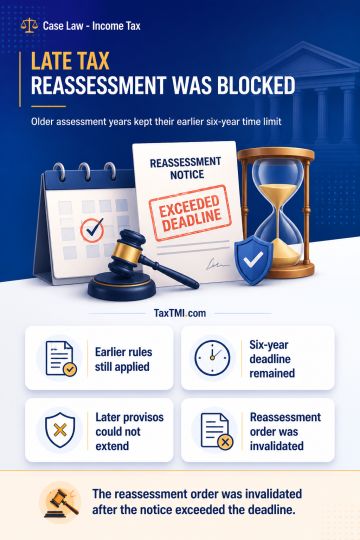
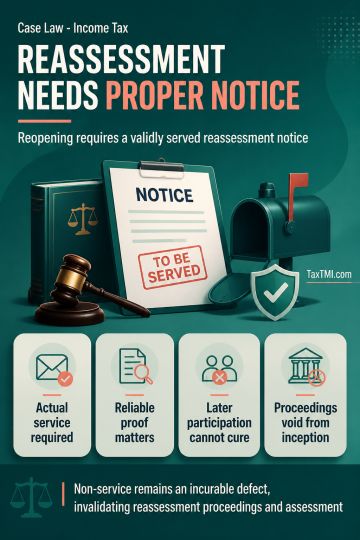
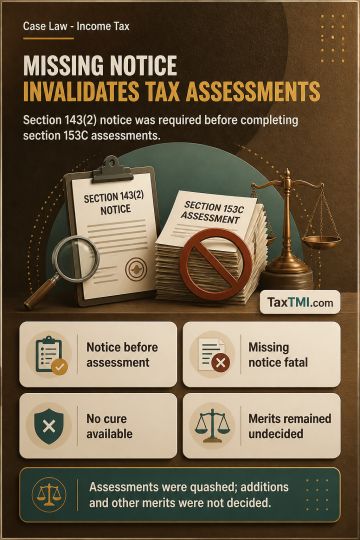
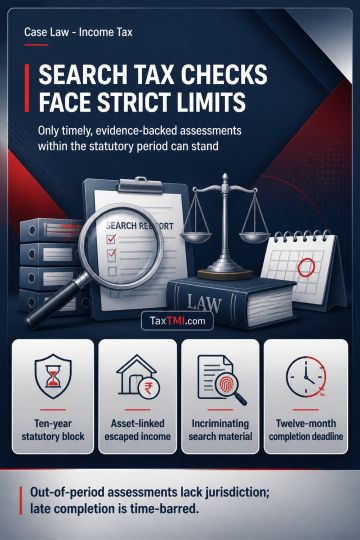
Pre-amendment reassessment limitation bars late notices under the preserved regime, invalidating consequential reassessment for affected earlier asses...
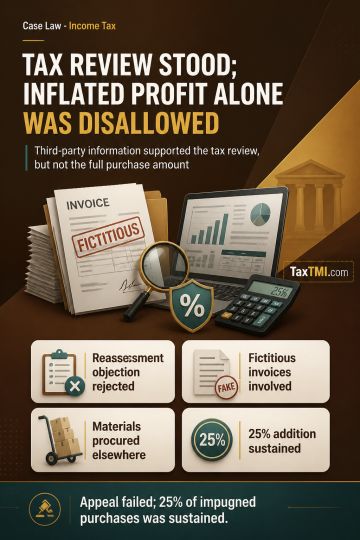
Cash-sales explanations for bank deposits require documentary reconciliation; reassessment notice survived where effective response time was available...
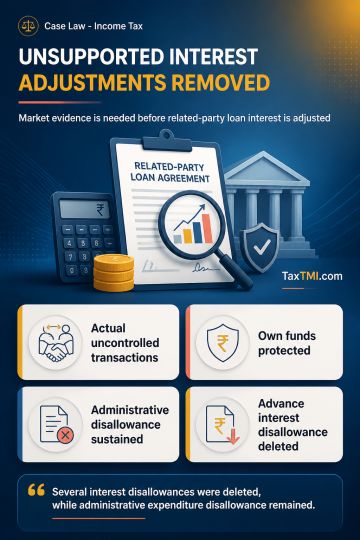
Functional comparability in transfer pricing prevents ad hoc arm's length adjustments where functions, assets, risks and reliable comparables are unes...
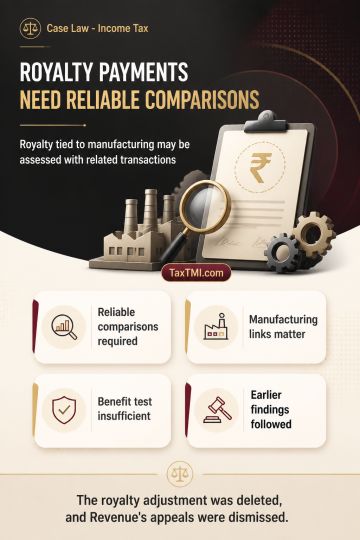
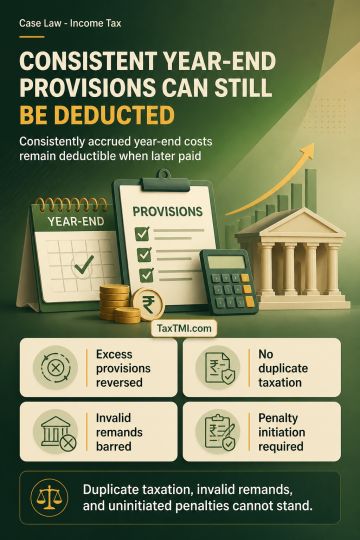
Contingency expenses, exempt-income disallowance, and royalty benchmarking: unsupported adjustments were deleted under consistent accounting and trans...
The NCLAT set aside the CIRP initiated by Respondent No. 2 against Respondent No. 1, holding it to be collusive and for purposes other than insolvency resolution. Respondent No. 3 was a director and shareholder in all three companies, controlling over 20% voting shares, thereby qualifying as a related party u/s 5(24)(m)(i) and (iii) of the IBC. The amount disbursed by Respondent No. 2 to Respondent No. 1, being related parties, does not qualify as financial debt per the Supreme Court's ruling in Phoenix ARC case. The NCLAT relied on Hytone Merchants case, which allowed setting aside CIRP if collusion is proved despite fulfilling Section 7 requirements. Respondent No. 3's presence across companies and lack of denial regarding allegations indicated collusion between Respondents No. 1 and 2.
The NCLAT set aside the CIRP initiated by Respondent No. 2 against Respondent No. 1, holding it to be collusive and for purposes other than insolvency resolution. Respondent No. 3 was a director and shareholder in all three companies, controlling over 20% voting shares, thereby qualifying as a related party u/s 5(24)(m)(i) and (iii) of the IBC. The amount disbursed by Respondent No. 2 to Respondent No. 1, being related parties, does not qualify as financial debt per the Supreme Court's ruling in Phoenix ARC case. The NCLAT relied on Hytone Merchants case, which allowed setting aside CIRP if collusion is proved despite fulfilling Section 7 requirements. Respondent No. 3's presence across companies and lack of denial regarding allegations indicated collusion between Respondents No. 1 and 2.
Note: It is a system-generated summary and is for quick reference only.
 TaxTMI
  TaxTMI
 of 4918