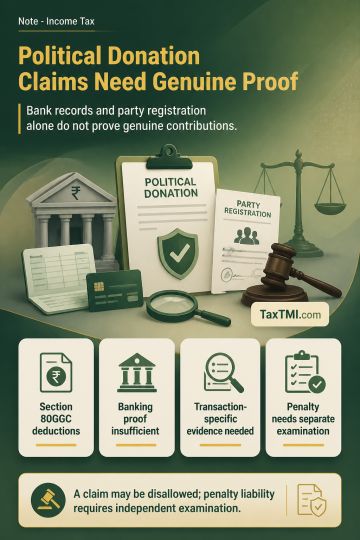
Political contribution deductions require genuine transactions; banking records and party registration alone cannot defeat evidence of accommodation e...
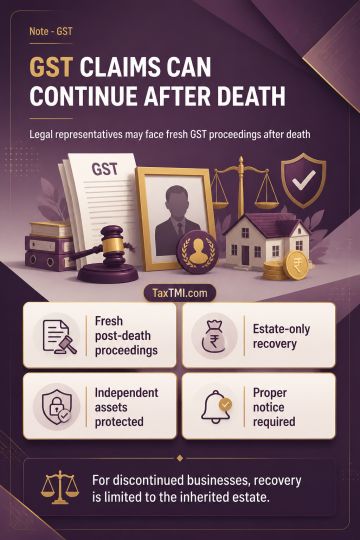
Post-death GST liability permits fresh proceedings against legal representatives, while discontinued-business recovery remains limited to the inherite...
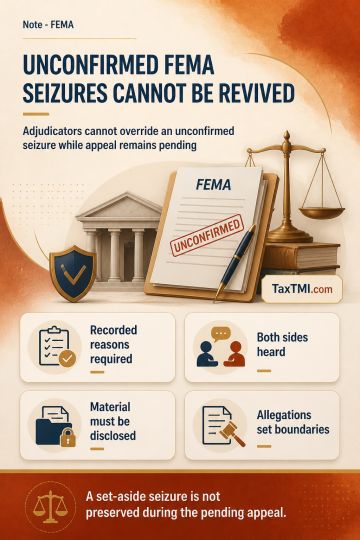
Non-confirmation of FEMA seizure prevents adjudicators from overriding pending appellate findings on recorded reasons and suspected foreign asset hold...
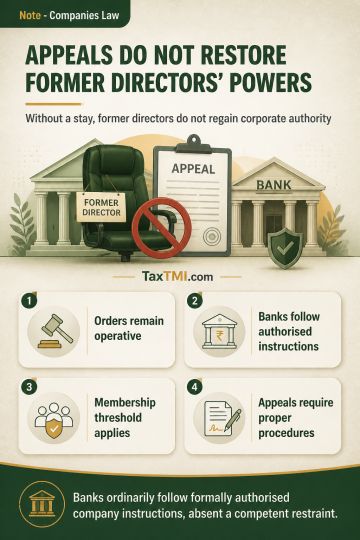
The NCLAT set aside the CIRP initiated by Respondent No. 2 against Respondent No. 1, holding it to be collusive and for purposes other than insolvency resolution. Respondent No. 3 was a director and shareholder in all three companies, controlling over 20% voting shares, thereby qualifying as a related party u/s 5(24)(m)(i) and (iii) of the IBC. The amount disbursed by Respondent No. 2 to Respondent No. 1, being related parties, does not qualify as financial debt per the Supreme Court's ruling in Phoenix ARC case. The NCLAT relied on Hytone Merchants case, which allowed setting aside CIRP if collusion is proved despite fulfilling Section 7 requirements. Respondent No. 3's presence across companies and lack of denial regarding allegations indicated collusion between Respondents No. 1 and 2.
The NCLAT set aside the CIRP initiated by Respondent No. 2 against Respondent No. 1, holding it to be collusive and for purposes other than insolvency resolution. Respondent No. 3 was a director and shareholder in all three companies, controlling over 20% voting shares, thereby qualifying as a related party u/s 5(24)(m)(i) and (iii) of the IBC. The amount disbursed by Respondent No. 2 to Respondent No. 1, being related parties, does not qualify as financial debt per the Supreme Court's ruling in Phoenix ARC case. The NCLAT relied on Hytone Merchants case, which allowed setting aside CIRP if collusion is proved despite fulfilling Section 7 requirements. Respondent No. 3's presence across companies and lack of denial regarding allegations indicated collusion between Respondents No. 1 and 2.
Note: It is a system-generated summary and is for quick reference only.
 TaxTMI
  TaxTMI