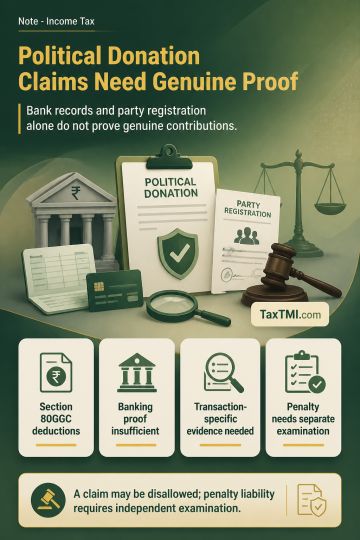
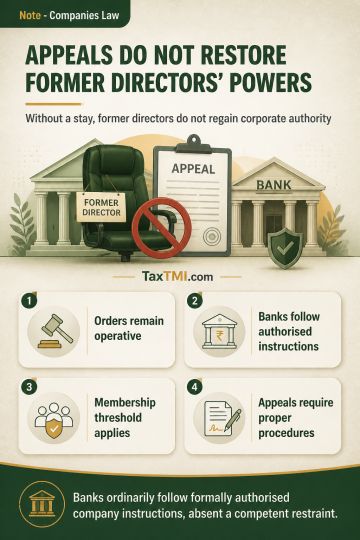
Political contribution deductions require genuine transactions; banking records and party registration alone cannot defeat evidence of accommodation e...
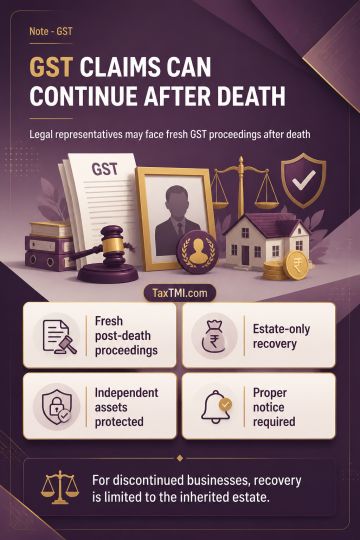
Post-death GST liability permits fresh proceedings against legal representatives, while discontinued-business recovery remains limited to the inherite...
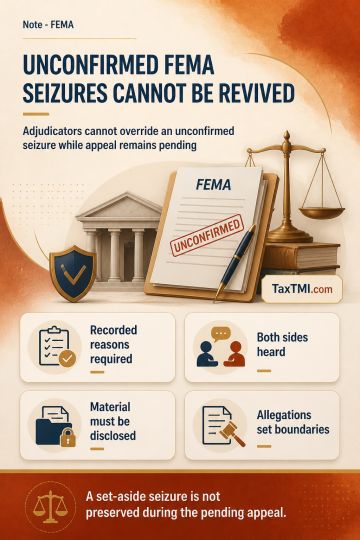
Non-confirmation of FEMA seizure prevents adjudicators from overriding pending appellate findings on recorded reasons and suspected foreign asset hold...
The case deals with the limitation period for initiating penalty proceedings u/s 271E of the Income Tax Act. It is well-established that the limitation period commences from the date of issuance of notice by the Assessing Officer, not from the subsequent notice by the Joint/Additional Commissioner. In this case, the Assessing Officer issued the penalty notice on 31/12/2010 along with the assessment order, while the Additional Commissioner issued another notice on 30/06/2011. The initial notice by the Assessing Officer remains valid and operative. Therefore, the imposition of penalty u/s 271E should have been done before 30/06/2011, not 31/12/2011. The CIT(Appeals), following judicial precedents and CBDT Circular, rightly deleted the penalty, and the Tribunal dismissed the Revenue's appeal, finding no merit.
The case deals with the limitation period for initiating penalty proceedings u/s 271E of the Income Tax Act. It is well-established that the limitation period commences from the date of issuance of notice by the Assessing Officer, not from the subsequent notice by the Joint/Additional Commissioner. In this case, the Assessing Officer issued the penalty notice on 31/12/2010 along with the assessment order, while the Additional Commissioner issued another notice on 30/06/2011. The initial notice by the Assessing Officer remains valid and operative. Therefore, the imposition of penalty u/s 271E should have been done before 30/06/2011, not 31/12/2011. The CIT(Appeals), following judicial precedents and CBDT Circular, rightly deleted the penalty, and the Tribunal dismissed the Revenue's appeal, finding no merit.
Note: It is a system-generated summary and is for quick reference only.
 TaxTMI
  TaxTMI