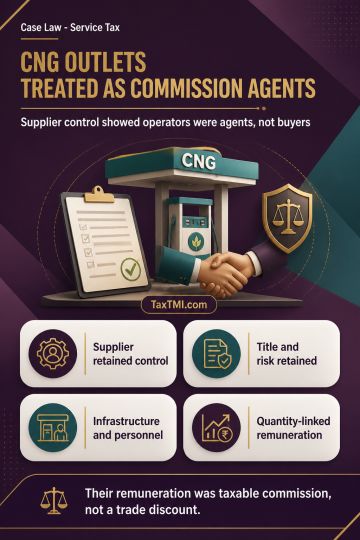
Agency in CNG distribution makes outlet operators commission agents, rendering taxable Business Auxiliary Service rather than purchasing goods for res...
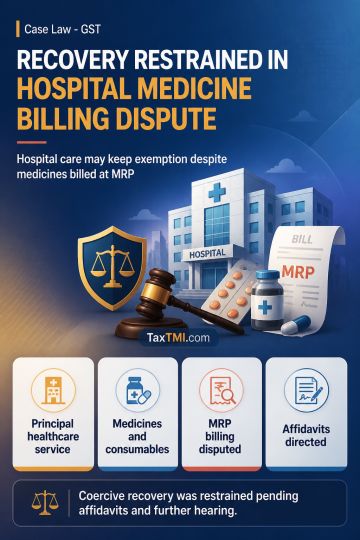
Composite inpatient healthcare supply may retain exemption despite MRP medicine billing, while separate taxable sale characterisation remains disputed...
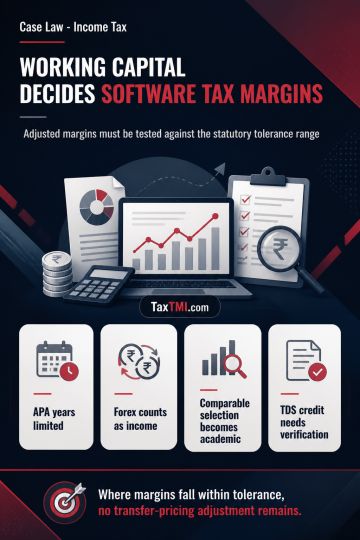
Working-capital adjustment determines whether software-services transfer-pricing margins fall within the statutory tolerance range, eliminating any ad...
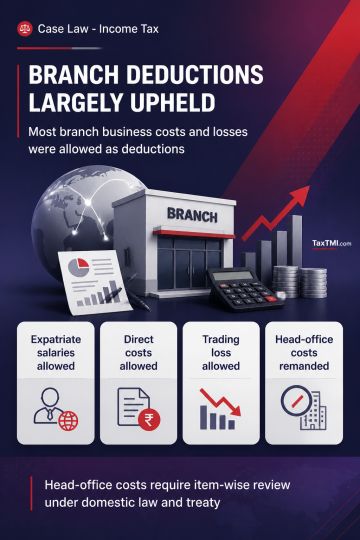
Permanent establishment deductions upheld for expatriate salaries, direct costs and trading losses, while head-office costs require fresh classificati...
The assessment order was passed without verifying the allowability of the cost of improvement as per Section 55(1)(b)(2), rendering it erroneous and prejudicial to Revenue's interests. The assessee's claim for cost of improvement, comprising interior work, kitchen appliances, plywood flooring, and tiles, is allowable u/s 55(1)(b)(2) as the expenses were capital in nature, enhancing the property's value. The assessee submitted a valuation report and bank statements as evidence, which the AO examined and accepted. The CIT emphasized the need for a more in-depth inquiry, citing Explanation 2 to Section 263, but Section 263 cannot be invoked merely because the inquiry was not conducted as per the CIT's preference. The AO conducted adequate inquiries, and his acceptance of the cost of improvement was a plausible view. The revisionary proceedings u/s 263 were unjustified as the AO's order was neither erroneous nor prejudicial to Revenue's interests. Consequently, the revisionary order passed by the CIT u/s 263 is quashed, and the assessee's appeal is allowed.
The assessment order was passed without verifying the allowability of the cost of improvement as per Section 55(1)(b)(2), rendering it erroneous and prejudicial to Revenue's interests. The assessee's claim for cost of improvement, comprising interior work, kitchen appliances, plywood flooring, and tiles, is allowable u/s 55(1)(b)(2) as the expenses were capital in nature, enhancing the property's value. The assessee submitted a valuation report and bank statements as evidence, which the AO examined and accepted. The CIT emphasized the need for a more in-depth inquiry, citing Explanation 2 to Section 263, but Section 263 cannot be invoked merely because the inquiry was not conducted as per the CIT's preference. The AO conducted adequate inquiries, and his acceptance of the cost of improvement was a plausible view. The revisionary proceedings u/s 263 were unjustified as the AO's order was neither erroneous nor prejudicial to Revenue's interests. Consequently, the revisionary order passed by the CIT u/s 263 is quashed, and the assessee's appeal is allowed.
Note: It is a system-generated summary and is for quick reference only.
 TaxTMI
 of 4786







 Join Channel


 TaxTMI
