Origin Declaration authentication governs preferential tariff claims under India-UK CETA, requiring a validated reference number before import clearan...
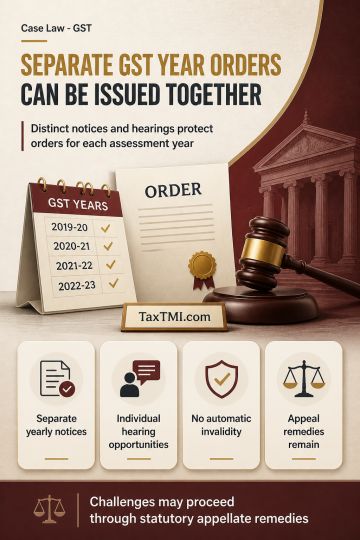
Separate assessment orders for different years remain valid when distinct notices and hearing opportunities prevent prejudice from combined proceeding...
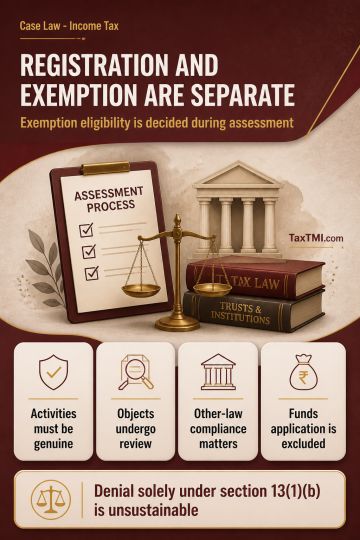
Defined public benefit can retain charitable character; registration renewal requires examining genuine activities and legal compliance, not surplus a...
Capital reduction is distinct from share buy-back, preventing buy-back tax; restructuring interest and related business deductions also survive scruti...
The Court held that the petitioner was ready and willing to perform the contract u/s 16(c) of the Specific Relief Act, having paid a substantial portion of the consideration. It was a fit case for directing specific performance u/ss 10 and 16, as compensation in money would not afford adequate relief for breach of contract to transfer immovable property. The doctrine of lis pendens u/s 52 of the Transfer of Property Act bars transfer of suit property during pendency of litigation, except under court's authority. Pendency commences from the date of institution until disposal, and the doctrine applies to third-party purchasers once the suit is instituted. The Court recalled its earlier judgment due to errors apparent on the face of record regarding limitation and specific performance, and restored the High Court's judgment, allowing the review petitions.
The Court held that the petitioner was ready and willing to perform the contract u/s 16(c) of the Specific Relief Act, having paid a substantial portion of the consideration. It was a fit case for directing specific performance u/ss 10 and 16, as compensation in money would not afford adequate relief for breach of contract to transfer immovable property. The doctrine of lis pendens u/s 52 of the Transfer of Property Act bars transfer of suit property during pendency of litigation, except under court's authority. Pendency commences from the date of institution until disposal, and the doctrine applies to third-party purchasers once the suit is instituted. The Court recalled its earlier judgment due to errors apparent on the face of record regarding limitation and specific performance, and restored the High Court's judgment, allowing the review petitions.
Note: It is a system-generated summary and is for quick reference only.
 TaxTMI
 of 4803












 Join Channel


 TaxTMI
