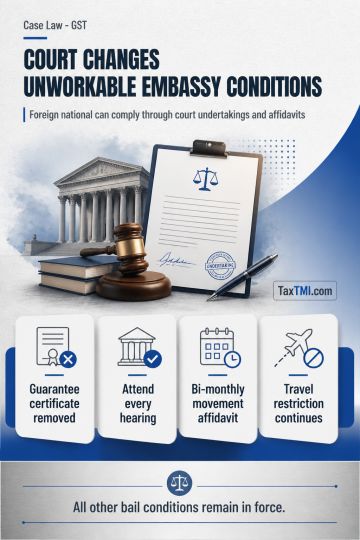
Arrest safeguards and transit remand requirements invalidated detention following inter-State transfer without communicated grounds or magistrate auth...
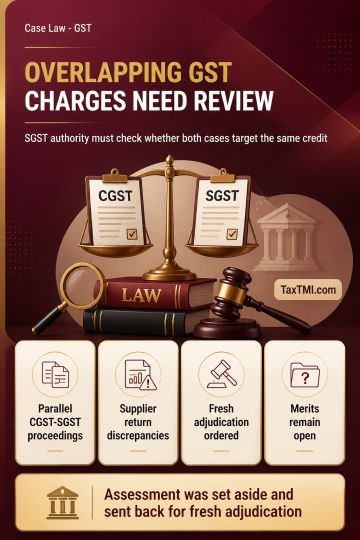
Arrest safeguards require disclosed grounds, relative intimation and transit remand, while duplicate prosecution under the CGST framework is unsustain...
Document Identification Number defects can invalidate GST assessments, with delayed challenges entertained conditionally where patent irregularities e...
Windmill commissioning evidence supported higher depreciation where grid connection and electricity generation proved operational use before the relev...
The Court held that the petitioner was ready and willing to perform the contract u/s 16(c) of the Specific Relief Act, having paid a substantial portion of the consideration. It was a fit case for directing specific performance u/ss 10 and 16, as compensation in money would not afford adequate relief for breach of contract to transfer immovable property. The doctrine of lis pendens u/s 52 of the Transfer of Property Act bars transfer of suit property during pendency of litigation, except under court's authority. Pendency commences from the date of institution until disposal, and the doctrine applies to third-party purchasers once the suit is instituted. The Court recalled its earlier judgment due to errors apparent on the face of record regarding limitation and specific performance, and restored the High Court's judgment, allowing the review petitions.
The Court held that the petitioner was ready and willing to perform the contract u/s 16(c) of the Specific Relief Act, having paid a substantial portion of the consideration. It was a fit case for directing specific performance u/ss 10 and 16, as compensation in money would not afford adequate relief for breach of contract to transfer immovable property. The doctrine of lis pendens u/s 52 of the Transfer of Property Act bars transfer of suit property during pendency of litigation, except under court's authority. Pendency commences from the date of institution until disposal, and the doctrine applies to third-party purchasers once the suit is instituted. The Court recalled its earlier judgment due to errors apparent on the face of record regarding limitation and specific performance, and restored the High Court's judgment, allowing the review petitions.
Note: It is a system-generated summary and is for quick reference only.
 TaxTMI
 of 4800
















 Join Channel


 TaxTMI
