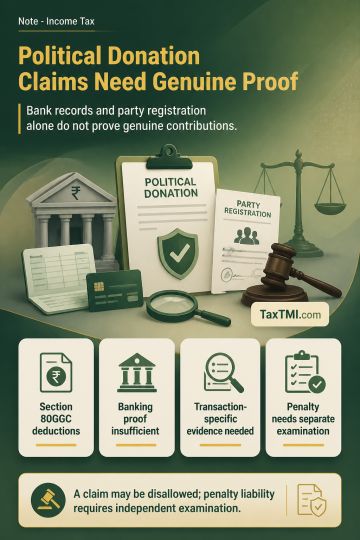
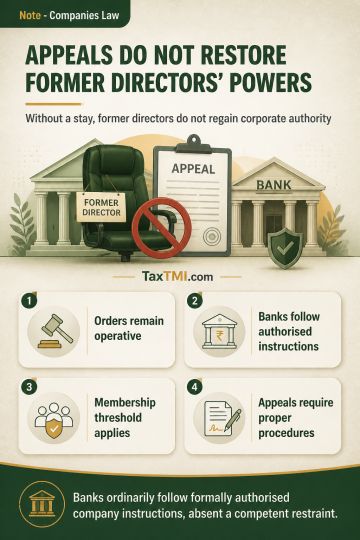
Political contribution deductions require genuine transactions; banking records and party registration alone cannot defeat evidence of accommodation e...
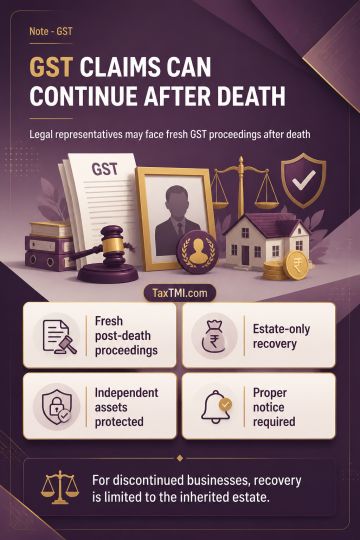
Post-death GST liability permits fresh proceedings against legal representatives, while discontinued-business recovery remains limited to the inherite...
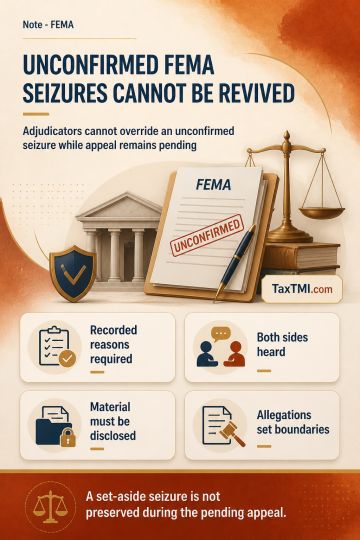
Non-confirmation of FEMA seizure prevents adjudicators from overriding pending appellate findings on recorded reasons and suspected foreign asset hold...
The High Court analyzed the distinction between ministerial and adjudicatory functions in the context of filing a petition u/s 95 of the Insolvency and Bankruptcy Code, 2016. The court held that the Registrar of NCLT, while receiving and registering the petition, performs a ministerial function and does not have the authority to adjudicate on the maintainability or merits of the petition. The adjudicatory stage commences after the resolution professional submits a report to the NCLT. The court clarified that the automatic moratorium resulting from filing a Section 95 petition does not amount to abuse of process. The Registrar cannot reject the petition by examining its maintainability, as such adjudication falls within the domain of the NCLT at the appropriate stage. The High Court set aside the Single Judge's order allowing the writ petition.
The High Court analyzed the distinction between ministerial and adjudicatory functions in the context of filing a petition u/s 95 of the Insolvency and Bankruptcy Code, 2016. The court held that the Registrar of NCLT, while receiving and registering the petition, performs a ministerial function and does not have the authority to adjudicate on the maintainability or merits of the petition. The adjudicatory stage commences after the resolution professional submits a report to the NCLT. The court clarified that the automatic moratorium resulting from filing a Section 95 petition does not amount to abuse of process. The Registrar cannot reject the petition by examining its maintainability, as such adjudication falls within the domain of the NCLT at the appropriate stage. The High Court set aside the Single Judge's order allowing the writ petition.
Note: It is a system-generated summary and is for quick reference only.
 TaxTMI
  TaxTMI