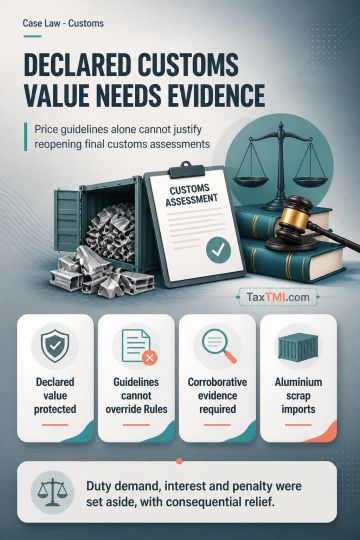
Transaction value cannot be rejected solely on non-statutory valuation guidelines without corroborative evidence supporting reassessment of final cust...
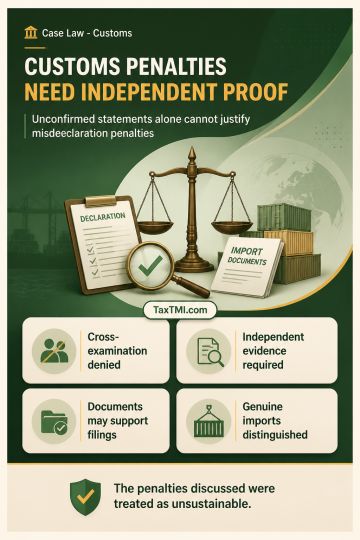
Cross-examination rights and corroborated evidence limit customs penalties for misdeclaration in genuine import transactions involving documented clea...
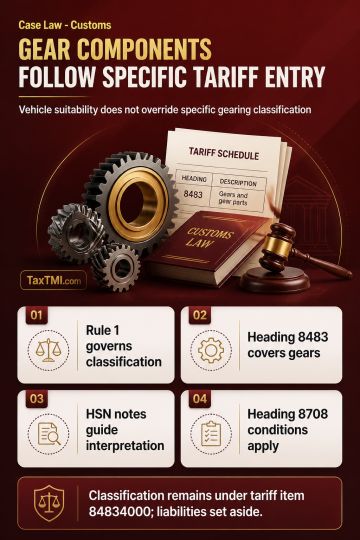
Tariff classification of vehicle gear components follows the specific gearing entry, displacing motor-vehicle parts classification and related liabili...
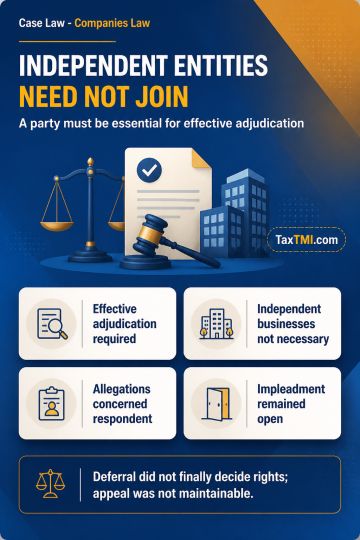
Necessary-party requirements limit impleadment of independent entities, while deferred consideration does not create an appealable adverse determinati...
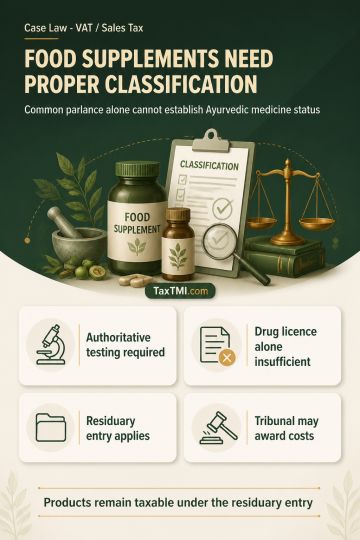
Food supplement classification requires common parlance and authoritative tests, preventing treatment as proprietary Ayurvedic medicines without suppo...
The appellants imported 251.300 MTs of re-rollable scrap on a high sea sales basis and classified it under CTH 7214 1090 as re-rollable scrap. However, the Department treated it as defectives and seconds, denying the benefit of Customs Notification No. 12/2012-Cus. The Tribunal held that seconds and defective steel products refer to non-standard dimensions or downgraded products with surface defects and internal faults. If the imported cargo is meant for sale as defective or second goods, the notification benefit can be denied. Since there was no allegation or finding that the appellants disposed of the cargo as such, and considering they are manufacturers regularly importing scrap for melting and re-rolling, the imported cargo cannot be treated as seconds and defectives. Therefore, the appellants are eligible for the concessional rate of duty under Notification No. 12/2012-Cus. at Sl.No. 330.
The appellants imported 251.300 MTs of re-rollable scrap on a high sea sales basis and classified it under CTH 7214 1090 as re-rollable scrap. However, the Department treated it as defectives and seconds, denying the benefit of Customs Notification No. 12/2012-Cus. The Tribunal held that seconds and defective steel products refer to non-standard dimensions or downgraded products with surface defects and internal faults. If the imported cargo is meant for sale as defective or second goods, the notification benefit can be denied. Since there was no allegation or finding that the appellants disposed of the cargo as such, and considering they are manufacturers regularly importing scrap for melting and re-rolling, the imported cargo cannot be treated as seconds and defectives. Therefore, the appellants are eligible for the concessional rate of duty under Notification No. 12/2012-Cus. at Sl.No. 330.
Note: It is a system-generated summary and is for quick reference only.
 TaxTMI
 of 4801



 Join Channel


 TaxTMI
