Origin Declaration authentication governs preferential tariff claims under India-UK CETA, requiring a validated reference number before import clearan...
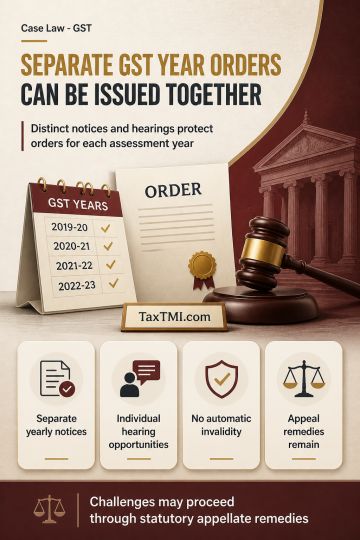
Separate assessment orders for different years remain valid when distinct notices and hearing opportunities prevent prejudice from combined proceeding...
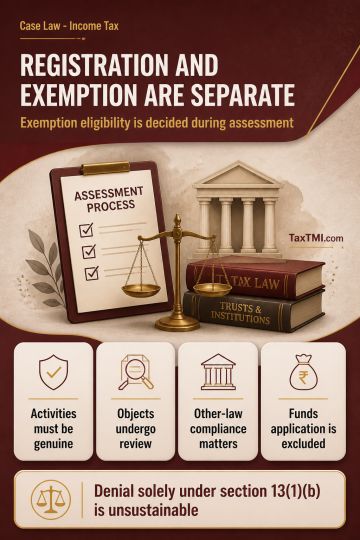
Defined public benefit can retain charitable character; registration renewal requires examining genuine activities and legal compliance, not surplus a...
Capital reduction is distinct from share buy-back, preventing buy-back tax; restructuring interest and related business deductions also survive scruti...
Validity of a complaint filed u/s 138 of the Negotiable Instruments Act through a Power of Attorney. The court held that it can quash complaints at the pre-trial stage u/s 482 of CrPC if unimpeachable material indicates the accused was not involved or no offense is made out. However, following the Supreme Court's ruling in Rathish Babu Unnikrishnan v. State, the court must examine whether the factual defense disproves the entire allegations. The complaint mentioned the authorized representative had personal knowledge and competence to file the case. While the petitioner raised questions about the attorney's capability, the extent of knowledge, and the validity of the compromise deed, these issues did not disprove the allegations and can be determined during trial after evidence is led. The court dismissed the petition, finding that the petitioner raised questions of fact and law better left for adjudication at the trial stage.
Validity of a complaint filed u/s 138 of the Negotiable Instruments Act through a Power of Attorney. The court held that it can quash complaints at the pre-trial stage u/s 482 of CrPC if unimpeachable material indicates the accused was not involved or no offense is made out. However, following the Supreme Court's ruling in Rathish Babu Unnikrishnan v. State, the court must examine whether the factual defense disproves the entire allegations. The complaint mentioned the authorized representative had personal knowledge and competence to file the case. While the petitioner raised questions about the attorney's capability, the extent of knowledge, and the validity of the compromise deed, these issues did not disprove the allegations and can be determined during trial after evidence is led. The court dismissed the petition, finding that the petitioner raised questions of fact and law better left for adjudication at the trial stage.
Note: It is a system-generated summary and is for quick reference only.
 TaxTMI
 of 4803
















 Join Channel


 TaxTMI
