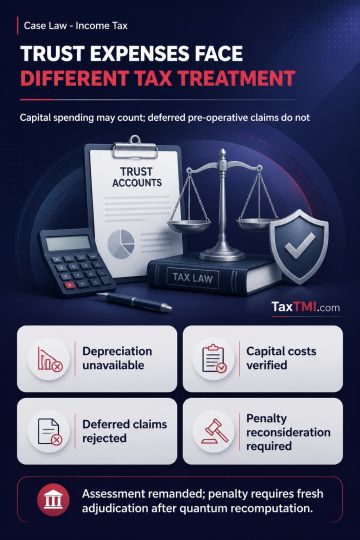
Charitable trust income application permits verified capital expenditure but rejects deferred pre-operative claims and requires reconsideration of con...
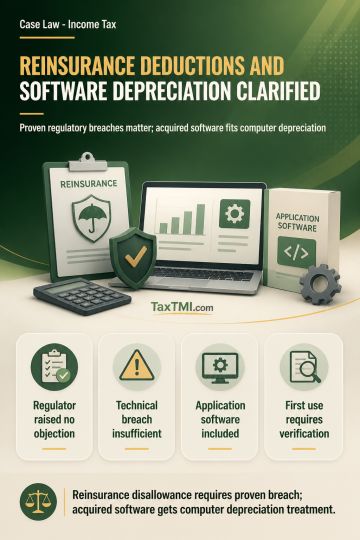
Reinsurance premium deductions require established regulatory breaches, while independently acquired software qualifies within the computer depreciati...
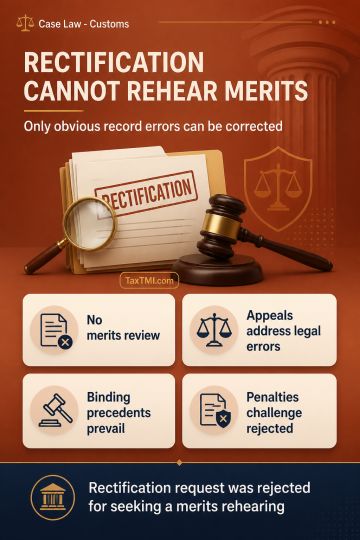
Rectification of mistake remains limited to self-evident record errors, preventing merits review through miscellaneous applications and preserving fin...
Tender creditworthiness conditions may extend to de facto Promoter Directors, with post-participation challenges generally barred absent arbitrariness...
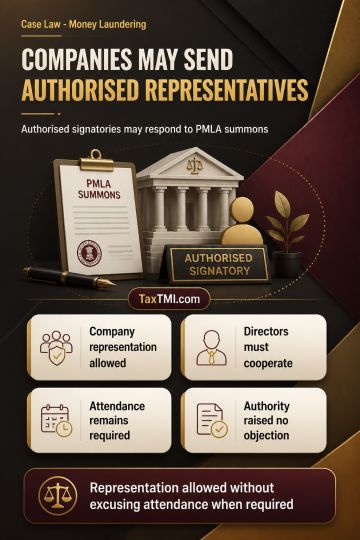
Corporate representation in PMLA summons proceedings permitted through an authorised signatory, subject to directors' continuing cooperation and atten...
Validity of a complaint filed u/s 138 of the Negotiable Instruments Act through a Power of Attorney. The court held that it can quash complaints at the pre-trial stage u/s 482 of CrPC if unimpeachable material indicates the accused was not involved or no offense is made out. However, following the Supreme Court's ruling in Rathish Babu Unnikrishnan v. State, the court must examine whether the factual defense disproves the entire allegations. The complaint mentioned the authorized representative had personal knowledge and competence to file the case. While the petitioner raised questions about the attorney's capability, the extent of knowledge, and the validity of the compromise deed, these issues did not disprove the allegations and can be determined during trial after evidence is led. The court dismissed the petition, finding that the petitioner raised questions of fact and law better left for adjudication at the trial stage.
Validity of a complaint filed u/s 138 of the Negotiable Instruments Act through a Power of Attorney. The court held that it can quash complaints at the pre-trial stage u/s 482 of CrPC if unimpeachable material indicates the accused was not involved or no offense is made out. However, following the Supreme Court's ruling in Rathish Babu Unnikrishnan v. State, the court must examine whether the factual defense disproves the entire allegations. The complaint mentioned the authorized representative had personal knowledge and competence to file the case. While the petitioner raised questions about the attorney's capability, the extent of knowledge, and the validity of the compromise deed, these issues did not disprove the allegations and can be determined during trial after evidence is led. The court dismissed the petition, finding that the petitioner raised questions of fact and law better left for adjudication at the trial stage.
Note: It is a system-generated summary and is for quick reference only.
 TaxTMI
 of 4800










 Join Channel


 TaxTMI
