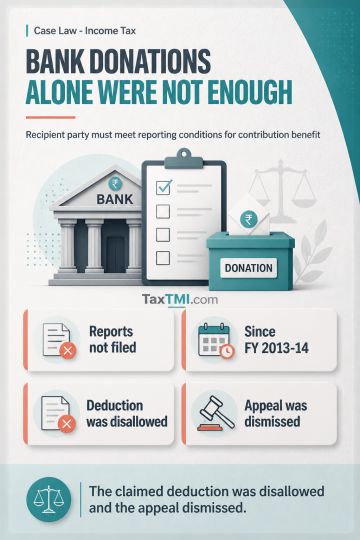
Political contribution deductions require recipient party compliance with contribution-reporting conditions; banking-channel donations alone do not qu...
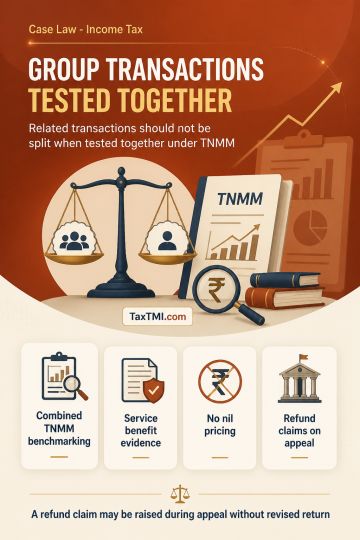
Aggregation under TNMM prevents selective testing of intra-group services without comparable uncontrolled transactions, while appellate additional cla...
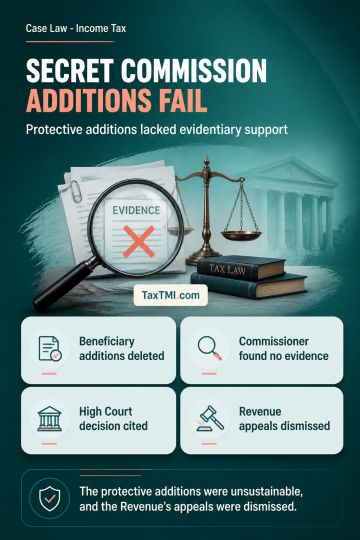
Protective assessment cannot duplicate identical receipts under competing characterisations; remote services did not establish a taxable permanent est...
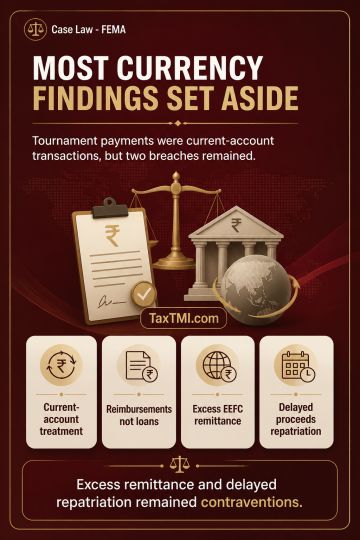
Current account treatment of overseas tournament services removed most FEMA findings, but excess EEFC remittance and delayed repatriation remained bre...
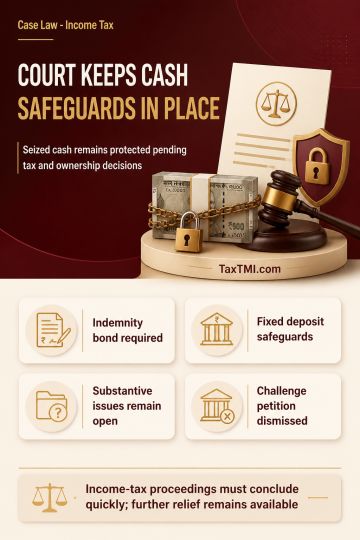
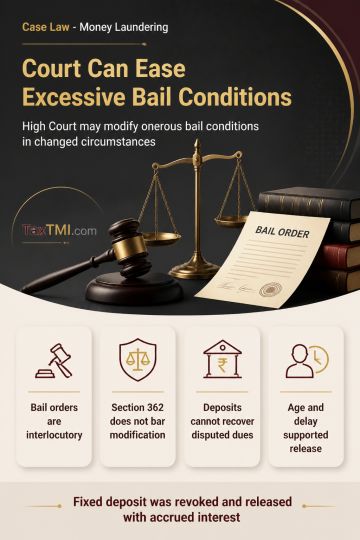
Modification of bail conditions remains available through inherent jurisdiction where onerous deposits undermine justice and cannot recover disputed d...
Validity of a complaint filed u/s 138 of the Negotiable Instruments Act through a Power of Attorney. The court held that it can quash complaints at the pre-trial stage u/s 482 of CrPC if unimpeachable material indicates the accused was not involved or no offense is made out. However, following the Supreme Court's ruling in Rathish Babu Unnikrishnan v. State, the court must examine whether the factual defense disproves the entire allegations. The complaint mentioned the authorized representative had personal knowledge and competence to file the case. While the petitioner raised questions about the attorney's capability, the extent of knowledge, and the validity of the compromise deed, these issues did not disprove the allegations and can be determined during trial after evidence is led. The court dismissed the petition, finding that the petitioner raised questions of fact and law better left for adjudication at the trial stage.
Validity of a complaint filed u/s 138 of the Negotiable Instruments Act through a Power of Attorney. The court held that it can quash complaints at the pre-trial stage u/s 482 of CrPC if unimpeachable material indicates the accused was not involved or no offense is made out. However, following the Supreme Court's ruling in Rathish Babu Unnikrishnan v. State, the court must examine whether the factual defense disproves the entire allegations. The complaint mentioned the authorized representative had personal knowledge and competence to file the case. While the petitioner raised questions about the attorney's capability, the extent of knowledge, and the validity of the compromise deed, these issues did not disprove the allegations and can be determined during trial after evidence is led. The court dismissed the petition, finding that the petitioner raised questions of fact and law better left for adjudication at the trial stage.
Note: It is a system-generated summary and is for quick reference only.
 TaxTMI
 of 4796











 Join Channel


 TaxTMI
