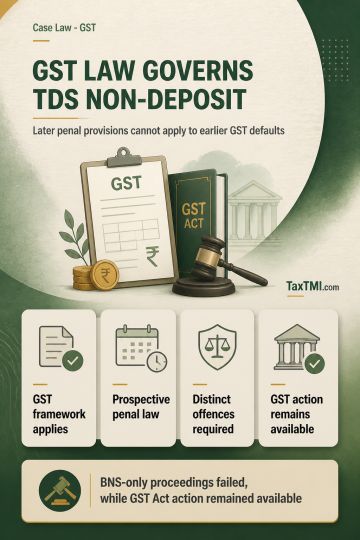
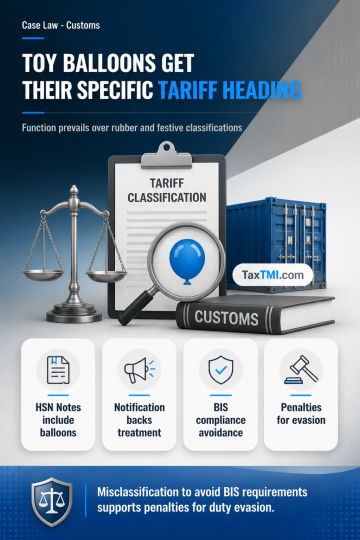
Toy balloon tariff classification: functional heading prevails over residual rubber and festive article headings, supporting penalties for deliberate ...
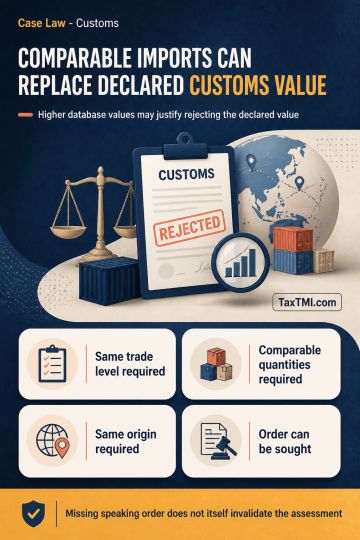
Customs valuation using comparable contemporaneous imports can displace declared value, while missing speaking orders require pursuit before competent...
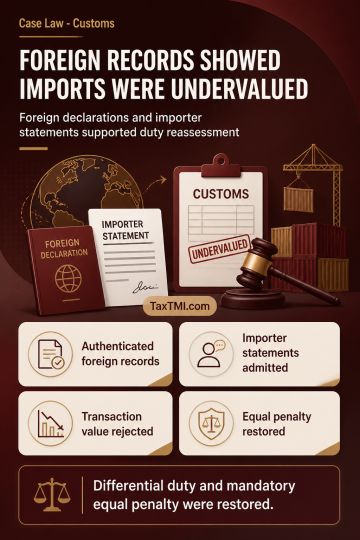
Foreign customs declarations and importer admissions established undervaluation, supporting sequential value redetermination, differential duty, and m...
Customs seizure safeguards prevent detention-based limitation avoidance and invalidate provisional release conditions for imported vehicles under an i...
The High Court held that the Income Tax Department cannot demand TDS amounts from employees when such amounts have been deducted from their salaries by the employer but not deposited with the government. Section 205 of the Income Tax Act bars raising demand against assessees to the extent tax has been deducted from their income. The object is that when the obligation to deposit tax lies with the employer, the liability cannot be shifted to the employee who is the beneficiary of the payment. Issuing demand notices against the employees for the TDS amounts not deposited by the employer is impermissible and violates Section 205. The writ petition was allowed.
The High Court held that the Income Tax Department cannot demand TDS amounts from employees when such amounts have been deducted from their salaries by the employer but not deposited with the government. Section 205 of the Income Tax Act bars raising demand against assessees to the extent tax has been deducted from their income. The object is that when the obligation to deposit tax lies with the employer, the liability cannot be shifted to the employee who is the beneficiary of the payment. Issuing demand notices against the employees for the TDS amounts not deposited by the employer is impermissible and violates Section 205. The writ petition was allowed.
Note: It is a system-generated summary and is for quick reference only.
 TaxTMI
  TaxTMI
 of 4817







 Join Channel