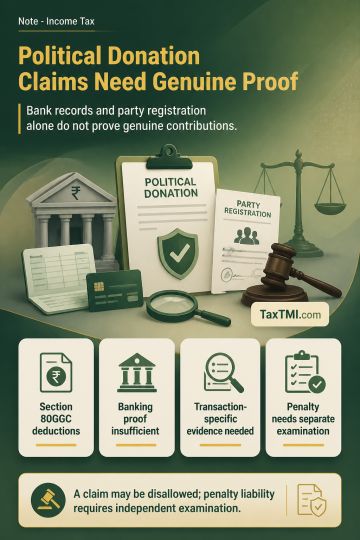
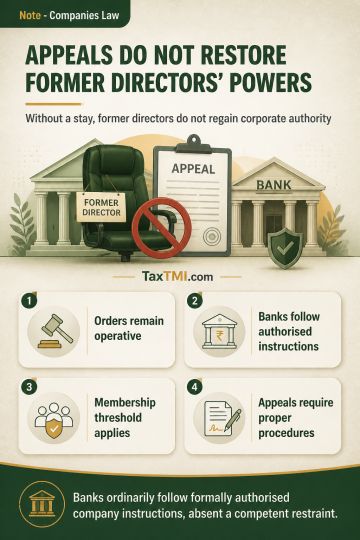
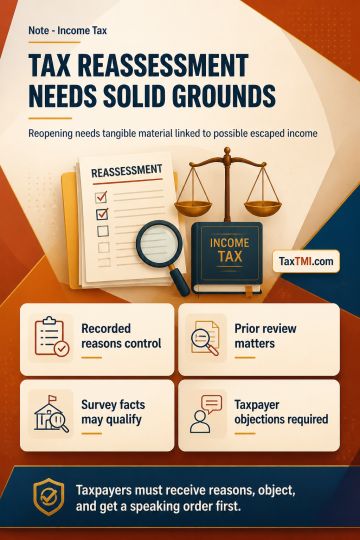
Political contribution deductions require genuine transactions; banking records and party registration alone cannot defeat evidence of accommodation e...
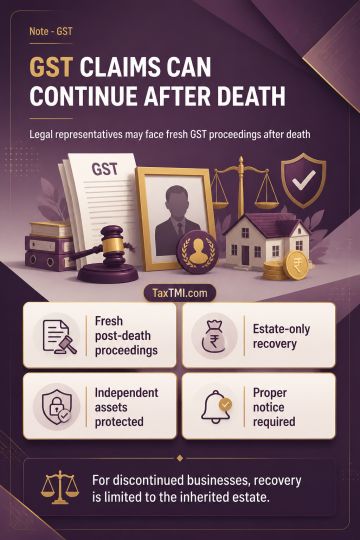
Post-death GST liability permits fresh proceedings against legal representatives, while discontinued-business recovery remains limited to the inherite...
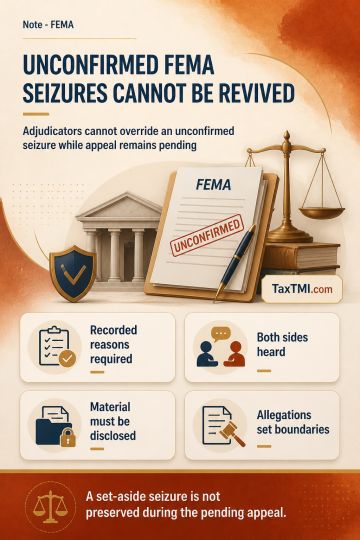
Non-confirmation of FEMA seizure prevents adjudicators from overriding pending appellate findings on recorded reasons and suspected foreign asset hold...
The High Court held that the Income Tax Department cannot demand TDS amounts from employees when such amounts have been deducted from their salaries by the employer but not deposited with the government. Section 205 of the Income Tax Act bars raising demand against assessees to the extent tax has been deducted from their income. The object is that when the obligation to deposit tax lies with the employer, the liability cannot be shifted to the employee who is the beneficiary of the payment. Issuing demand notices against the employees for the TDS amounts not deposited by the employer is impermissible and violates Section 205. The writ petition was allowed.
The High Court held that the Income Tax Department cannot demand TDS amounts from employees when such amounts have been deducted from their salaries by the employer but not deposited with the government. Section 205 of the Income Tax Act bars raising demand against assessees to the extent tax has been deducted from their income. The object is that when the obligation to deposit tax lies with the employer, the liability cannot be shifted to the employee who is the beneficiary of the payment. Issuing demand notices against the employees for the TDS amounts not deposited by the employer is impermissible and violates Section 205. The writ petition was allowed.
Note: It is a system-generated summary and is for quick reference only.
 TaxTMI
  TaxTMI