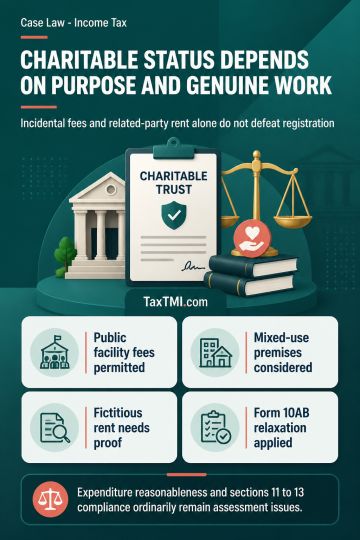
Charitable registration turns on predominant purpose and genuine activities, while incidental fees and related-party rent require supporting adverse m...
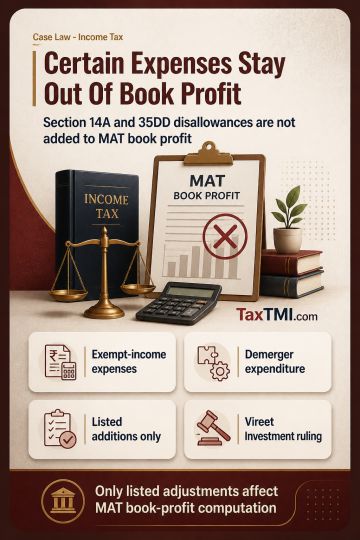
MAT book-profit adjustments exclude disallowances for exempt-income expenditure and demerger expenditure unless expressly listed under the statutory c...
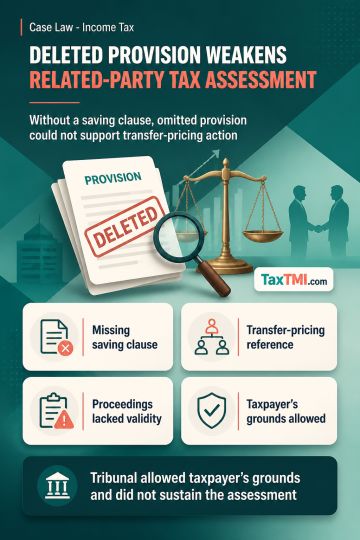
Omitted specified domestic transaction provision invalidates related-party expenditure transfer-pricing references and assessments based on consequent...
The High Court held that the Income Tax Department cannot demand TDS amounts from employees when such amounts have been deducted from their salaries by the employer but not deposited with the government. Section 205 of the Income Tax Act bars raising demand against assessees to the extent tax has been deducted from their income. The object is that when the obligation to deposit tax lies with the employer, the liability cannot be shifted to the employee who is the beneficiary of the payment. Issuing demand notices against the employees for the TDS amounts not deposited by the employer is impermissible and violates Section 205. The writ petition was allowed.
The High Court held that the Income Tax Department cannot demand TDS amounts from employees when such amounts have been deducted from their salaries by the employer but not deposited with the government. Section 205 of the Income Tax Act bars raising demand against assessees to the extent tax has been deducted from their income. The object is that when the obligation to deposit tax lies with the employer, the liability cannot be shifted to the employee who is the beneficiary of the payment. Issuing demand notices against the employees for the TDS amounts not deposited by the employer is impermissible and violates Section 205. The writ petition was allowed.
Note: It is a system-generated summary and is for quick reference only.
 TaxTMI
  TaxTMI
 of 4824





 Join Channel