Intermediary service classification fails where overseas admission facilitation is supplied independently, preserving export treatment and small-provi...
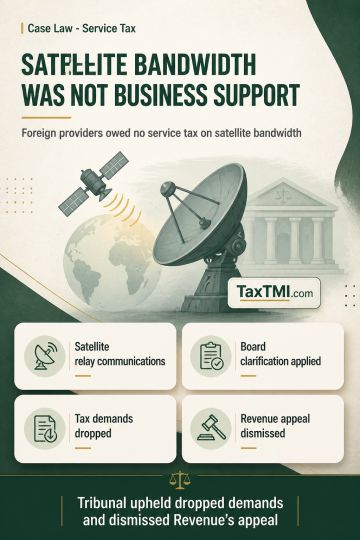
Satellite transponder bandwidth is telecommunication, not Business Support Service; foreign non-telegraph providers triggered no service tax liability...
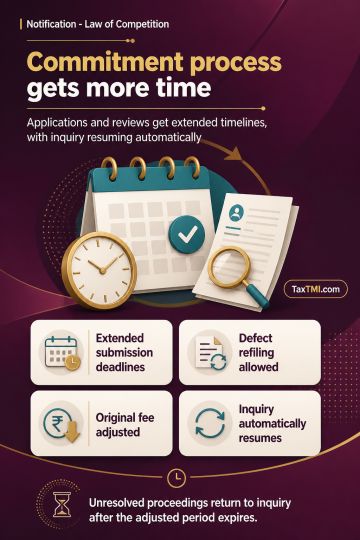
Commitment proceedings gain extended timelines, structured defect refiling, and automatic resumption of inquiry after the adjusted completion period e...
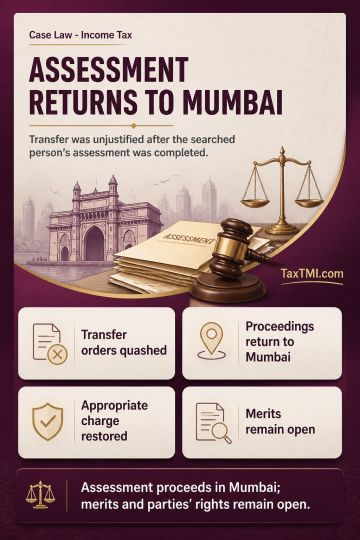
Centralised assessment transfer becomes unwarranted once the searched person's assessment is complete, requiring restoration to the appropriate charge...
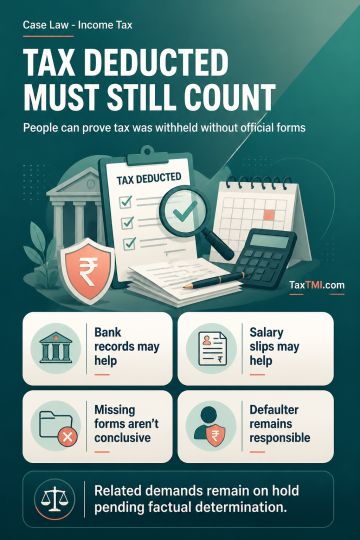
The High Court held that the Income Tax Department cannot demand TDS amounts from employees when such amounts have been deducted from their salaries by the employer but not deposited with the government. Section 205 of the Income Tax Act bars raising demand against assessees to the extent tax has been deducted from their income. The object is that when the obligation to deposit tax lies with the employer, the liability cannot be shifted to the employee who is the beneficiary of the payment. Issuing demand notices against the employees for the TDS amounts not deposited by the employer is impermissible and violates Section 205. The writ petition was allowed.
The High Court held that the Income Tax Department cannot demand TDS amounts from employees when such amounts have been deducted from their salaries by the employer but not deposited with the government. Section 205 of the Income Tax Act bars raising demand against assessees to the extent tax has been deducted from their income. The object is that when the obligation to deposit tax lies with the employer, the liability cannot be shifted to the employee who is the beneficiary of the payment. Issuing demand notices against the employees for the TDS amounts not deposited by the employer is impermissible and violates Section 205. The writ petition was allowed.
Note: It is a system-generated summary and is for quick reference only.
 TaxTMI
  TaxTMI
 of 4819










 Join Channel


