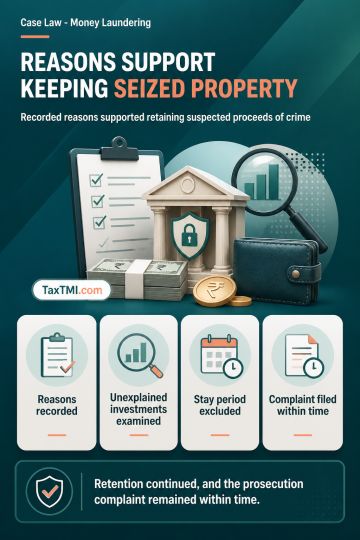
Retention of seized property survives where recorded reasons support proceeds of crime, while stayed investigation periods are excluded from limitatio...
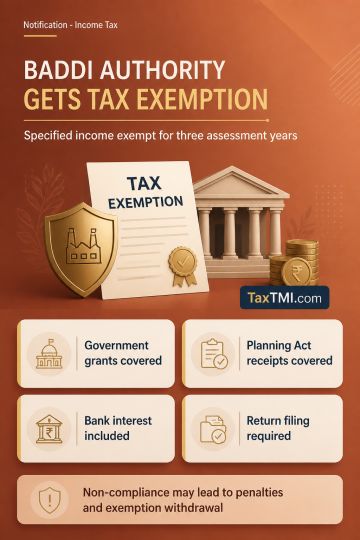
Specified income of Baddi Barotiwala Nalagarh Development Authority receives conditional tax exemption, retrospectively covering its designated assess...
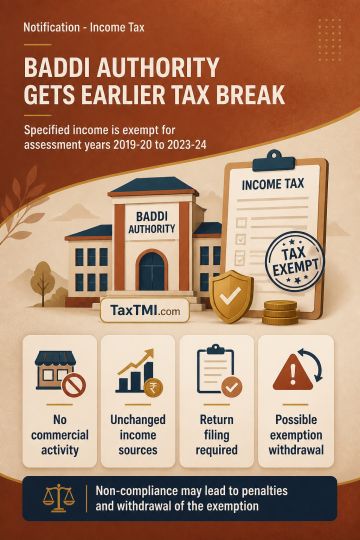
Specified development authority income receives retrospective tax exemption, subject to non-commercial activity, unchanged income sources, and return-...
Unified Brand India framework introduces voluntary Trust Mark certification and funding support for export branding, packaging and global promotional ...
Origin Declaration authentication governs preferential tariff claims under India-UK CETA, requiring a validated reference number before import clearan...
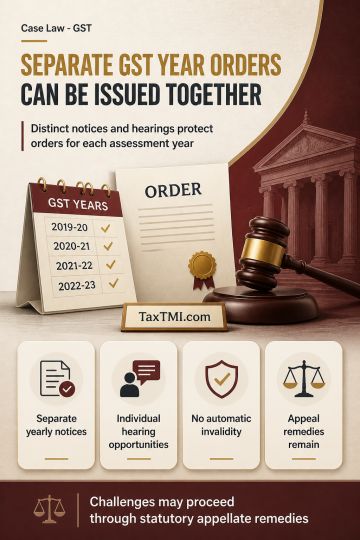
Separate assessment orders for different years remain valid when distinct notices and hearing opportunities prevent prejudice from combined proceeding...
This is a summary of a legal case related to the dishonor of a cheque. The court held that the accused failed to rebut the presumption of consideration for the cheque by providing satisfactory evidence. The accused did not dispute taking the loan, issuing the cheque, or their signature on the cheque. The burden shifted to the accused to rebut the presumption that the cheque was issued in discharge of a legal liability, which they failed to do. The accused also failed to pay the amount within 15 days of receiving the court summons, precluding them from claiming non-receipt of notice. The court upheld the trial court's sentence, including a fine of twice the cheque amount along with 9% simple interest per annum as compensation, as it was not excessive given the legal expenses and loss of interest incurred by the complainant over the three-year period.
This is a summary of a legal case related to the dishonor of a cheque. The court held that the accused failed to rebut the presumption of consideration for the cheque by providing satisfactory evidence. The accused did not dispute taking the loan, issuing the cheque, or their signature on the cheque. The burden shifted to the accused to rebut the presumption that the cheque was issued in discharge of a legal liability, which they failed to do. The accused also failed to pay the amount within 15 days of receiving the court summons, precluding them from claiming non-receipt of notice. The court upheld the trial court's sentence, including a fine of twice the cheque amount along with 9% simple interest per annum as compensation, as it was not excessive given the legal expenses and loss of interest incurred by the complainant over the three-year period.
Note: It is a system-generated summary and is for quick reference only.
 TaxTMI
 of 4805










 Join Channel


 TaxTMI
