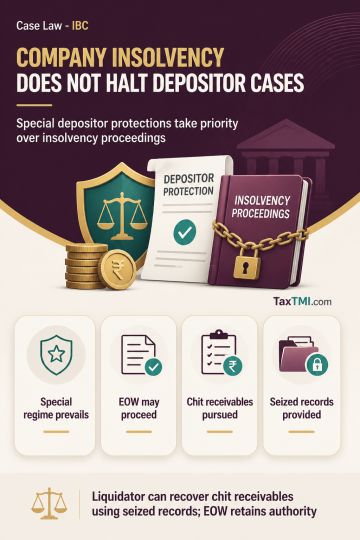
Depositor-protection proceedings prevail over corporate insolvency, while liquidators may recover chit receivables using copies of seized company reco...
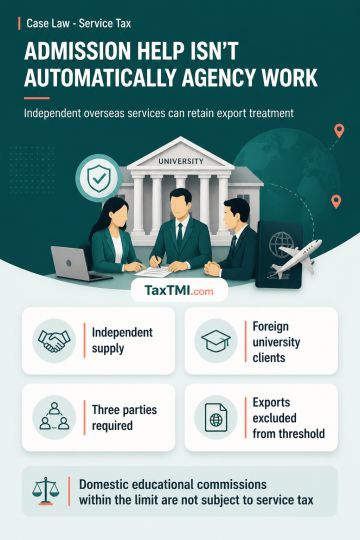
Intermediary service classification fails where overseas admission facilitation is supplied independently, preserving export treatment and small-provi...
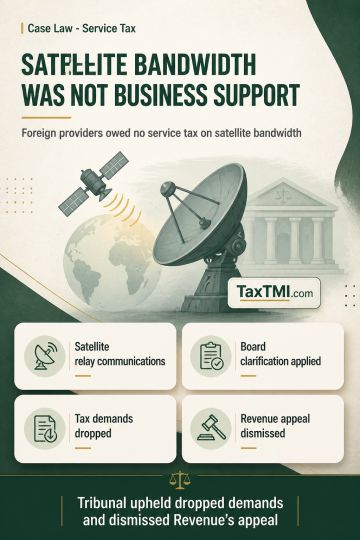
Satellite transponder bandwidth is telecommunication, not Business Support Service; foreign non-telegraph providers triggered no service tax liability...
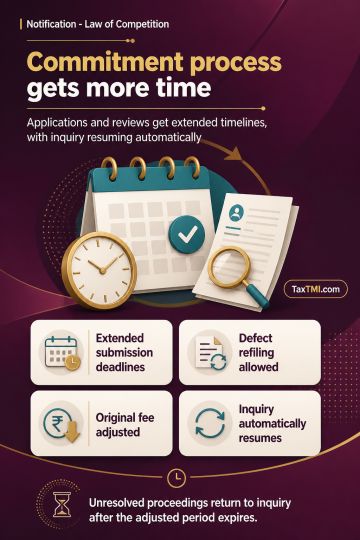
Commitment proceedings gain extended timelines, structured defect refiling, and automatic resumption of inquiry after the adjusted completion period e...
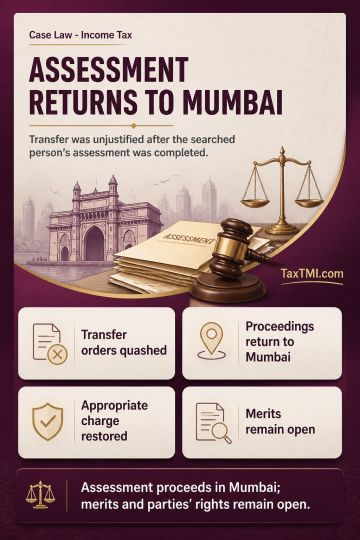
Centralised assessment transfer becomes unwarranted once the searched person's assessment is complete, requiring restoration to the appropriate charge...
The court held that the show cause notice (SCN) issued u/s 74 of the Central Goods and Services Tax Act, 2017 to a deceased sole proprietor is non-est in law. A sole proprietorship concern's identity is not distinct from the sole proprietor. Since the sole proprietor, Mr. Surender Kumar Gupta of M/s S.K. Gupta & Co., has expired, the SCN was issued to a non-existent person. While the legal representative or any person carrying on the deceased taxpayer's business is liable to pay the dues, the SCN should have been issued to them, not the deceased taxpayer. Relying on the Madras High Court's decision in Unnikrishnan R case, the court set aside the impugned SCN but clarified that the respondents can issue a notice to the legal representative or any other person carrying on the deceased taxpayer's business.
The court held that the show cause notice (SCN) issued u/s 74 of the Central Goods and Services Tax Act, 2017 to a deceased sole proprietor is non-est in law. A sole proprietorship concern's identity is not distinct from the sole proprietor. Since the sole proprietor, Mr. Surender Kumar Gupta of M/s S.K. Gupta & Co., has expired, the SCN was issued to a non-existent person. While the legal representative or any person carrying on the deceased taxpayer's business is liable to pay the dues, the SCN should have been issued to them, not the deceased taxpayer. Relying on the Madras High Court's decision in Unnikrishnan R case, the court set aside the impugned SCN but clarified that the respondents can issue a notice to the legal representative or any other person carrying on the deceased taxpayer's business.
Note: It is a system-generated summary and is for quick reference only.
 TaxTMI
 of 4805



 Join Channel


 TaxTMI
