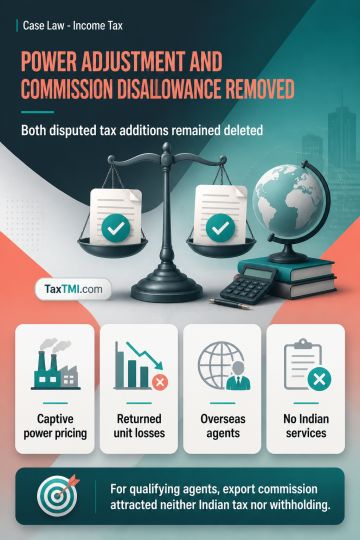
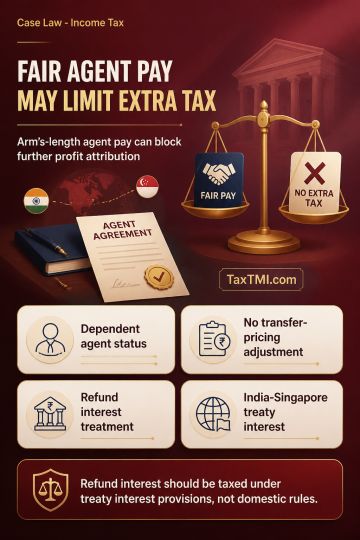
Captive power transfer pricing and non-resident export commission rules support deletion of adjustments and withholding disallowance in discussed proc...
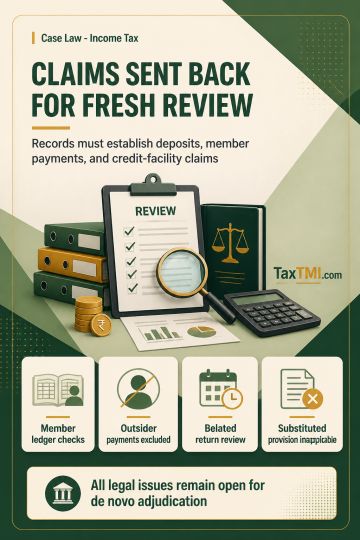
Cooperative society deposits, member-interest TDS exemption and credit-facility deduction claims require verification through records and supporting e...
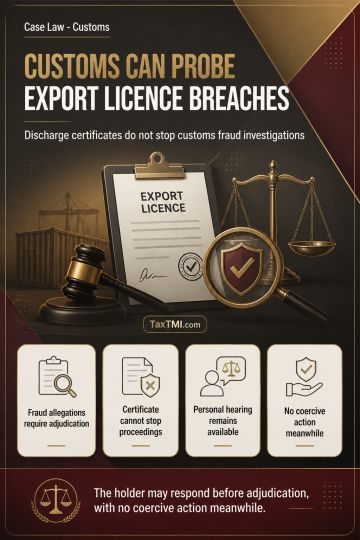
Customs jurisdiction over EPCG condition breaches survives export-obligation discharge certificates, requiring alleged fraud and misdeclaration to be ...
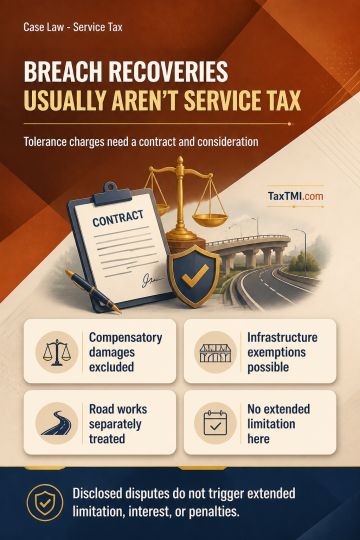
Contractual tolerance requires consideration; breach recoveries, qualifying public infrastructure services and road works escape service tax liability...
The petitioners' rebate claim for export of goods was rejected and penalty imposed u/s 11AC of the Central Excise Act, 1944 read with Rules 25 and 27 of the Central Excise Rules, 2002. During investigation, it was found that the petitioners and co-noticees filed rebate claims with forged documents like shipping bills and Form ARE-I, which is mandatory for claiming rebate. The petitioners did not comply with the prescribed procedure and committed fraud by forging the Forms. The authorities rightly rejected the rebate claim. Regarding the limitation for issuance of the show-cause notice, although the period is five years from the date of knowledge u/s 11A, the authorities issued the notice in 2014 after obtaining the original documents from the Court of Sessions in 2014, which were earlier unavailable. The petitioners did not raise the limitation issue before the Adjudicating Authority, but raised it before the Revisional Authority and the High Court. As the limitation is a mixed question of fact and law, the High Court dealt with it. No interference was warranted in the orders rejecting the rebate claim and levying penalty on the petitioners under Article 227 of the Constitution, and the petitions were dismissed.
The petitioners' rebate claim for export of goods was rejected and penalty imposed u/s 11AC of the Central Excise Act, 1944 read with Rules 25 and 27 of the Central Excise Rules, 2002. During investigation, it was found that the petitioners and co-noticees filed rebate claims with forged documents like shipping bills and Form ARE-I, which is mandatory for claiming rebate. The petitioners did not comply with the prescribed procedure and committed fraud by forging the Forms. The authorities rightly rejected the rebate claim. Regarding the limitation for issuance of the show-cause notice, although the period is five years from the date of knowledge u/s 11A, the authorities issued the notice in 2014 after obtaining the original documents from the Court of Sessions in 2014, which were earlier unavailable. The petitioners did not raise the limitation issue before the Adjudicating Authority, but raised it before the Revisional Authority and the High Court. As the limitation is a mixed question of fact and law, the High Court dealt with it. No interference was warranted in the orders rejecting the rebate claim and levying penalty on the petitioners under Article 227 of the Constitution, and the petitions were dismissed.
Note: It is a system-generated summary and is for quick reference only.
 TaxTMI
 of 4805




 Join Channel


 TaxTMI
