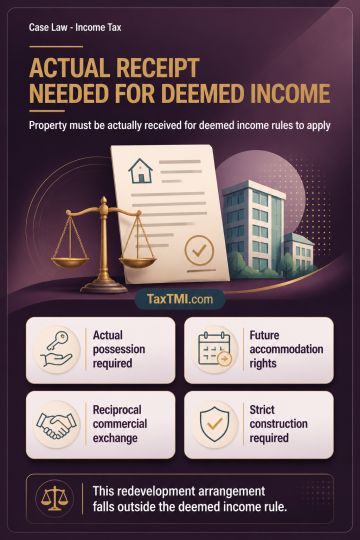
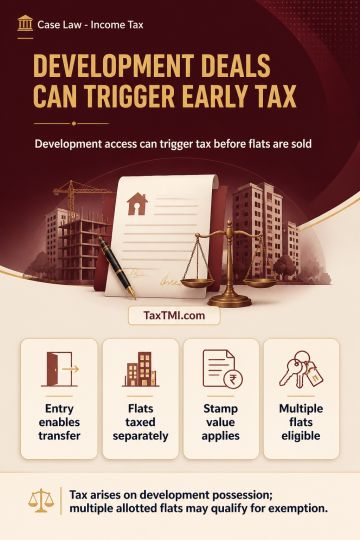
Receipt of immovable property requires actual possession or enjoyment; redevelopment allotments exchanged for tenancy rights fall outside deemed incom...
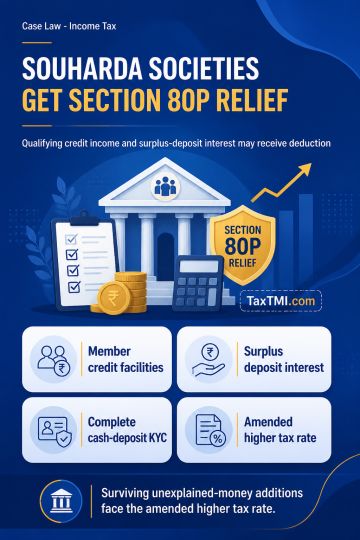
Section 80P deduction covers Souharda credit societies, including qualifying surplus-deposit interest, subject to member KYC verification for cash dep...
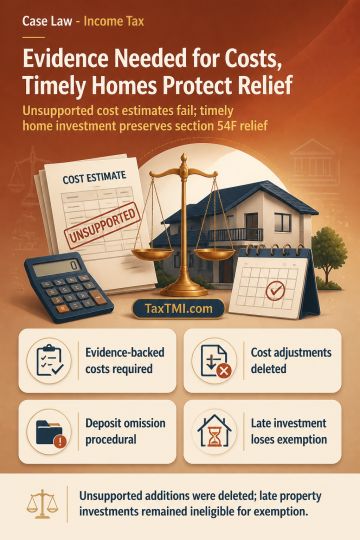
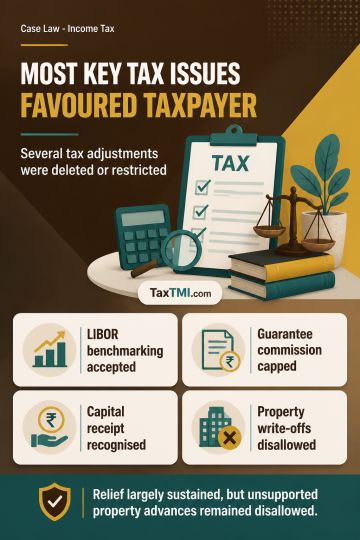
Transfer-pricing benchmarking and capital-receipt principles sustained taxpayer relief, while unsupported property-advance write-offs remained disallo...
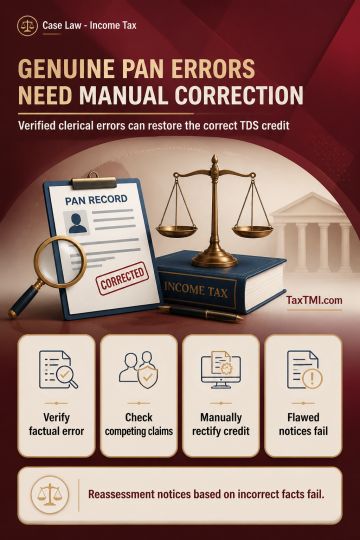
The crux of the matter revolves around the validity of reassessment proceedings initiated by the Assessing Officer (AO). The critical issue is whether there existed any new 'tangible material' or fresh 'information' in the possession of the AO to justify reopening the assessment u/s 147 of the Act. The Tribunal, after examining the Supreme Court's judgment in Kelvinator of India Ltd. and the assessee's own case, concluded that there was no new 'tangible material' or fresh 'information' available with the AO. Consequently, the Tribunal held that if the AO assumes jurisdiction u/s 147 without such material or information, it would render the reassessment proceedings a nullity, liable to be set aside. Additionally, the Tribunal noted that the Revenue had an opportunity to invoke issues u/s 263 before reopening but failed to do so. Based on these considerations, the Tribunal decided in favor of the assessee and set aside the reopening proceedings.
The crux of the matter revolves around the validity of reassessment proceedings initiated by the Assessing Officer (AO). The critical issue is whether there existed any new 'tangible material' or fresh 'information' in the possession of the AO to justify reopening the assessment u/s 147 of the Act. The Tribunal, after examining the Supreme Court's judgment in Kelvinator of India Ltd. and the assessee's own case, concluded that there was no new 'tangible material' or fresh 'information' available with the AO. Consequently, the Tribunal held that if the AO assumes jurisdiction u/s 147 without such material or information, it would render the reassessment proceedings a nullity, liable to be set aside. Additionally, the Tribunal noted that the Revenue had an opportunity to invoke issues u/s 263 before reopening but failed to do so. Based on these considerations, the Tribunal decided in favor of the assessee and set aside the reopening proceedings.
Note: It is a system-generated summary and is for quick reference only.
 TaxTMI
 of 4805








 Join Channel


 TaxTMI
