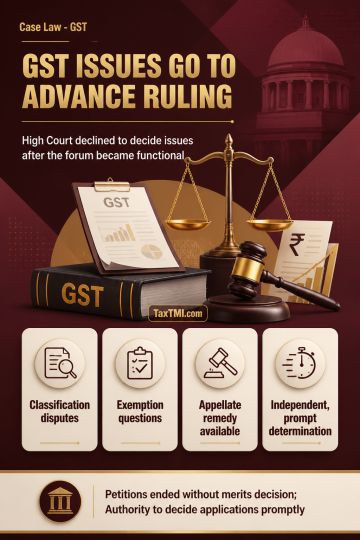
Advance-ruling mechanism governs pending GST classification, exemption and taxability disputes, limiting writ review once the specialised forum functi...
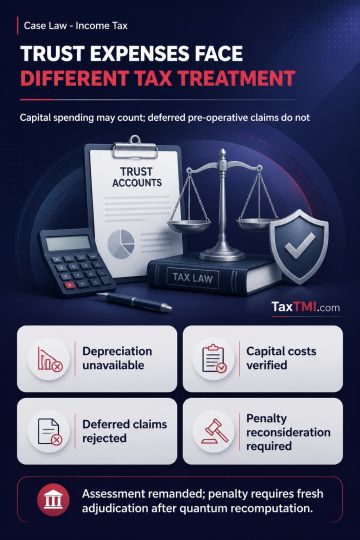
Charitable trust income application permits verified capital expenditure but rejects deferred pre-operative claims and requires reconsideration of con...
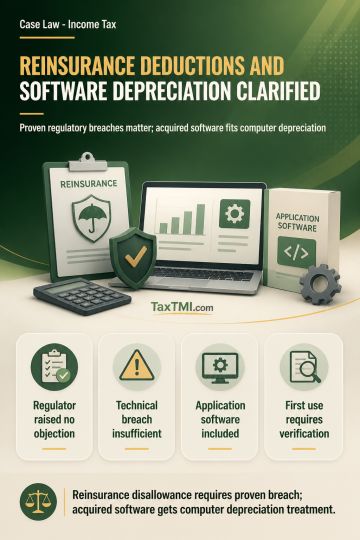
Reinsurance premium deductions require established regulatory breaches, while independently acquired software qualifies within the computer depreciati...
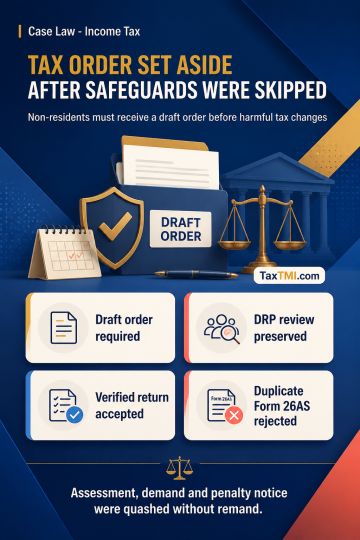
The High Court held that the Assessing Officer's failure to frame a draft assessment order and directly passing a final order was violative of the mandatory provisions of Section 144C, rendering the final order a nullity. The court emphasized that it was imperative for the Assessing Officer to frame an order in draft before issuing the final assessment order. Regarding the limitation period u/s 153, the court clarified that it cannot enlarge or expand the statutorily prescribed period for completing the assessment. The court found it unnecessary to examine additional challenges raised against the final assessment orders since the assessment period had expired. Consequently, the writ petitions were allowed.
The High Court held that the Assessing Officer's failure to frame a draft assessment order and directly passing a final order was violative of the mandatory provisions of Section 144C, rendering the final order a nullity. The court emphasized that it was imperative for the Assessing Officer to frame an order in draft before issuing the final assessment order. Regarding the limitation period u/s 153, the court clarified that it cannot enlarge or expand the statutorily prescribed period for completing the assessment. The court found it unnecessary to examine additional challenges raised against the final assessment orders since the assessment period had expired. Consequently, the writ petitions were allowed.
Note: It is a system-generated summary and is for quick reference only.
 TaxTMI
 of 4790







 Join Channel


 TaxTMI
