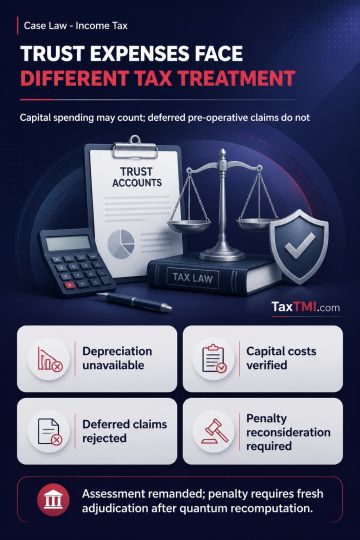
Charitable trust income application permits verified capital expenditure but rejects deferred pre-operative claims and requires reconsideration of con...
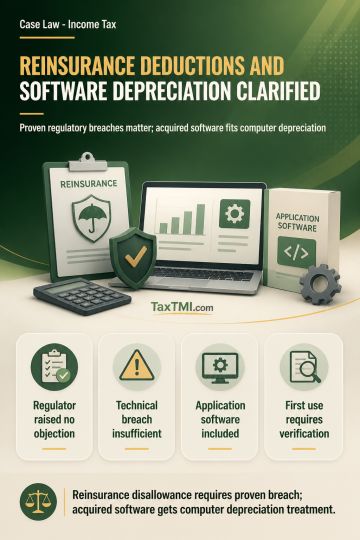
Reinsurance premium deductions require established regulatory breaches, while independently acquired software qualifies within the computer depreciati...
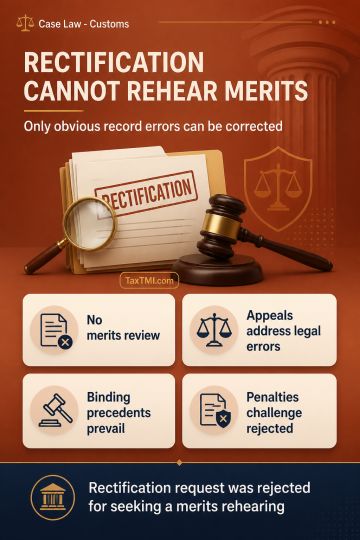
Rectification of mistake remains limited to self-evident record errors, preventing merits review through miscellaneous applications and preserving fin...
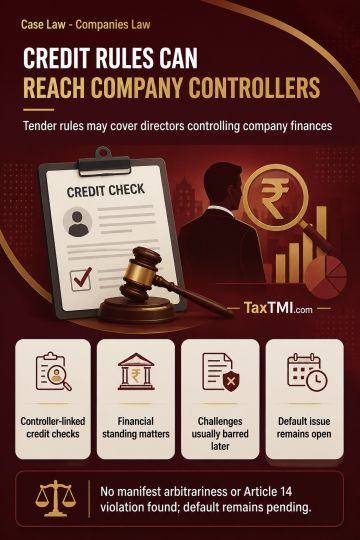
Tender creditworthiness conditions may extend to de facto Promoter Directors, with post-participation challenges generally barred absent arbitrariness...
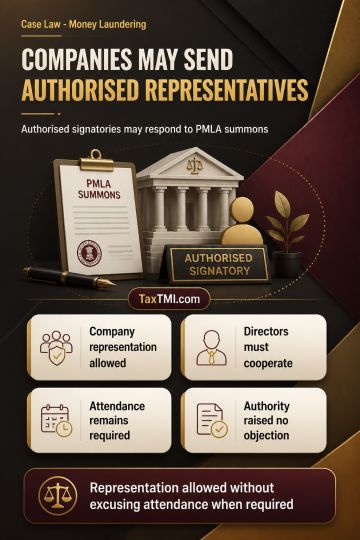
Corporate representation in PMLA summons proceedings permitted through an authorised signatory, subject to directors' continuing cooperation and atten...
This case pertains to the utilization of ineligible CENVAT credit by a company. The key points are: The company availed ineligible CENVAT credit amounting to Rs. 1,30,84,835/- which was not permissible under the CENVAT Credit Rules, 2004. As per Section 73 of the Finance Act, 1994, a show-cause notice for non-payment of service tax must be issued within 18 months, extendable to 5 years in case of fraud, misstatement or suppression of facts. The company had disclosed all relevant information regarding CENVAT credit availed in its ST-3 returns. The Commissioner alleged misstatement and contravention with intent to evade tax, which the High Court found perverse as the show-cause notice did not mention willful misstatement or suppression. The Supreme Court has held that for invoking extended limitation, the show-cause notice must specifically mention willful misstatement or suppression. As the company disclosed facts and there was no allegation of willful suppression, the CESTAT order was upheld, and the appeal dismissed.
This case pertains to the utilization of ineligible CENVAT credit by a company. The key points are: The company availed ineligible CENVAT credit amounting to Rs. 1,30,84,835/- which was not permissible under the CENVAT Credit Rules, 2004. As per Section 73 of the Finance Act, 1994, a show-cause notice for non-payment of service tax must be issued within 18 months, extendable to 5 years in case of fraud, misstatement or suppression of facts. The company had disclosed all relevant information regarding CENVAT credit availed in its ST-3 returns. The Commissioner alleged misstatement and contravention with intent to evade tax, which the High Court found perverse as the show-cause notice did not mention willful misstatement or suppression. The Supreme Court has held that for invoking extended limitation, the show-cause notice must specifically mention willful misstatement or suppression. As the company disclosed facts and there was no allegation of willful suppression, the CESTAT order was upheld, and the appeal dismissed.
Note: It is a system-generated summary and is for quick reference only.
 TaxTMI
 of 4805






 Join Channel


 TaxTMI
