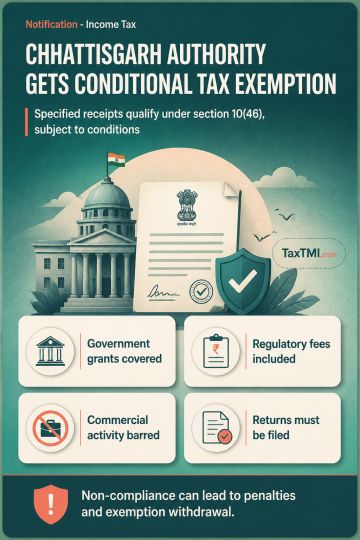
Specified regulatory authority income receives conditional tax exemption, subject to non-commercial activity, unchanged income character, and return f...
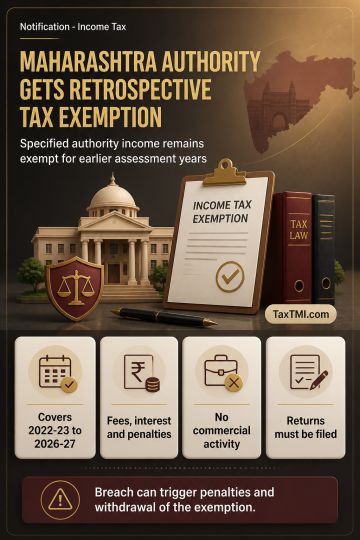
Tax exemption for regulatory authority income applies retrospectively, subject to non-commercial activity, unchanged income sources, and return-filing...
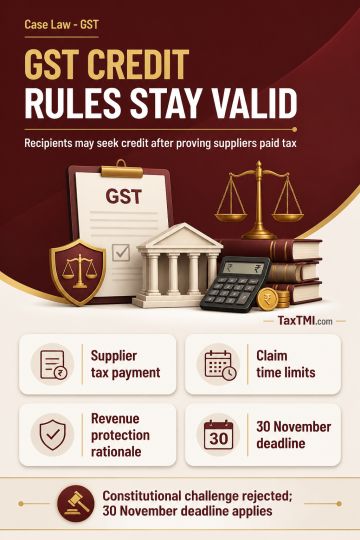
Input tax credit conditions remain constitutionally valid, with eligible recipient claims considered under GST circulars and retrospective filing dead...
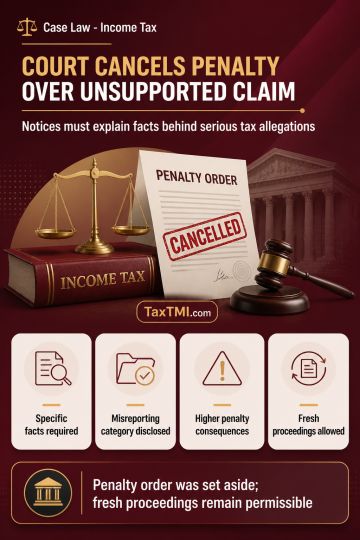
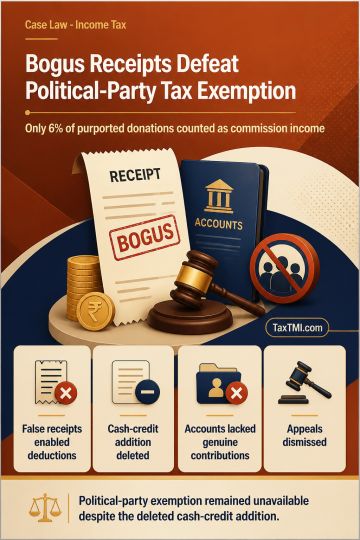
Bogus donation receipts justified commission income assessment and defeated political-party tax exemption for inaccurate accounts and reporting failur...
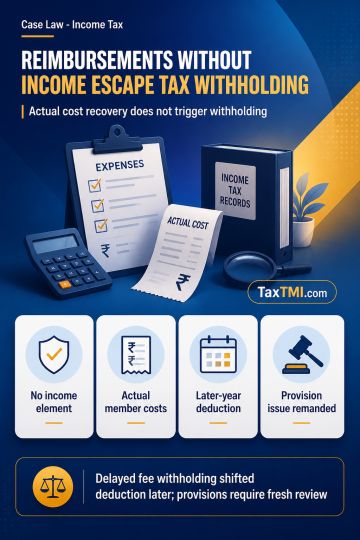
Pure reimbursement without income element escapes tax withholding, while delayed withholding and unsupported provisions face deferred or renewed scrut...
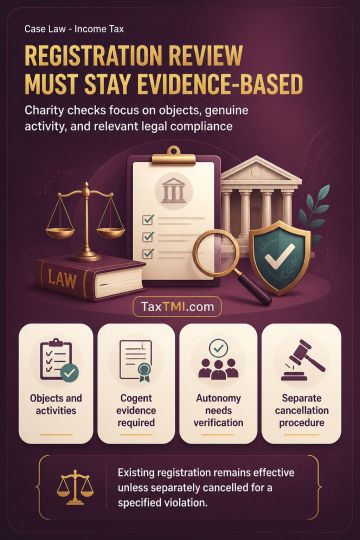
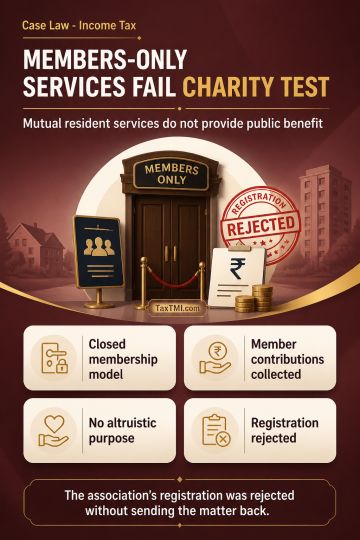
Public benefit requirement defeats charitable registration where residents' association services are reciprocal, member-only facilities governed by mu...
This case pertains to the utilization of ineligible CENVAT credit by a company. The key points are: The company availed ineligible CENVAT credit amounting to Rs. 1,30,84,835/- which was not permissible under the CENVAT Credit Rules, 2004. As per Section 73 of the Finance Act, 1994, a show-cause notice for non-payment of service tax must be issued within 18 months, extendable to 5 years in case of fraud, misstatement or suppression of facts. The company had disclosed all relevant information regarding CENVAT credit availed in its ST-3 returns. The Commissioner alleged misstatement and contravention with intent to evade tax, which the High Court found perverse as the show-cause notice did not mention willful misstatement or suppression. The Supreme Court has held that for invoking extended limitation, the show-cause notice must specifically mention willful misstatement or suppression. As the company disclosed facts and there was no allegation of willful suppression, the CESTAT order was upheld, and the appeal dismissed.
This case pertains to the utilization of ineligible CENVAT credit by a company. The key points are: The company availed ineligible CENVAT credit amounting to Rs. 1,30,84,835/- which was not permissible under the CENVAT Credit Rules, 2004. As per Section 73 of the Finance Act, 1994, a show-cause notice for non-payment of service tax must be issued within 18 months, extendable to 5 years in case of fraud, misstatement or suppression of facts. The company had disclosed all relevant information regarding CENVAT credit availed in its ST-3 returns. The Commissioner alleged misstatement and contravention with intent to evade tax, which the High Court found perverse as the show-cause notice did not mention willful misstatement or suppression. The Supreme Court has held that for invoking extended limitation, the show-cause notice must specifically mention willful misstatement or suppression. As the company disclosed facts and there was no allegation of willful suppression, the CESTAT order was upheld, and the appeal dismissed.
Note: It is a system-generated summary and is for quick reference only.
 TaxTMI
 of 4805



 Join Channel


 TaxTMI