Arrest safeguards require disclosed grounds, relative intimation and transit remand, while duplicate prosecution under the CGST framework is unsustain...
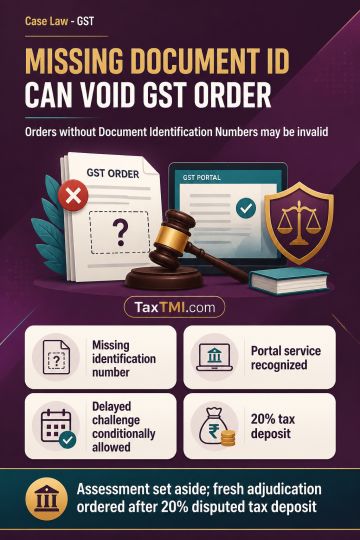
Document Identification Number defects can invalidate GST assessments, with delayed challenges entertained conditionally where patent irregularities e...
Windmill commissioning evidence supported higher depreciation where grid connection and electricity generation proved operational use before the relev...
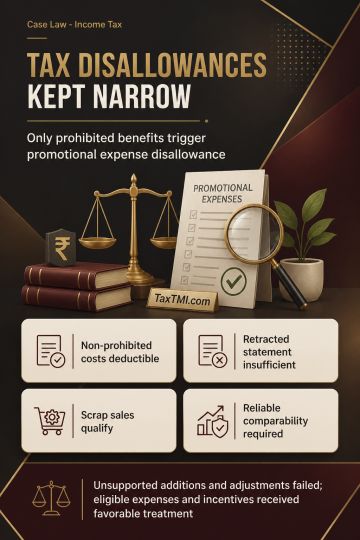
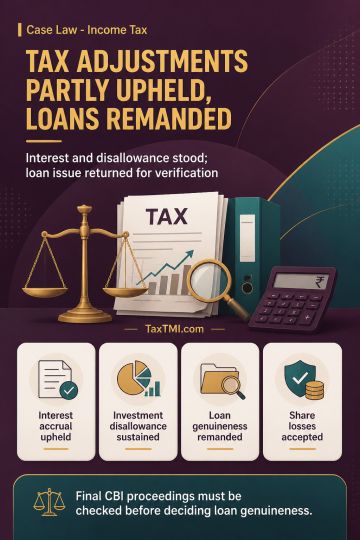
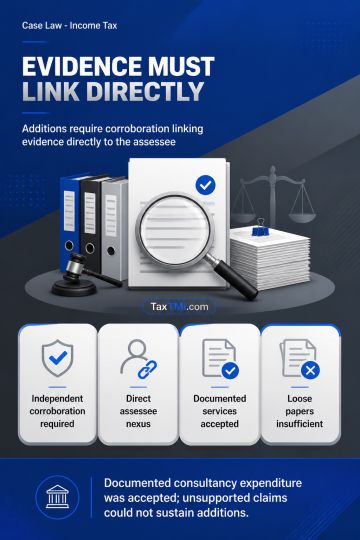
Pharmaceutical promotion and transfer-pricing comparability principles limited disallowances, while uncorroborated search allegations and unsupported ...
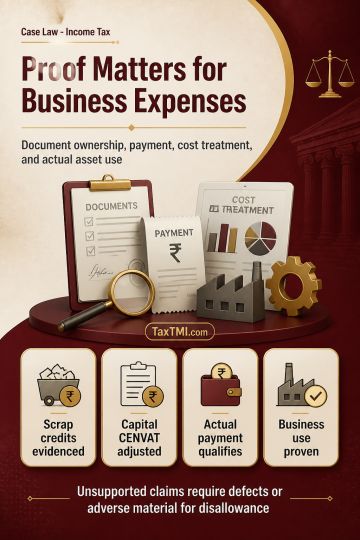
Business expenditure substantiation supports scrap credits, statutory payments and expense claims, while depreciation requires proof of actual busines...
Insolvency and BankruptcyAugust 27, 2024Case LawsHC
Challenge to an interim arbitral award u/s 31(6) of the Arbitration and Conciliation Act, 1996. The key issues are: (1) whether the rejection of an application u/s 16 regarding the arbitrator's jurisdiction operates as res judicata for the interim award, and (2) whether alleged future losses covered by a counterclaim could be dismissed due to the approval of a Resolution Plan under the Insolvency and Bankruptcy Code (IBC). The court held that the earlier rejection u/s 16 did not operate as res judicata, as the subsequent approval of the Resolution Plan extinguishing creditors' rights altered the scenario, providing a fresh cause of action. Regarding the second issue, the court ruled that all claims, including future losses, stood extinguished upon approval of the Resolution Plan, as per Section 31 of the IBC and the Supreme Court's decision in Ghanashyam Mishra. Consequently, the arbitrator was justified in dismissing the counterclaims at the outset due to the Resolution Plan's approval. The court found no grounds to interfere with the interim award u/s 34, as the arbitrator's findings were legally correct. The petition was dismissed.
Challenge to an interim arbitral award u/s 31(6) of the Arbitration and Conciliation Act, 1996. The key issues are: (1) whether the rejection of an application u/s 16 regarding the arbitrator's jurisdiction operates as res judicata for the interim award, and (2) whether alleged future losses covered by a counterclaim could be dismissed due to the approval of a Resolution Plan under the Insolvency and Bankruptcy Code (IBC). The court held that the earlier rejection u/s 16 did not operate as res judicata, as the subsequent approval of the Resolution Plan extinguishing creditors' rights altered the scenario, providing a fresh cause of action. Regarding the second issue, the court ruled that all claims, including future losses, stood extinguished upon approval of the Resolution Plan, as per Section 31 of the IBC and the Supreme Court's decision in Ghanashyam Mishra. Consequently, the arbitrator was justified in dismissing the counterclaims at the outset due to the Resolution Plan's approval. The court found no grounds to interfere with the interim award u/s 34, as the arbitrator's findings were legally correct. The petition was dismissed.
Note: It is a system-generated summary and is for quick reference only.
 TaxTMI
 of 4788













 Join Channel


 TaxTMI