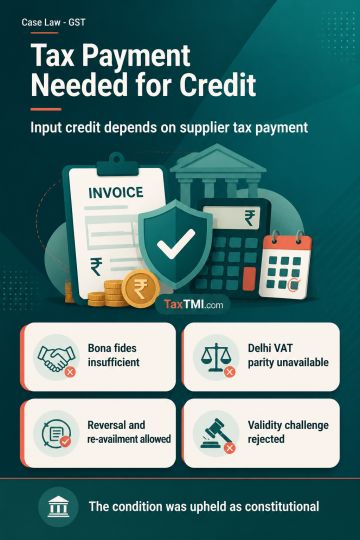
Input tax credit conditions remain constitutionally valid, with eligible recipient claims considered under GST circulars and retrospective filing dead...
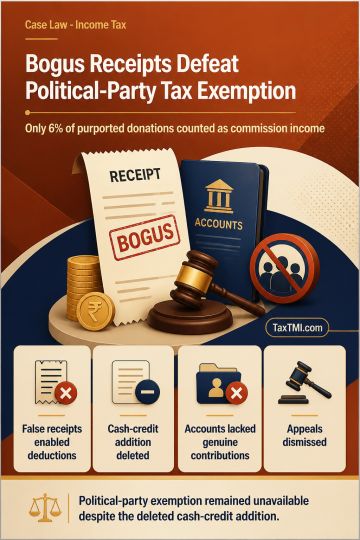
Bogus donation receipts justified commission income assessment and defeated political-party tax exemption for inaccurate accounts and reporting failur...
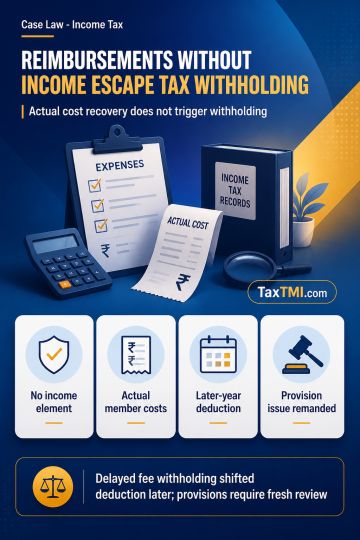
Pure reimbursement without income element escapes tax withholding, while delayed withholding and unsupported provisions face deferred or renewed scrut...
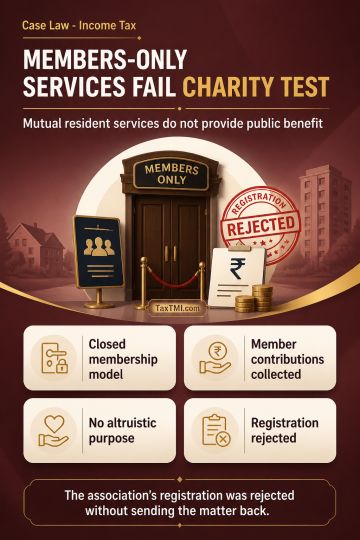
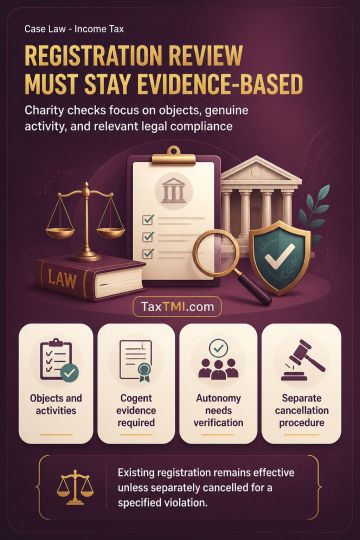
Public benefit requirement defeats charitable registration where residents' association services are reciprocal, member-only facilities governed by mu...
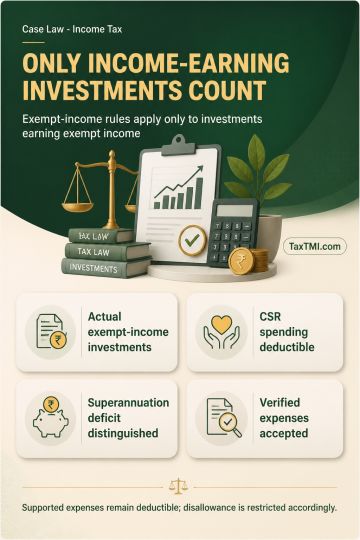
Exempt-income expenditure disallowance is confined to investments that actually generated exempt income, while supported business expenses remain dedu...
Insolvency and BankruptcyAugust 27, 2024Case LawsHC
Challenge to an interim arbitral award u/s 31(6) of the Arbitration and Conciliation Act, 1996. The key issues are: (1) whether the rejection of an application u/s 16 regarding the arbitrator's jurisdiction operates as res judicata for the interim award, and (2) whether alleged future losses covered by a counterclaim could be dismissed due to the approval of a Resolution Plan under the Insolvency and Bankruptcy Code (IBC). The court held that the earlier rejection u/s 16 did not operate as res judicata, as the subsequent approval of the Resolution Plan extinguishing creditors' rights altered the scenario, providing a fresh cause of action. Regarding the second issue, the court ruled that all claims, including future losses, stood extinguished upon approval of the Resolution Plan, as per Section 31 of the IBC and the Supreme Court's decision in Ghanashyam Mishra. Consequently, the arbitrator was justified in dismissing the counterclaims at the outset due to the Resolution Plan's approval. The court found no grounds to interfere with the interim award u/s 34, as the arbitrator's findings were legally correct. The petition was dismissed.
Challenge to an interim arbitral award u/s 31(6) of the Arbitration and Conciliation Act, 1996. The key issues are: (1) whether the rejection of an application u/s 16 regarding the arbitrator's jurisdiction operates as res judicata for the interim award, and (2) whether alleged future losses covered by a counterclaim could be dismissed due to the approval of a Resolution Plan under the Insolvency and Bankruptcy Code (IBC). The court held that the earlier rejection u/s 16 did not operate as res judicata, as the subsequent approval of the Resolution Plan extinguishing creditors' rights altered the scenario, providing a fresh cause of action. Regarding the second issue, the court ruled that all claims, including future losses, stood extinguished upon approval of the Resolution Plan, as per Section 31 of the IBC and the Supreme Court's decision in Ghanashyam Mishra. Consequently, the arbitrator was justified in dismissing the counterclaims at the outset due to the Resolution Plan's approval. The court found no grounds to interfere with the interim award u/s 34, as the arbitrator's findings were legally correct. The petition was dismissed.
Note: It is a system-generated summary and is for quick reference only.
 TaxTMI
 of 4786




 Join Channel


 TaxTMI