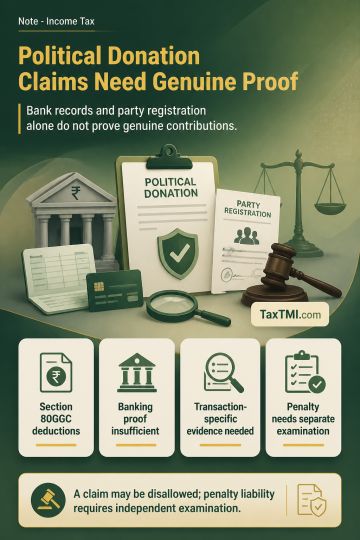
Political contribution deductions require genuine transactions; banking records and party registration alone cannot defeat evidence of accommodation e...
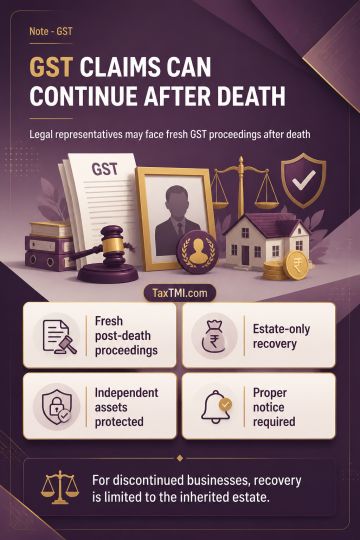
Post-death GST liability permits fresh proceedings against legal representatives, while discontinued-business recovery remains limited to the inherite...
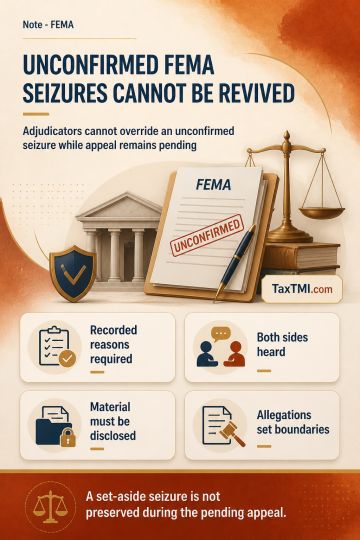
Non-confirmation of FEMA seizure prevents adjudicators from overriding pending appellate findings on recorded reasons and suspected foreign asset hold...
This case pertains to the taxability of revenue-sharing arrangements between theater owners and film distributors. The appellant contended that the agreements were misconstrued, leading to the creation of a fictional entity, and that the circulars were inappropriately relied upon without considering the elements of service under the Finance Act, 1994. The Tribunal held that the attempt to converge the constitutional restriction on levying tax on film screening with the fictional conception of an entity excoriating the charging provision was flawed. The implication was that the 'box office' represented a joint venture between the exhibitor and distributor, and the exhibitor was sought to be taxed for providing 'support service of business or commerce'. However, the Tribunal noted that an earlier decision on the same issue was applicable, even under the 'negative list' regime, and any contrary stand on taxability was unacceptable. Consequently, the demand and penalty imposed in the impugned order were set aside, and the appeal was allowed.
This case pertains to the taxability of revenue-sharing arrangements between theater owners and film distributors. The appellant contended that the agreements were misconstrued, leading to the creation of a fictional entity, and that the circulars were inappropriately relied upon without considering the elements of service under the Finance Act, 1994. The Tribunal held that the attempt to converge the constitutional restriction on levying tax on film screening with the fictional conception of an entity excoriating the charging provision was flawed. The implication was that the 'box office' represented a joint venture between the exhibitor and distributor, and the exhibitor was sought to be taxed for providing 'support service of business or commerce'. However, the Tribunal noted that an earlier decision on the same issue was applicable, even under the 'negative list' regime, and any contrary stand on taxability was unacceptable. Consequently, the demand and penalty imposed in the impugned order were set aside, and the appeal was allowed.
Note: It is a system-generated summary and is for quick reference only.
 TaxTMI
  TaxTMI