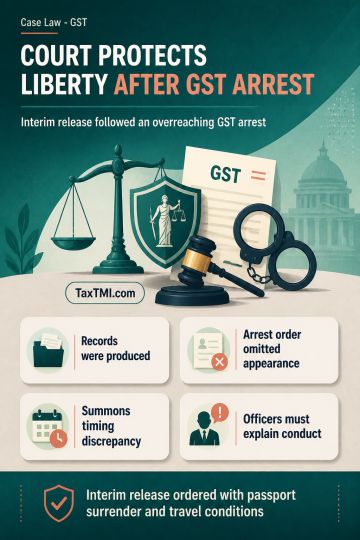
Personal liberty safeguards restrict arrest after court-directed GST appearance, requiring interim release where authorities overreach pending proceed...
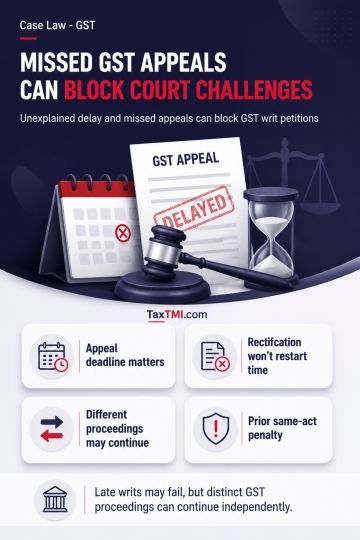
Alternative statutory remedy and delay bar GST writ challenges despite pending rectification, while distinct subject matter permits parallel proceedin...
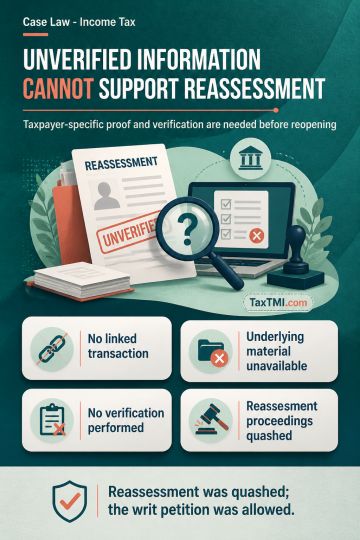
Unverified Insight Portal Information Cannot Justify Reassessment Without a Verified Taxpayer-Specific Income-Escape Nexus or Demonstrated Application...
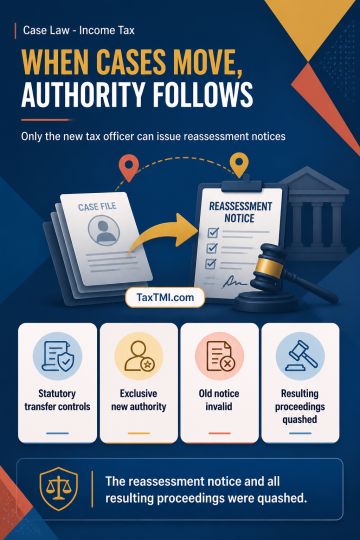
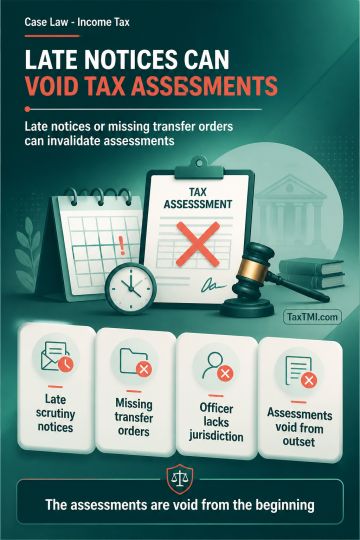
Assessing Officer jurisdiction after statutory transfer invalidates reassessment notices issued by transferor officers and nullifies resulting proceed...
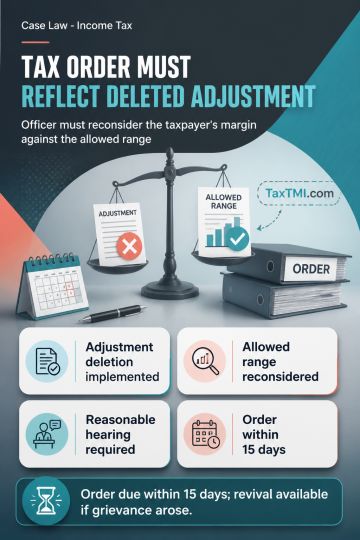
Consequential appeal-effect orders must implement rectification deleting working-capital adjustments and reconsider the resulting arm's-length range c...
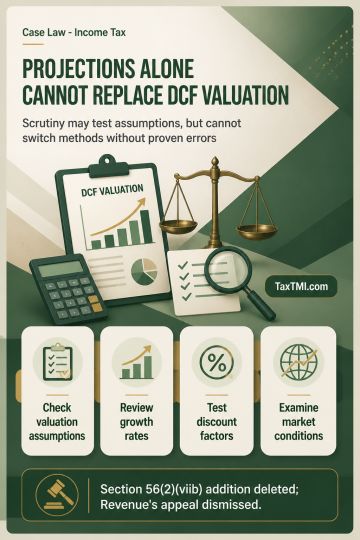
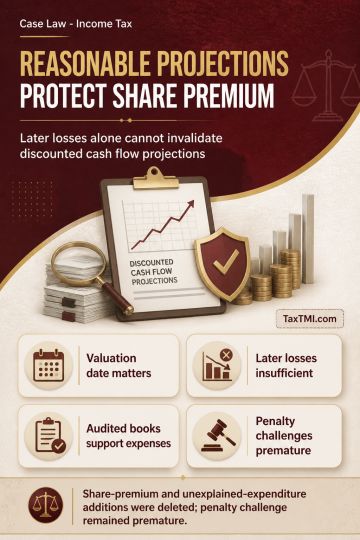
Discounted cash flow valuation protects share premium where projections are reasonable, while audited book expenses defeat unexplained-expenditure add...
The High Court upheld the validity of the search action u/s 132 carried out at the residential and office premises of the petitioner, an advocate. The court found the satisfaction recorded by the respondent authority for initiating the search proceedings justified and did not require interference. Regarding the seized materials in physical and digital form, the court held that the respondent authorities can consider documents found incriminating under Illustrations (b) and (c) of Section 126 of the Evidence Act. However, documents covered by Illustration (a), relating to the petitioner's clients before their employment, cannot be utilized or acted upon. The court directed the respondent authorities to exercise judicious discretion in determining incriminating documents falling under the two categories and abide by their averments. The court rejected the suggestion of appointing an independent agency, distinguishing the case from S.R. Batliboi, where the third party's documents were found during the search. The petition was disposed of, with the third parties' right to raise contentions against any action taken by the respondents remaining open.
The High Court upheld the validity of the search action u/s 132 carried out at the residential and office premises of the petitioner, an advocate. The court found the satisfaction recorded by the respondent authority for initiating the search proceedings justified and did not require interference. Regarding the seized materials in physical and digital form, the court held that the respondent authorities can consider documents found incriminating under Illustrations (b) and (c) of Section 126 of the Evidence Act. However, documents covered by Illustration (a), relating to the petitioner's clients before their employment, cannot be utilized or acted upon. The court directed the respondent authorities to exercise judicious discretion in determining incriminating documents falling under the two categories and abide by their averments. The court rejected the suggestion of appointing an independent agency, distinguishing the case from S.R. Batliboi, where the third party's documents were found during the search. The petition was disposed of, with the third parties' right to raise contentions against any action taken by the respondents remaining open.
Note: It is a system-generated summary and is for quick reference only.
 TaxTMI
  TaxTMI