Captive power transfer pricing and non-resident export commission rules support deletion of adjustments and withholding disallowance in discussed proc...
Cooperative society deposits, member-interest TDS exemption and credit-facility deduction claims require verification through records and supporting e...
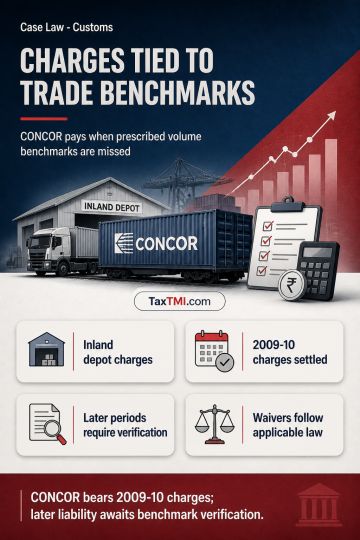
Customs jurisdiction over EPCG condition breaches survives export-obligation discharge certificates, requiring alleged fraud and misdeclaration to be ...
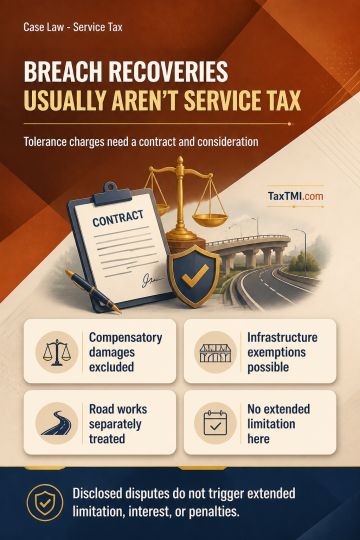
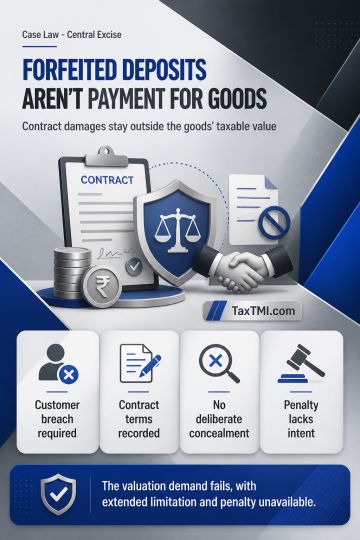
Contractual tolerance requires consideration; breach recoveries, qualifying public infrastructure services and road works escape service tax liability...
The High Court considered the maintainability of a writ petition seeking a writ of prohibition despite the petitioner not challenging the allegedly erroneous orders. The Court clarified that a writ of prohibition is typically used to supervise and restrict courts or tribunals from acting beyond their jurisdiction. Reference was made to a Supreme Court case emphasizing the distinction between issuing writs of certiorari and prohibition to correct jurisdictional errors. While both writs can correct jurisdictional errors, certiorari corrects after a decision, and prohibition can prevent errors before a decision. In this case, as the appellate authority had already made a determination, issuing a writ of prohibition was deemed unnecessary. The Court found the petitioner's request to defer recovery without seeking adjudication of rights insufficient, leading to the dismissal of the writ petition.
The High Court considered the maintainability of a writ petition seeking a writ of prohibition despite the petitioner not challenging the allegedly erroneous orders. The Court clarified that a writ of prohibition is typically used to supervise and restrict courts or tribunals from acting beyond their jurisdiction. Reference was made to a Supreme Court case emphasizing the distinction between issuing writs of certiorari and prohibition to correct jurisdictional errors. While both writs can correct jurisdictional errors, certiorari corrects after a decision, and prohibition can prevent errors before a decision. In this case, as the appellate authority had already made a determination, issuing a writ of prohibition was deemed unnecessary. The Court found the petitioner's request to defer recovery without seeking adjudication of rights insufficient, leading to the dismissal of the writ petition.
Note: It is a system-generated summary and is for quick reference only.
 TaxTMI
 of 4805















 Join Channel


 TaxTMI
