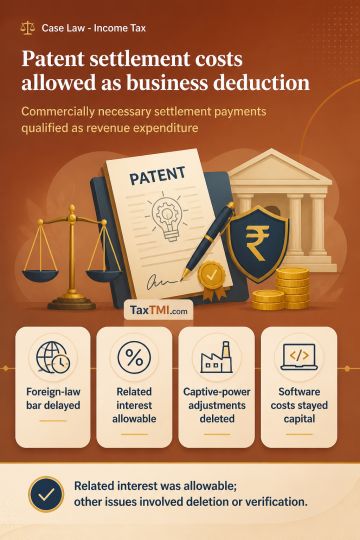
Patent-settlement expenditure treated as commercially expedient revenue outlay, with foreign-law restrictions inapplicable before the prospective amen...
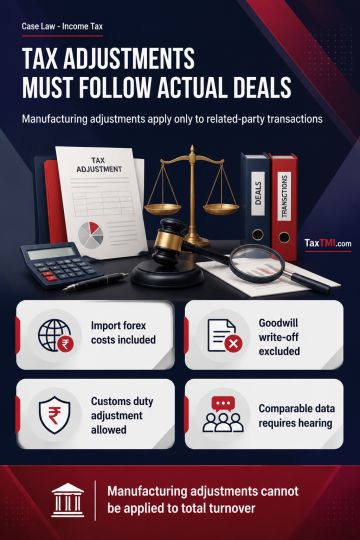
International transaction benchmarking restricts transfer pricing adjustments to associated-enterprise dealings, while functional comparability govern...
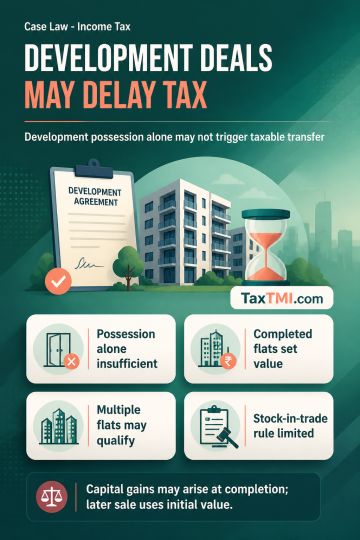
Joint development agreements defer taxable transfer where possession lacks part performance, while completed flats determine consideration and exempti...
The High Court considered the maintainability of a writ petition seeking a writ of prohibition despite the petitioner not challenging the allegedly erroneous orders. The Court clarified that a writ of prohibition is typically used to supervise and restrict courts or tribunals from acting beyond their jurisdiction. Reference was made to a Supreme Court case emphasizing the distinction between issuing writs of certiorari and prohibition to correct jurisdictional errors. While both writs can correct jurisdictional errors, certiorari corrects after a decision, and prohibition can prevent errors before a decision. In this case, as the appellate authority had already made a determination, issuing a writ of prohibition was deemed unnecessary. The Court found the petitioner's request to defer recovery without seeking adjudication of rights insufficient, leading to the dismissal of the writ petition.
The High Court considered the maintainability of a writ petition seeking a writ of prohibition despite the petitioner not challenging the allegedly erroneous orders. The Court clarified that a writ of prohibition is typically used to supervise and restrict courts or tribunals from acting beyond their jurisdiction. Reference was made to a Supreme Court case emphasizing the distinction between issuing writs of certiorari and prohibition to correct jurisdictional errors. While both writs can correct jurisdictional errors, certiorari corrects after a decision, and prohibition can prevent errors before a decision. In this case, as the appellate authority had already made a determination, issuing a writ of prohibition was deemed unnecessary. The Court found the petitioner's request to defer recovery without seeking adjudication of rights insufficient, leading to the dismissal of the writ petition.
Note: It is a system-generated summary and is for quick reference only.
 TaxTMI
 of 4803








 Join Channel


 TaxTMI
