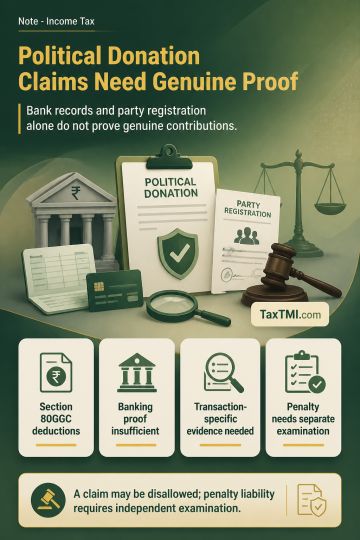
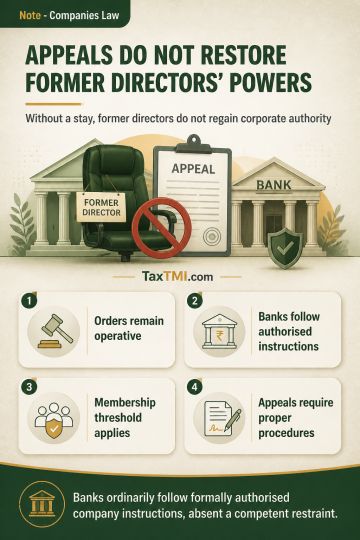
Political contribution deductions require genuine transactions; banking records and party registration alone cannot defeat evidence of accommodation e...
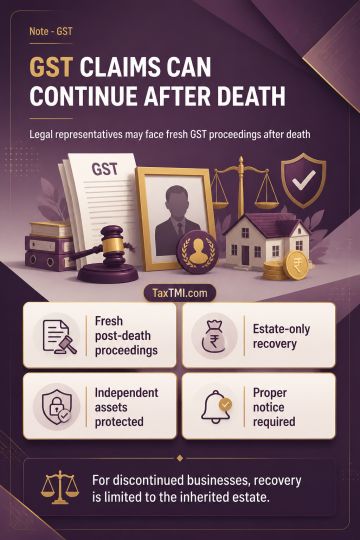
Post-death GST liability permits fresh proceedings against legal representatives, while discontinued-business recovery remains limited to the inherite...
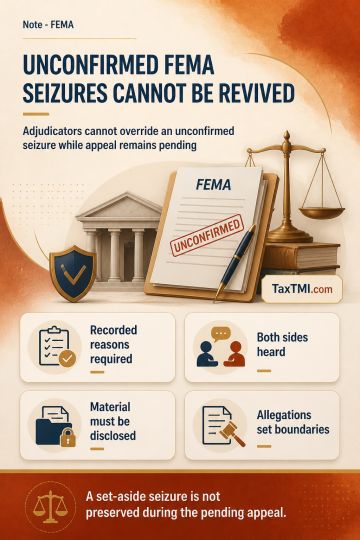
Non-confirmation of FEMA seizure prevents adjudicators from overriding pending appellate findings on recorded reasons and suspected foreign asset hold...
Assessee developed intangible assets by incurring expenditure and valued them based on historical cost as per Accounting Standard (AS)-26, which prescribes cost basis for internally generated intangible assets. Commissioner of Income Tax (CIT) erroneously believed assessee did not follow AS-26 and valuation method was incorrect. Tribunal held assessee's valuation method complied with AS-26, CIT's assumption of jurisdiction u/s 263 was flawed and based on incorrect understanding of AS-26. Regarding depreciation, expenses incurred for intangible assets were genuine business expenses. Disallowing depreciation would result in allowing expenses u/s 37(1), benefiting assessee. CIT did not address assessee's contentions properly. Tribunal set aside CIT's revisionary order as unsustainable in law.
Assessee developed intangible assets by incurring expenditure and valued them based on historical cost as per Accounting Standard (AS)-26, which prescribes cost basis for internally generated intangible assets. Commissioner of Income Tax (CIT) erroneously believed assessee did not follow AS-26 and valuation method was incorrect. Tribunal held assessee's valuation method complied with AS-26, CIT's assumption of jurisdiction u/s 263 was flawed and based on incorrect understanding of AS-26. Regarding depreciation, expenses incurred for intangible assets were genuine business expenses. Disallowing depreciation would result in allowing expenses u/s 37(1), benefiting assessee. CIT did not address assessee's contentions properly. Tribunal set aside CIT's revisionary order as unsustainable in law.
Note: It is a system-generated summary and is for quick reference only.
 TaxTMI
  TaxTMI