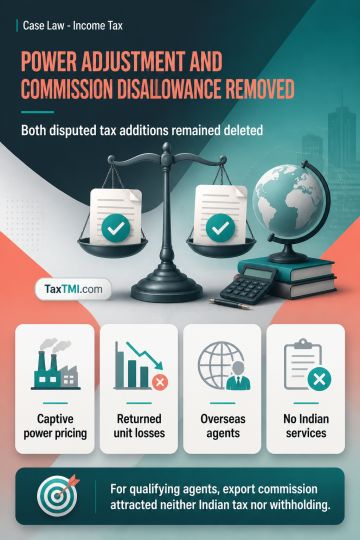
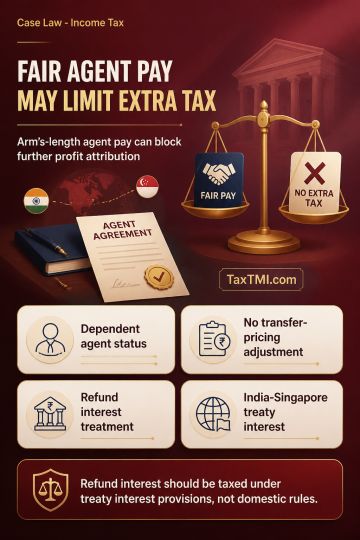
Captive power transfer pricing and non-resident export commission rules support deletion of adjustments and withholding disallowance in discussed proc...
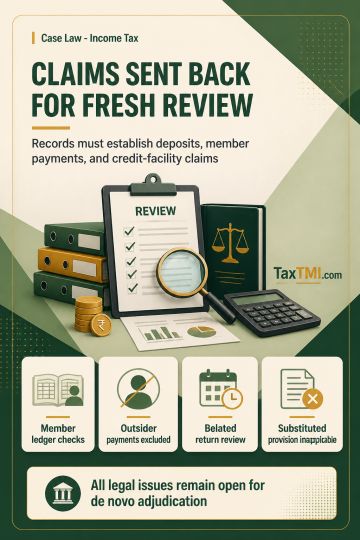
Cooperative society deposits, member-interest TDS exemption and credit-facility deduction claims require verification through records and supporting e...
Customs jurisdiction over EPCG condition breaches survives export-obligation discharge certificates, requiring alleged fraud and misdeclaration to be ...
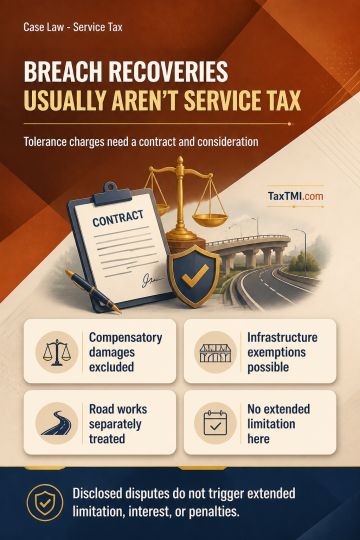
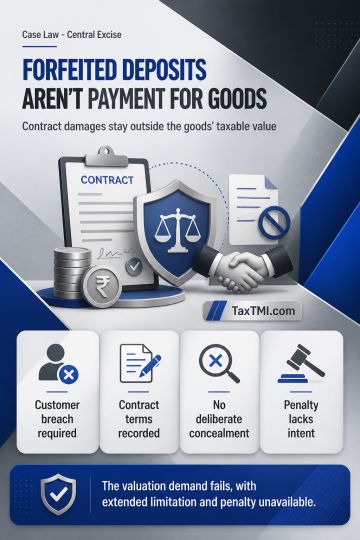
Contractual tolerance requires consideration; breach recoveries, qualifying public infrastructure services and road works escape service tax liability...
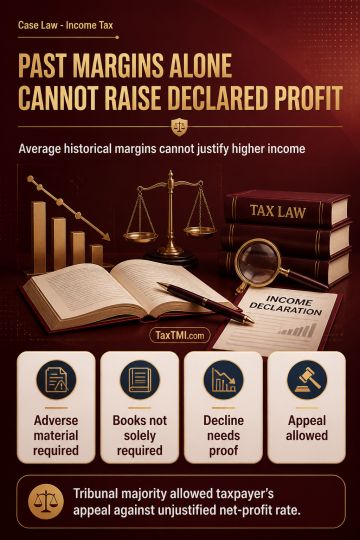
The ITAT addressed a case involving a change in accounting policy from Percentage of Completion Method (POCM) to Project Completion Method (PCM) for revenue recognition. The assessee declared a net loss due to the change and the AO added the financial impact as profit, resulting in a significantly higher profit than industry average. The ITAT directed the AO to verify the impact in financial statements for both current and previous years, ensuring correct profit calculation. It emphasized that a change in accounting method does not imply profit understatement, as it is a legitimate decision guided by accounting standards. The ITAT upheld the assessee's right to choose the accounting method and instructed the AO to reevaluate the issue, allowing the assessee a fair opportunity to present their case. The assessee's grounds were allowed for statistical purposes.
The ITAT addressed a case involving a change in accounting policy from Percentage of Completion Method (POCM) to Project Completion Method (PCM) for revenue recognition. The assessee declared a net loss due to the change and the AO added the financial impact as profit, resulting in a significantly higher profit than industry average. The ITAT directed the AO to verify the impact in financial statements for both current and previous years, ensuring correct profit calculation. It emphasized that a change in accounting method does not imply profit understatement, as it is a legitimate decision guided by accounting standards. The ITAT upheld the assessee's right to choose the accounting method and instructed the AO to reevaluate the issue, allowing the assessee a fair opportunity to present their case. The assessee's grounds were allowed for statistical purposes.
Note: It is a system-generated summary and is for quick reference only.
 TaxTMI
 of 4800






 Join Channel


 TaxTMI
