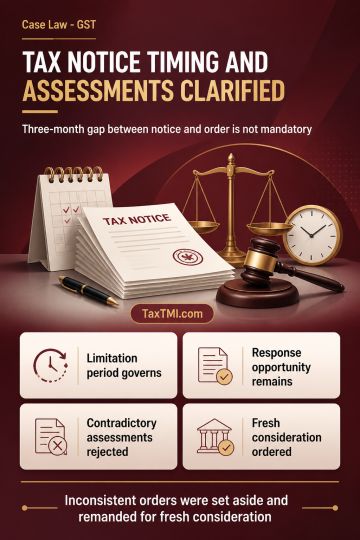
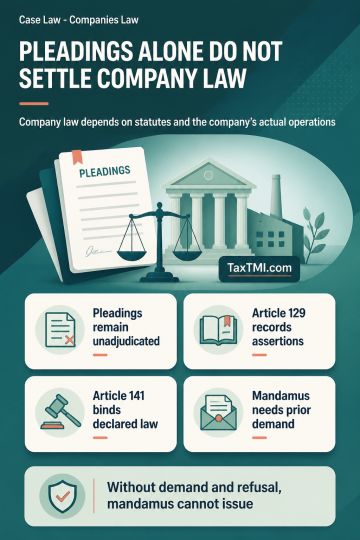
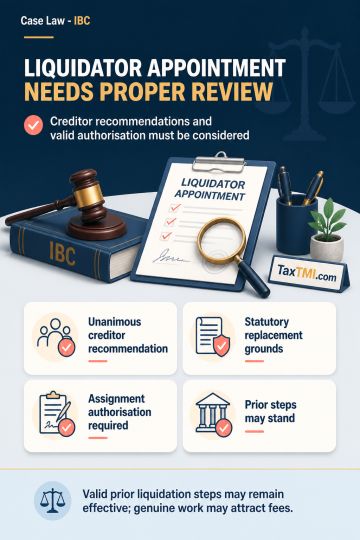
Liquidator appointment under Section 34 requires consideration of creditor recommendations, valid professional authorisation, and preservation of vali...
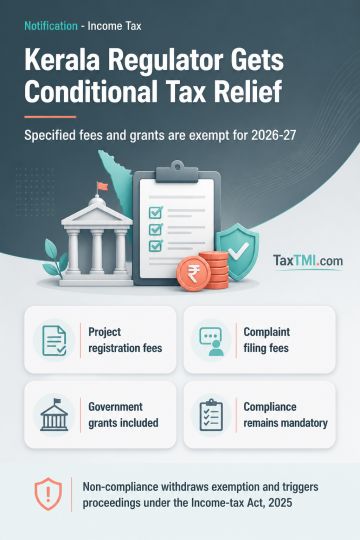
Income-tax exemption for specified regulatory fees and government grants applies subject to non-commercial activity and continuing compliance conditio...
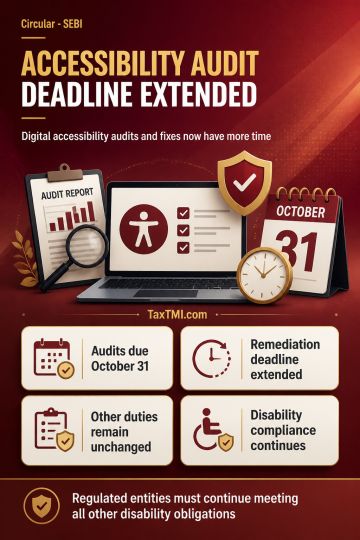
Digital accessibility audit and remediation deadlines extended, while all other disability-compliance obligations for regulated entities remain unchan...
Insolvency and BankruptcyJune 22, 2024Case LawsTri
The Tribunal addressed the maintainability of an application for initiation of Corporate Insolvency Resolution Process (CIRP) by an Operational Creditor (OC) against a Corporate Debtor (CD). The OC claimed default in payment by the CD but failed to provide invoices as evidence. Despite a demand notice under Section 8 of the IBC and a bank statement showing a partial payment, the Tribunal found the application time-barred as it was filed beyond the three-year limitation period from the alleged default date. The Tribunal emphasized the importance of proving debt and default before initiating CIRP, ultimately rejecting the application under Section 9 of the IBC.
The Tribunal addressed the maintainability of an application for initiation of Corporate Insolvency Resolution Process (CIRP) by an Operational Creditor (OC) against a Corporate Debtor (CD). The OC claimed default in payment by the CD but failed to provide invoices as evidence. Despite a demand notice under Section 8 of the IBC and a bank statement showing a partial payment, the Tribunal found the application time-barred as it was filed beyond the three-year limitation period from the alleged default date. The Tribunal emphasized the importance of proving debt and default before initiating CIRP, ultimately rejecting the application under Section 9 of the IBC.
Note: It is a system-generated summary and is for quick reference only.
 TaxTMI
 of 4782




 Join Channel


 TaxTMI