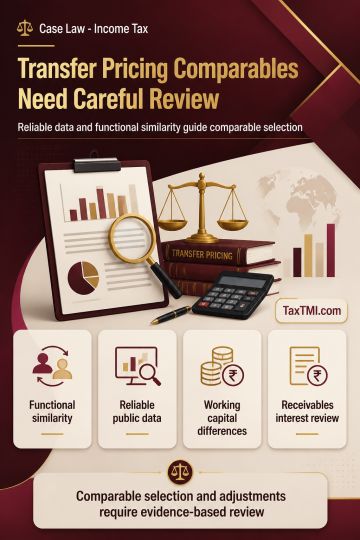
Transfer pricing comparability requires functional alignment, reliable financial data, and careful review of working capital and receivables adjustmen...
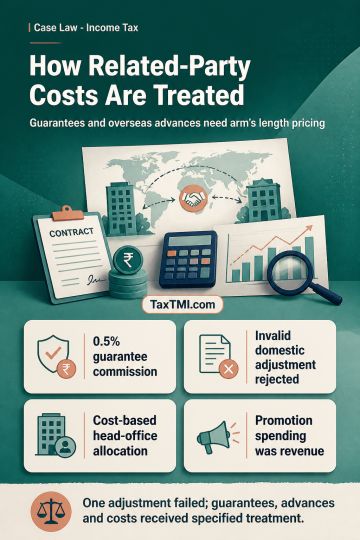
Transfer pricing rules require benchmarking corporate guarantees and associated-enterprise advances, while invalid domestic-transaction adjustments ca...
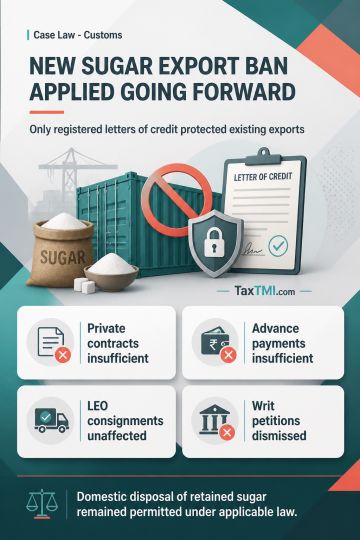
Prospective sugar export prohibition required registered letters of credit; private contracts and export quotas created no enforceable continuation ri...
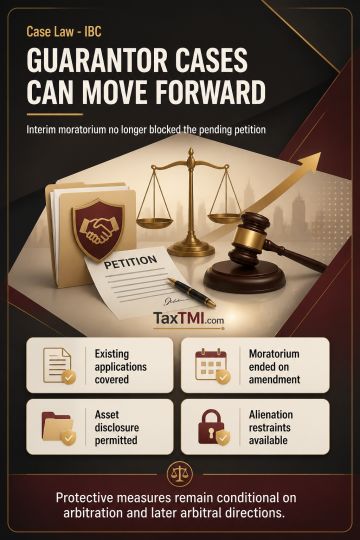
Retroactive interim-moratorium exclusion permits protective asset disclosure and preservation measures against personal guarantors pending arbitration...
The Appellate Tribunal addressed undisclosed sales and net profit determination. The CIT(A) limited the addition to the net profit element, with the Revenue arguing for a 12.5% rate instead of 8%. Incriminating material was found during a search at the director's residence, indicating off-the-books sales. The Tribunal ruled that a higher net profit rate must be justified based on business nature and facts, not arbitrarily. The Revenue failed to provide a reasonable basis for the 12.5% rate, and the High Court decision cited did not align with the assessee's activities. The Tribunal rejected the Revenue's argument, upholding the CIT(A)'s decision.
The Appellate Tribunal addressed undisclosed sales and net profit determination. The CIT(A) limited the addition to the net profit element, with the Revenue arguing for a 12.5% rate instead of 8%. Incriminating material was found during a search at the director's residence, indicating off-the-books sales. The Tribunal ruled that a higher net profit rate must be justified based on business nature and facts, not arbitrarily. The Revenue failed to provide a reasonable basis for the 12.5% rate, and the High Court decision cited did not align with the assessee's activities. The Tribunal rejected the Revenue's argument, upholding the CIT(A)'s decision.
Note: It is a system-generated summary and is for quick reference only.
 TaxTMI
 of 4784



 Join Channel


 TaxTMI