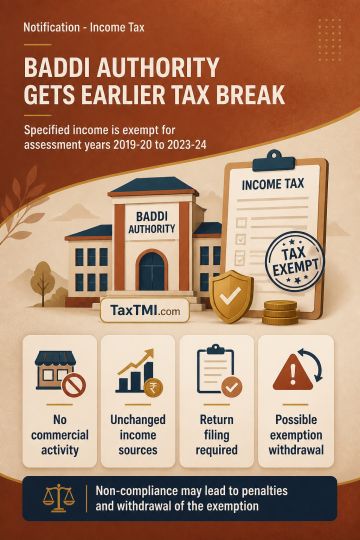
Specified development authority income receives retrospective tax exemption, subject to non-commercial activity, unchanged income sources, and return-...
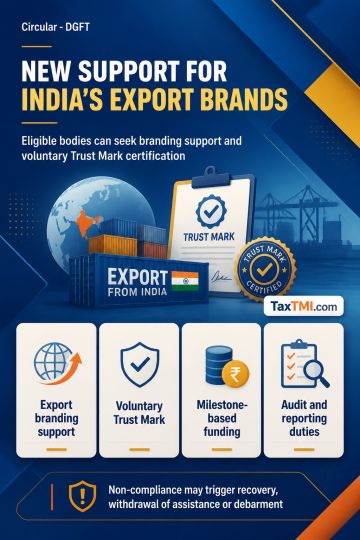
Unified Brand India framework introduces voluntary Trust Mark certification and funding support for export branding, packaging and global promotional ...
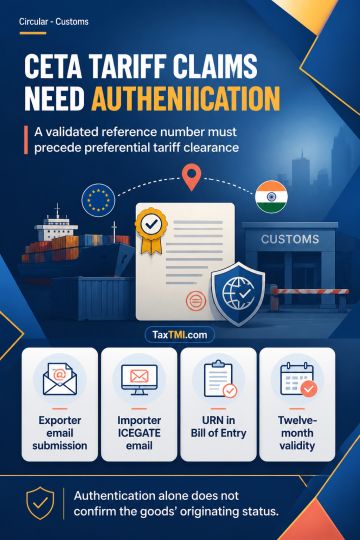
Origin Declaration authentication governs preferential tariff claims under India-UK CETA, requiring a validated reference number before import clearan...
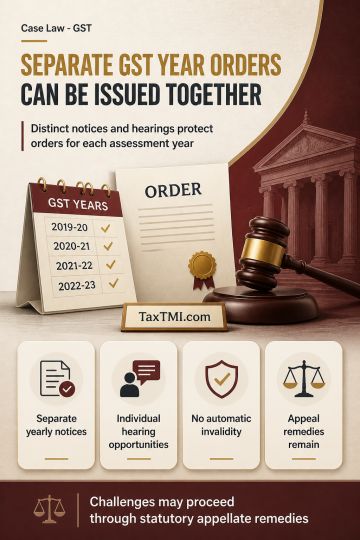
Separate assessment orders for different years remain valid when distinct notices and hearing opportunities prevent prejudice from combined proceeding...
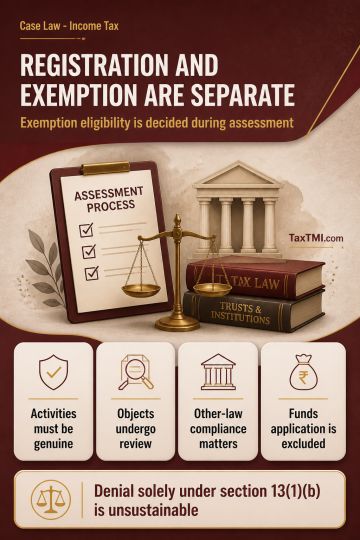
Defined public benefit can retain charitable character; registration renewal requires examining genuine activities and legal compliance, not surplus a...
Capital reduction is distinct from share buy-back, preventing buy-back tax; restructuring interest and related business deductions also survive scruti...
The case involves a dispute over the valuation of imported goods declared as Bovine Leather Upholster Sofa. The Appellate Tribunal, u/s 14 of the Customs Act and Customs Valuation Rules, held that the transaction value should be accepted unless valid reasons exist for rejection. It criticized the enhancement of value by the Commissioner (Appeals) without notice, citing the principle that decisions should be based on pleadings. The Tribunal emphasized that the burden of proof lies with the Department to show the declared price is inaccurate. Relying on a departmental circular or market survey for valuation was deemed unlawful. Citing precedent, the Tribunal set aside the order and allowed the appeal.
The case involves a dispute over the valuation of imported goods declared as Bovine Leather Upholster Sofa. The Appellate Tribunal, u/s 14 of the Customs Act and Customs Valuation Rules, held that the transaction value should be accepted unless valid reasons exist for rejection. It criticized the enhancement of value by the Commissioner (Appeals) without notice, citing the principle that decisions should be based on pleadings. The Tribunal emphasized that the burden of proof lies with the Department to show the declared price is inaccurate. Relying on a departmental circular or market survey for valuation was deemed unlawful. Citing precedent, the Tribunal set aside the order and allowed the appeal.
Note: It is a system-generated summary and is for quick reference only.
 TaxTMI
 of 4788










 Join Channel


 TaxTMI
