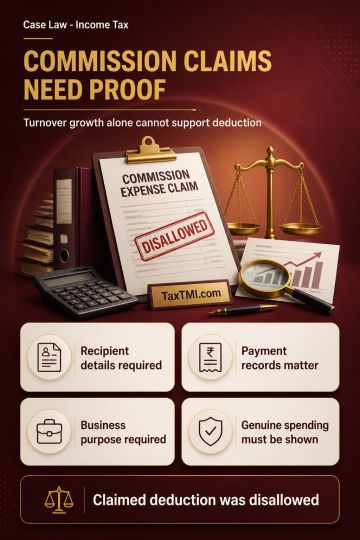
Business expenditure deduction requires proof of genuine commission payments and commercial allowability; turnover growth alone cannot validate the cl...
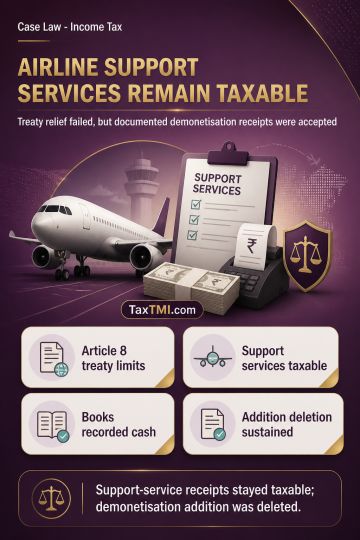
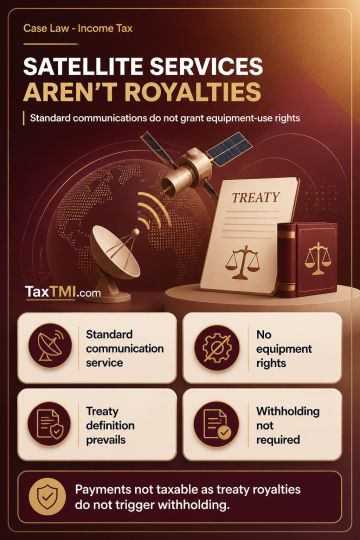
Article 8 treaty coverage excluded third-party airline support services, while documented demonetisation cash receipts remained accepted business inco...
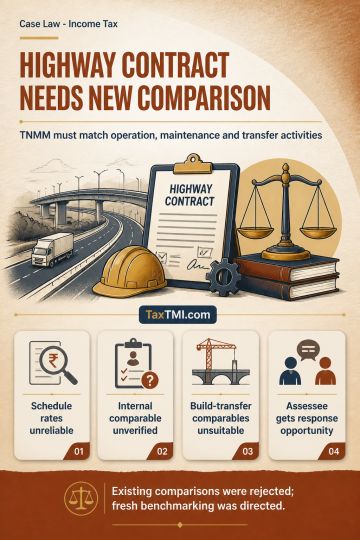
Functional comparability under TNMM requires highway contract benchmarks to reflect operation, maintenance and transfer activities, requiring fresh be...
The Appellate Tribunal considered the entitlement to duty exemption u/s N/N. 25/2023-CUS for the import of Lithium Ion Battery under a Transferrable DFIA License. The issue was whether the battery falls under the description of "Automative Battery" as per the license. The respondent argued that the imported Lithium Battery is a type of automotive battery, supported by a certificate from IIT engineers. The Tribunal emphasized the "capability of use" of the battery, not just similarity to other automotive batteries. It upheld that the DFIA scheme allows for broad categorization under "capable of being used in electrical vehicles." The appeal by the Department was dismissed, granting relief to the respondent.
The Appellate Tribunal considered the entitlement to duty exemption u/s N/N. 25/2023-CUS for the import of Lithium Ion Battery under a Transferrable DFIA License. The issue was whether the battery falls under the description of "Automative Battery" as per the license. The respondent argued that the imported Lithium Battery is a type of automotive battery, supported by a certificate from IIT engineers. The Tribunal emphasized the "capability of use" of the battery, not just similarity to other automotive batteries. It upheld that the DFIA scheme allows for broad categorization under "capable of being used in electrical vehicles." The appeal by the Department was dismissed, granting relief to the respondent.
Note: It is a system-generated summary and is for quick reference only.
 TaxTMI
 of 4803



 Join Channel


 TaxTMI