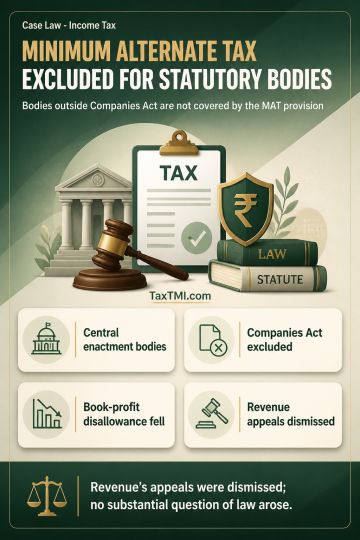
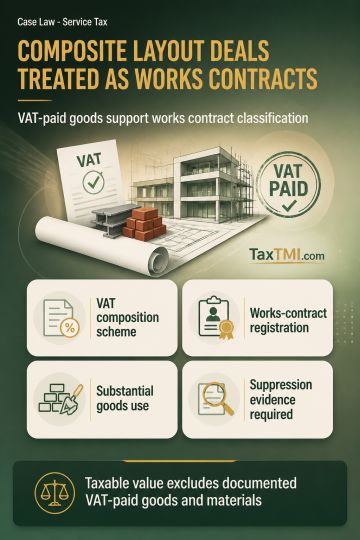
Works contract classification governs composite layout-development contracts where VAT-paid goods are transferred alongside construction and infrastru...
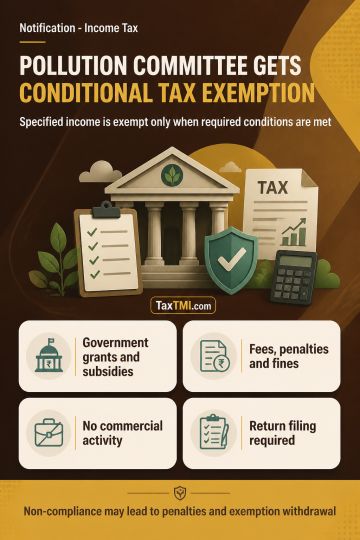
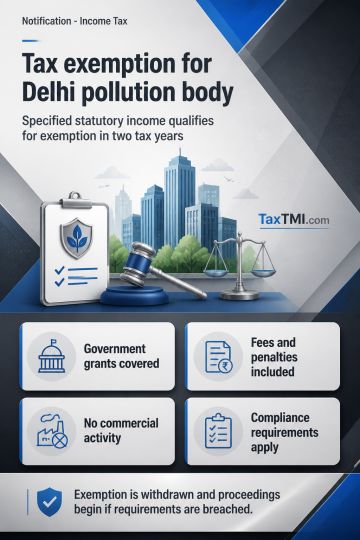
Specified income tax exemption for pollution control body remains conditional on non-commercial activity, unchanged income character, and return filin...
Jurisdictional facts in certificate-of-origin discrepancies can support customs show-cause proceedings, leaving factual explanations for departmental ...
The High Court addressed the issue of dishonour of cheque and compounding of the matter. Referring to a Supreme Court case, it discussed the scope of Section 138 of the Negotiable Instruments Act and compounding under Section 147. The court recognized that proceedings u/s 138 are civil in nature with criminal implications. It noted that once the accused settled the liability, compounding under Section 147 was a genuine step towards justice. The court found that the accused and complainant had resolved the dispute, with the complainant having no further grievances as the accused had fulfilled his liability u/s 138. Consequently, the petition was disposed of.
The High Court addressed the issue of dishonour of cheque and compounding of the matter. Referring to a Supreme Court case, it discussed the scope of Section 138 of the Negotiable Instruments Act and compounding under Section 147. The court recognized that proceedings u/s 138 are civil in nature with criminal implications. It noted that once the accused settled the liability, compounding under Section 147 was a genuine step towards justice. The court found that the accused and complainant had resolved the dispute, with the complainant having no further grievances as the accused had fulfilled his liability u/s 138. Consequently, the petition was disposed of.
Note: It is a system-generated summary and is for quick reference only.
 TaxTMI
 of 4805







 Join Channel


 TaxTMI