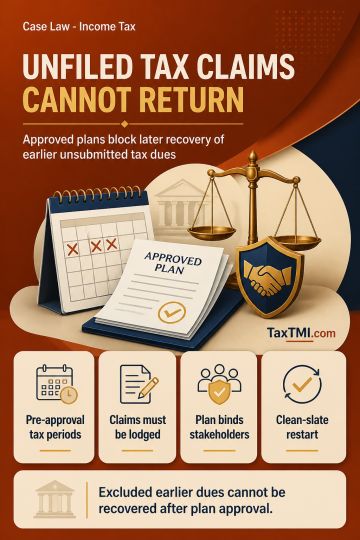
Approved resolution plans extinguish unsubmitted pre-approval tax claims, preventing later recovery outside the insolvency process and preserving a cl...
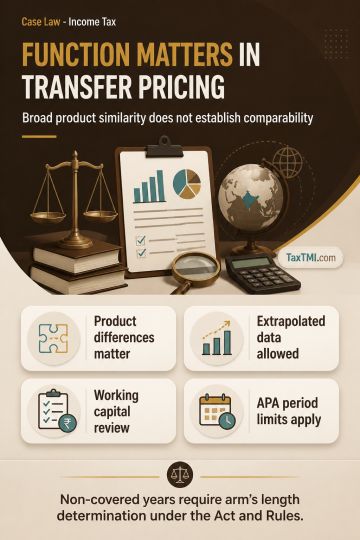
Transfer pricing comparability requires functional alignment and permits working capital adjustment, while APA margins cannot govern non-covered years...
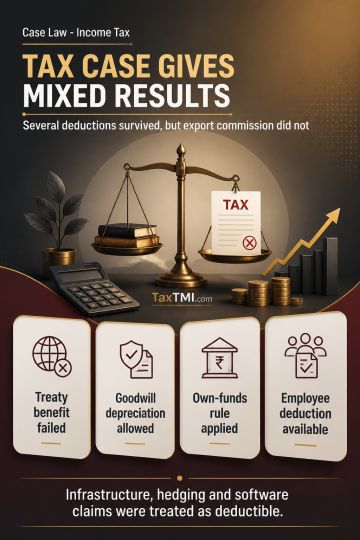
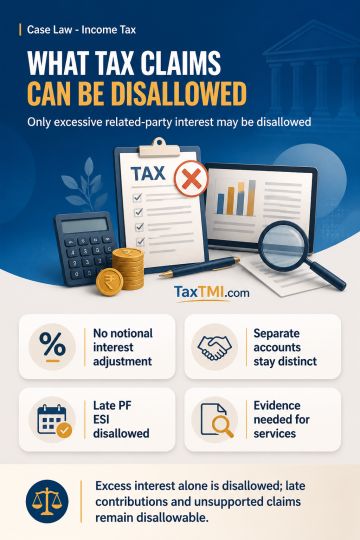
Treaty benefit, goodwill depreciation and hedging costs: export commission disallowed, while key business deductions and depreciation claims succeeded...
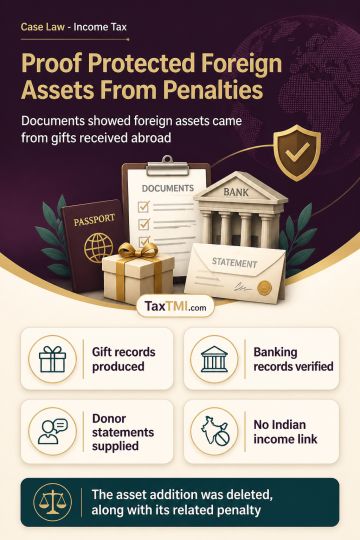
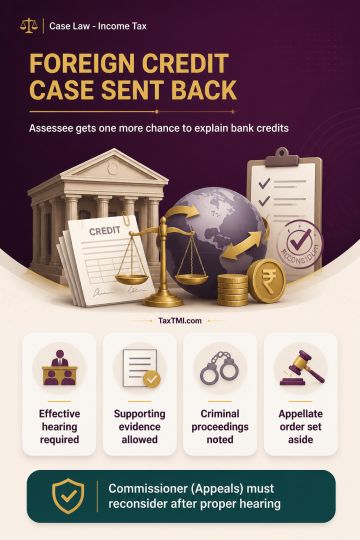
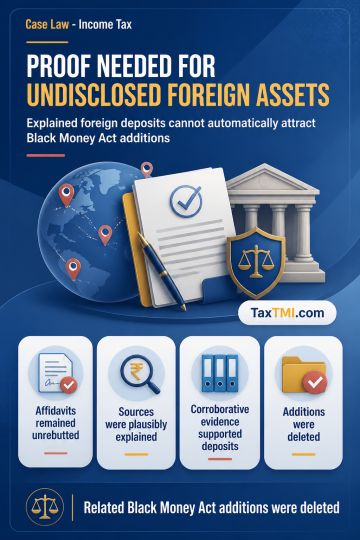
Undisclosed foreign asset classification requires an unexplained source; unrebutted affidavits and corroborative evidence defeated the Black Money Act...
The High Court addressed the issue of dishonour of cheque and compounding of the matter. Referring to a Supreme Court case, it discussed the scope of Section 138 of the Negotiable Instruments Act and compounding under Section 147. The court recognized that proceedings u/s 138 are civil in nature with criminal implications. It noted that once the accused settled the liability, compounding under Section 147 was a genuine step towards justice. The court found that the accused and complainant had resolved the dispute, with the complainant having no further grievances as the accused had fulfilled his liability u/s 138. Consequently, the petition was disposed of.
The High Court addressed the issue of dishonour of cheque and compounding of the matter. Referring to a Supreme Court case, it discussed the scope of Section 138 of the Negotiable Instruments Act and compounding under Section 147. The court recognized that proceedings u/s 138 are civil in nature with criminal implications. It noted that once the accused settled the liability, compounding under Section 147 was a genuine step towards justice. The court found that the accused and complainant had resolved the dispute, with the complainant having no further grievances as the accused had fulfilled his liability u/s 138. Consequently, the petition was disposed of.
Note: It is a system-generated summary and is for quick reference only.
 TaxTMI
 of 4803







 Join Channel


 TaxTMI