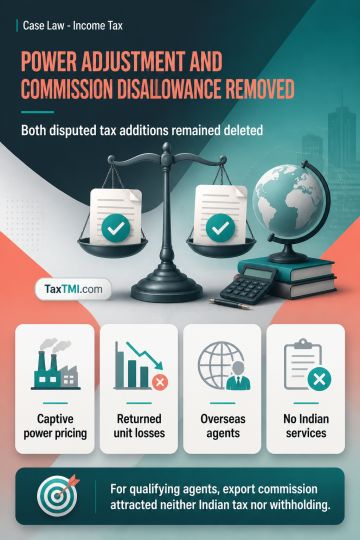
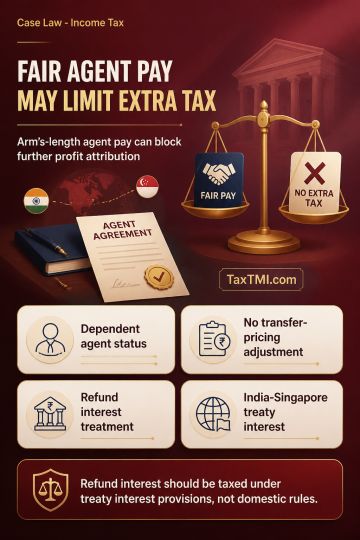
Captive power transfer pricing and non-resident export commission rules support deletion of adjustments and withholding disallowance in discussed proc...
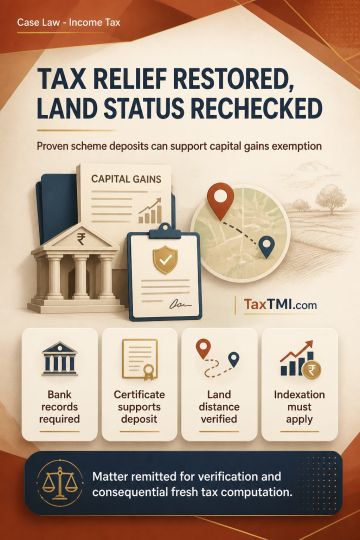
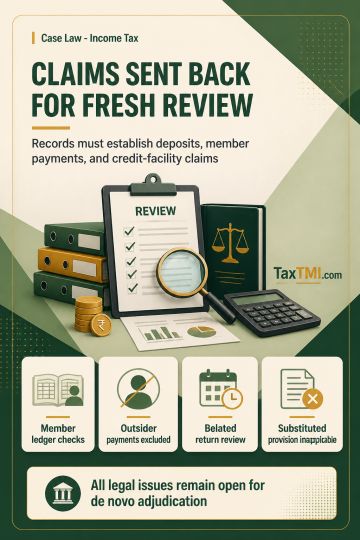
Cooperative society deposits, member-interest TDS exemption and credit-facility deduction claims require verification through records and supporting e...
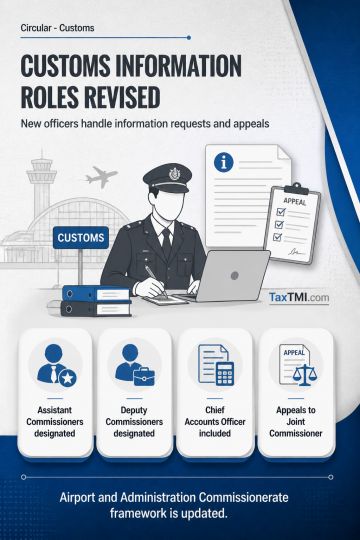
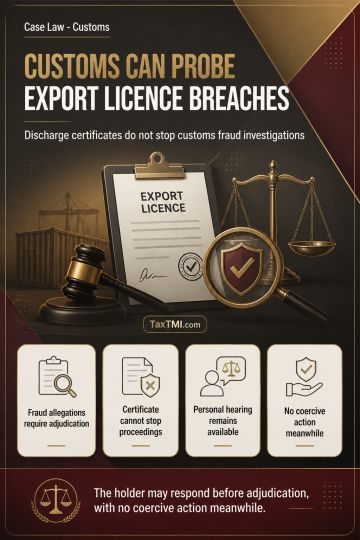
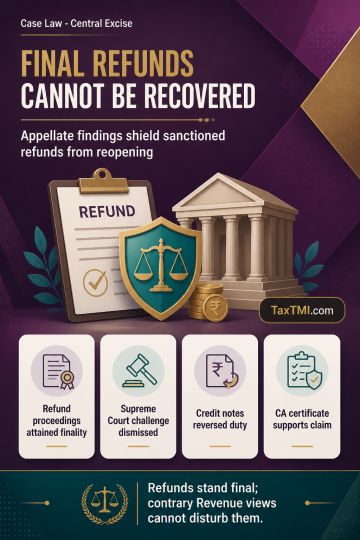
Customs jurisdiction over EPCG condition breaches survives export-obligation discharge certificates, requiring alleged fraud and misdeclaration to be ...
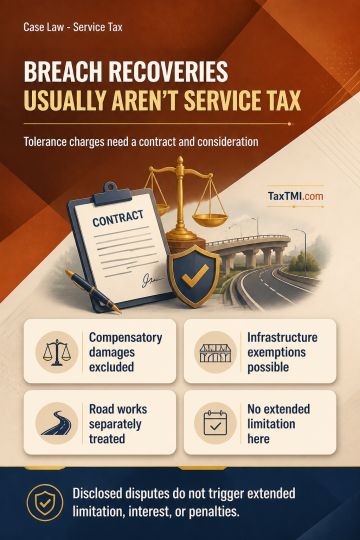
Contractual tolerance requires consideration; breach recoveries, qualifying public infrastructure services and road works escape service tax liability...
The High Court addressed the issue of dishonour of cheque and compounding of the matter. Referring to a Supreme Court case, it discussed the scope of Section 138 of the Negotiable Instruments Act and compounding under Section 147. The court recognized that proceedings u/s 138 are civil in nature with criminal implications. It noted that once the accused settled the liability, compounding under Section 147 was a genuine step towards justice. The court found that the accused and complainant had resolved the dispute, with the complainant having no further grievances as the accused had fulfilled his liability u/s 138. Consequently, the petition was disposed of.
The High Court addressed the issue of dishonour of cheque and compounding of the matter. Referring to a Supreme Court case, it discussed the scope of Section 138 of the Negotiable Instruments Act and compounding under Section 147. The court recognized that proceedings u/s 138 are civil in nature with criminal implications. It noted that once the accused settled the liability, compounding under Section 147 was a genuine step towards justice. The court found that the accused and complainant had resolved the dispute, with the complainant having no further grievances as the accused had fulfilled his liability u/s 138. Consequently, the petition was disposed of.
Note: It is a system-generated summary and is for quick reference only.
 TaxTMI
 of 4798






 Join Channel


 TaxTMI