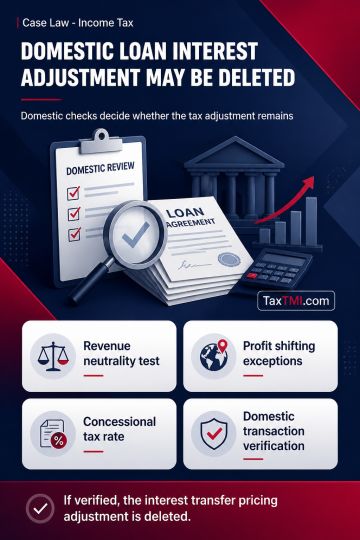
Revenue neutrality in domestic related-party loans can require deletion of interest transfer pricing adjustments after domestic-transaction verificati...
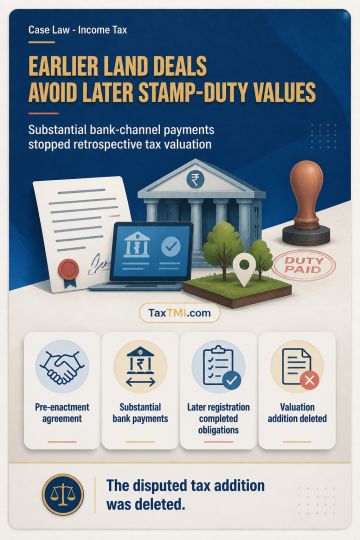
Pre-enactment land-sale agreements escape stamp-duty value substitution where substantial banking-channel consideration was received before Section 43...
The Calcutta High Court considered the applicability of a moratorium order from the U.S. Bankruptcy Court in India, focusing on principles of Comity of Nations and Courts. The Court held that while the inherent power of the Court was invoked for stay of the suit, the suit did not fall under insolvency categories covered by the U.S. Chapter 11 cases. Referring to a previous case, the Court emphasized that the suit could continue as it did not involve claims under Chapter 11. The Court recognized the principle of Comity of Nations and Courts but noted that the U.S. moratorium order did not supersede the management, allowing them to contest the suit. The revisional application was dismissed.
The Calcutta High Court considered the applicability of a moratorium order from the U.S. Bankruptcy Court in India, focusing on principles of Comity of Nations and Courts. The Court held that while the inherent power of the Court was invoked for stay of the suit, the suit did not fall under insolvency categories covered by the U.S. Chapter 11 cases. Referring to a previous case, the Court emphasized that the suit could continue as it did not involve claims under Chapter 11. The Court recognized the principle of Comity of Nations and Courts but noted that the U.S. moratorium order did not supersede the management, allowing them to contest the suit. The revisional application was dismissed.
Note: It is a system-generated summary and is for quick reference only.
 TaxTMI
 of 4788





 Join Channel


 TaxTMI
