Cooperative society deposits, member-interest TDS exemption and credit-facility deduction claims require verification through records and supporting e...
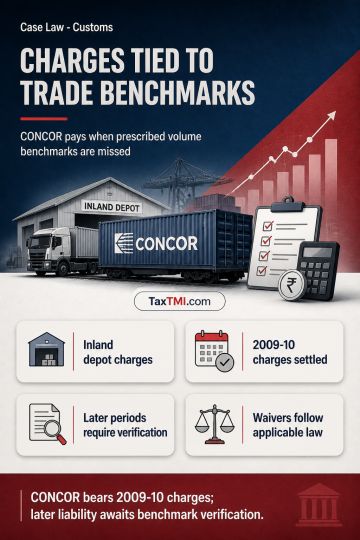
Customs jurisdiction over EPCG condition breaches survives export-obligation discharge certificates, requiring alleged fraud and misdeclaration to be ...
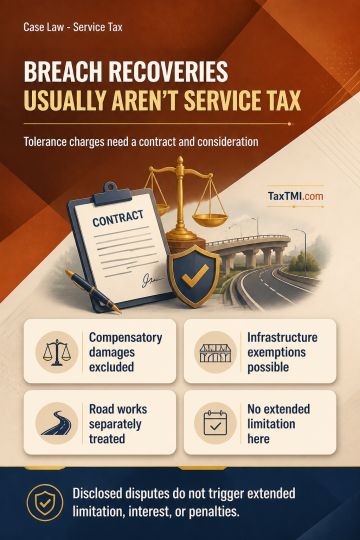
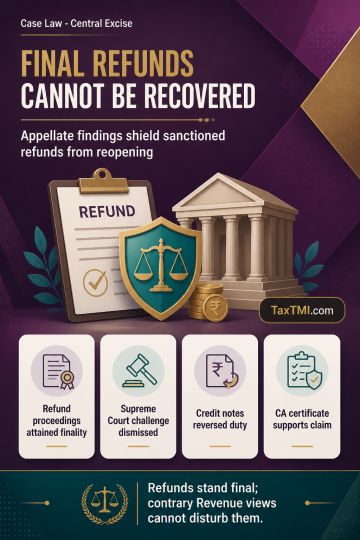
Contractual tolerance requires consideration; breach recoveries, qualifying public infrastructure services and road works escape service tax liability...
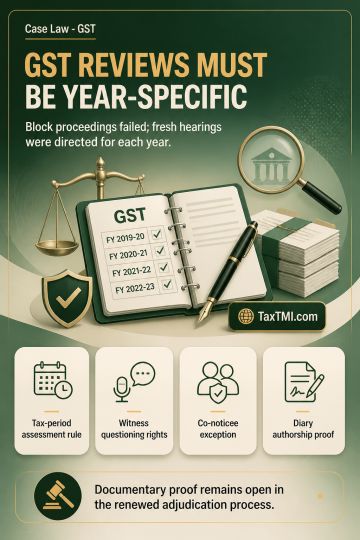
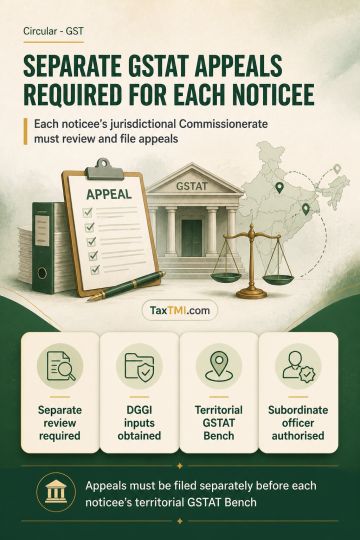
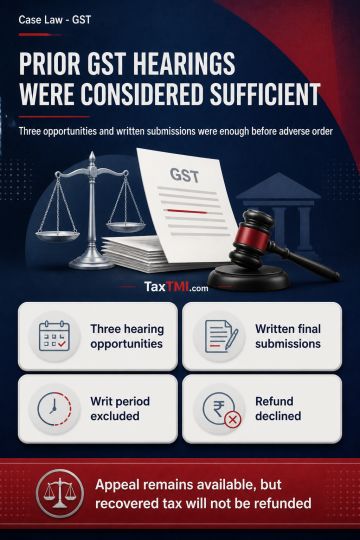
Personal hearing requirements in GST adjudication were satisfied by prior opportunities and written submissions; appellate limitation received writ-pe...
The Delhi High Court addressed the consolidation of multiple offences in a complaint u/s 138 of the Negotiable Instruments Act, 1881. It interpreted Section 219 of the CrPC in light of a Supreme Court judgment recommending trials for similar offences within 12 months. The court clarified that sending a single notice of demand for multiple dishonored cheques doesn't affect the consolidation of offences. It emphasized the importance of cause of action in maintaining a complaint u/s 138 of the NI Act. The judgment affirmed that multiple cheques from the same transaction can be tried together u/s 220 of the CrPC. The appeal was dismissed.
The Delhi High Court addressed the consolidation of multiple offences in a complaint u/s 138 of the Negotiable Instruments Act, 1881. It interpreted Section 219 of the CrPC in light of a Supreme Court judgment recommending trials for similar offences within 12 months. The court clarified that sending a single notice of demand for multiple dishonored cheques doesn't affect the consolidation of offences. It emphasized the importance of cause of action in maintaining a complaint u/s 138 of the NI Act. The judgment affirmed that multiple cheques from the same transaction can be tried together u/s 220 of the CrPC. The appeal was dismissed.
Note: It is a system-generated summary and is for quick reference only.
 TaxTMI
 of 4792












 Join Channel


 TaxTMI