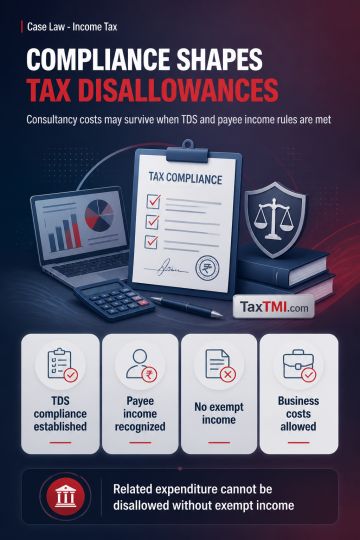
Tax deduction compliance and payee income recognition govern consultancy disallowance, while no exempt income prevents related expenditure disallowanc...
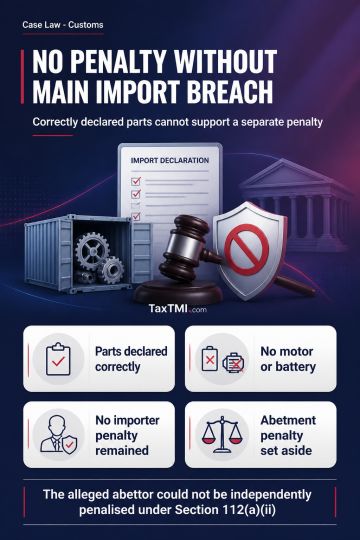
Derivative abetment liability fails when correctly declared imported components establish no underlying improper importation by the principal importer...
The Delhi High Court addressed the consolidation of multiple offences in a complaint u/s 138 of the Negotiable Instruments Act, 1881. It interpreted Section 219 of the CrPC in light of a Supreme Court judgment recommending trials for similar offences within 12 months. The court clarified that sending a single notice of demand for multiple dishonored cheques doesn't affect the consolidation of offences. It emphasized the importance of cause of action in maintaining a complaint u/s 138 of the NI Act. The judgment affirmed that multiple cheques from the same transaction can be tried together u/s 220 of the CrPC. The appeal was dismissed.
The Delhi High Court addressed the consolidation of multiple offences in a complaint u/s 138 of the Negotiable Instruments Act, 1881. It interpreted Section 219 of the CrPC in light of a Supreme Court judgment recommending trials for similar offences within 12 months. The court clarified that sending a single notice of demand for multiple dishonored cheques doesn't affect the consolidation of offences. It emphasized the importance of cause of action in maintaining a complaint u/s 138 of the NI Act. The judgment affirmed that multiple cheques from the same transaction can be tried together u/s 220 of the CrPC. The appeal was dismissed.
Note: It is a system-generated summary and is for quick reference only.
 TaxTMI
 of 4786











 Join Channel


 TaxTMI