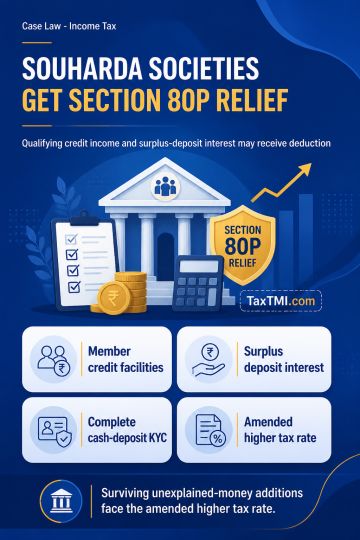
Section 80P deduction covers Souharda credit societies, including qualifying surplus-deposit interest, subject to member KYC verification for cash dep...
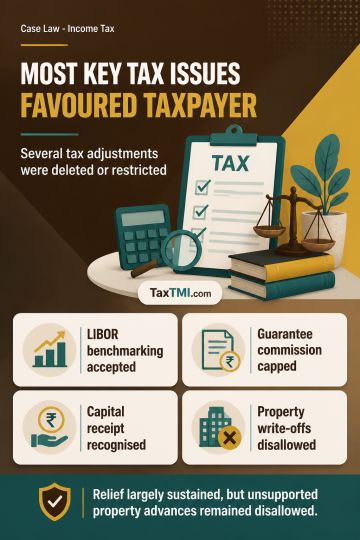
Transfer-pricing benchmarking and capital-receipt principles sustained taxpayer relief, while unsupported property-advance write-offs remained disallo...
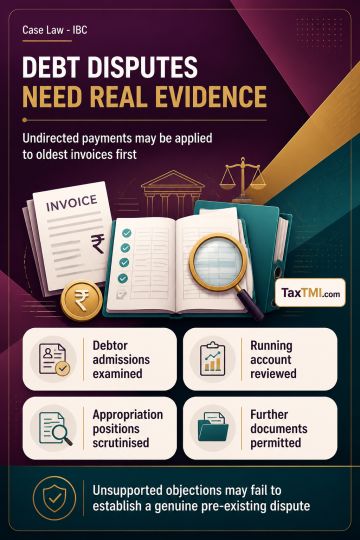
Pre-existing operational debt disputes require genuine evidence, while undirected running-account payments may be appropriated on a first-in-first-out...
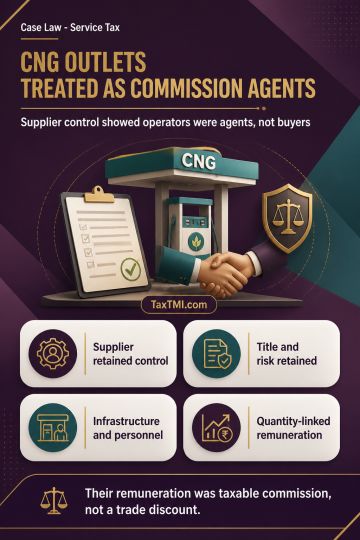
Agency in CNG distribution makes outlet operators commission agents, rendering taxable Business Auxiliary Service rather than purchasing goods for res...
In the case before ITAT Delhi, the issue pertained to the addition u/s 68 concerning the taxability of unsecured loans. The tribunal held that the Assessing Officer (AO) failed to conduct an independent inquiry as the assessee did not provide necessary details. The CIT(A) did not investigate or allow the AO to verify the creditworthiness of the parties and the genuineness of the transactions. Referring to legal precedents, the tribunal emphasized that proving the identity of creditors, genuineness of transactions, and creditworthiness discharges the assessee's burden. The burden then shifts to the revenue to prove ownership of the amounts. The tribunal concluded that the documents filed by the assessee were not adequately examined, warranting a reasonable opportunity for the assessee to address any shortcomings. The Revenue's appeal was allowed for statistical purposes.
In the case before ITAT Delhi, the issue pertained to the addition u/s 68 concerning the taxability of unsecured loans. The tribunal held that the Assessing Officer (AO) failed to conduct an independent inquiry as the assessee did not provide necessary details. The CIT(A) did not investigate or allow the AO to verify the creditworthiness of the parties and the genuineness of the transactions. Referring to legal precedents, the tribunal emphasized that proving the identity of creditors, genuineness of transactions, and creditworthiness discharges the assessee's burden. The burden then shifts to the revenue to prove ownership of the amounts. The tribunal concluded that the documents filed by the assessee were not adequately examined, warranting a reasonable opportunity for the assessee to address any shortcomings. The Revenue's appeal was allowed for statistical purposes.
Note: It is a system-generated summary and is for quick reference only.
 TaxTMI
 of 4792







 Join Channel


 TaxTMI
