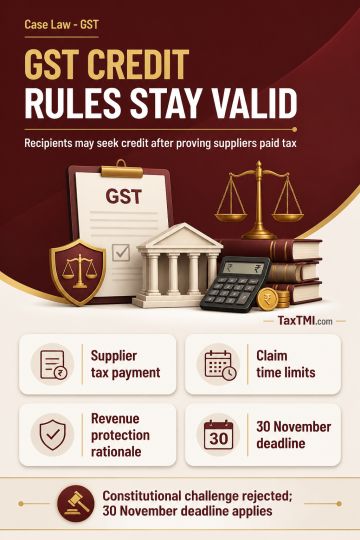
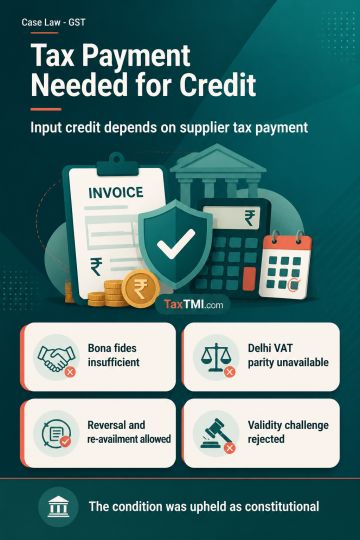
Input tax credit conditions remain constitutionally valid, with eligible recipient claims considered under GST circulars and retrospective filing dead...
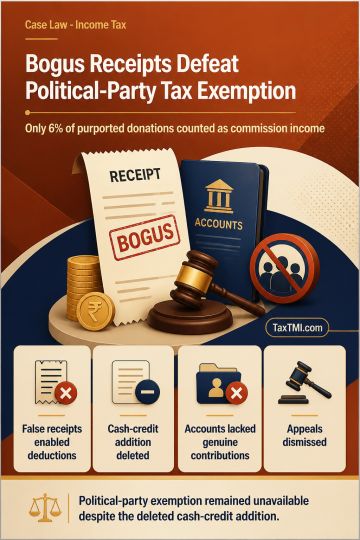
Bogus donation receipts justified commission income assessment and defeated political-party tax exemption for inaccurate accounts and reporting failur...
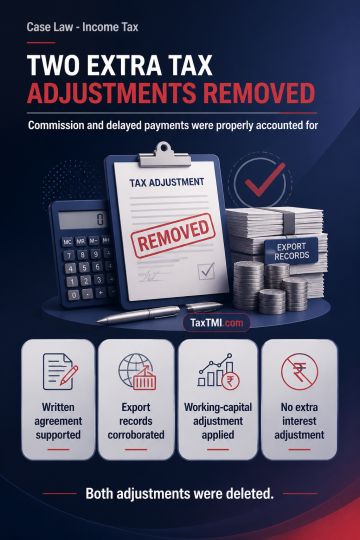
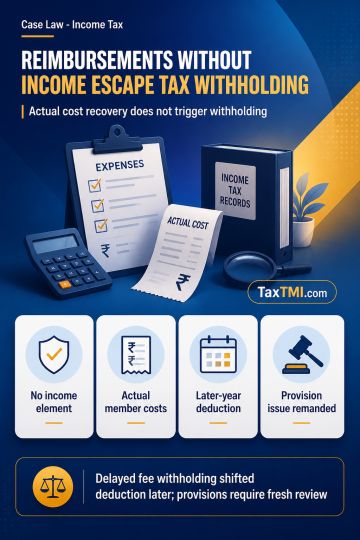
Pure reimbursement without income element escapes tax withholding, while delayed withholding and unsupported provisions face deferred or renewed scrut...
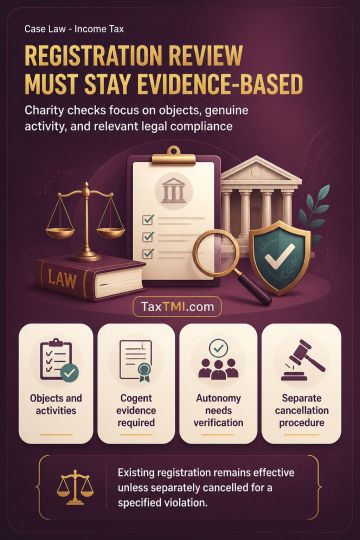
Public benefit requirement defeats charitable registration where residents' association services are reciprocal, member-only facilities governed by mu...
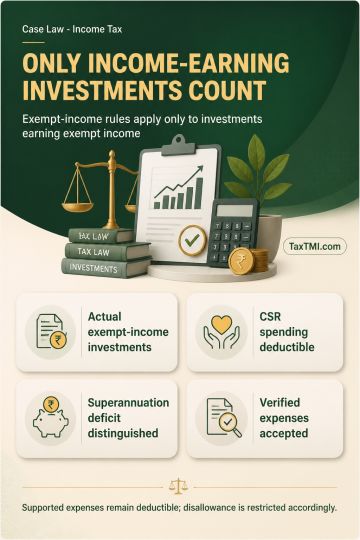
Exempt-income expenditure disallowance is confined to investments that actually generated exempt income, while supported business expenses remain dedu...
In the case before ITAT Delhi, the issue pertained to the addition u/s 68 concerning the taxability of unsecured loans. The tribunal held that the Assessing Officer (AO) failed to conduct an independent inquiry as the assessee did not provide necessary details. The CIT(A) did not investigate or allow the AO to verify the creditworthiness of the parties and the genuineness of the transactions. Referring to legal precedents, the tribunal emphasized that proving the identity of creditors, genuineness of transactions, and creditworthiness discharges the assessee's burden. The burden then shifts to the revenue to prove ownership of the amounts. The tribunal concluded that the documents filed by the assessee were not adequately examined, warranting a reasonable opportunity for the assessee to address any shortcomings. The Revenue's appeal was allowed for statistical purposes.
In the case before ITAT Delhi, the issue pertained to the addition u/s 68 concerning the taxability of unsecured loans. The tribunal held that the Assessing Officer (AO) failed to conduct an independent inquiry as the assessee did not provide necessary details. The CIT(A) did not investigate or allow the AO to verify the creditworthiness of the parties and the genuineness of the transactions. Referring to legal precedents, the tribunal emphasized that proving the identity of creditors, genuineness of transactions, and creditworthiness discharges the assessee's burden. The burden then shifts to the revenue to prove ownership of the amounts. The tribunal concluded that the documents filed by the assessee were not adequately examined, warranting a reasonable opportunity for the assessee to address any shortcomings. The Revenue's appeal was allowed for statistical purposes.
Note: It is a system-generated summary and is for quick reference only.
 TaxTMI
 of 4786




 Join Channel


 TaxTMI