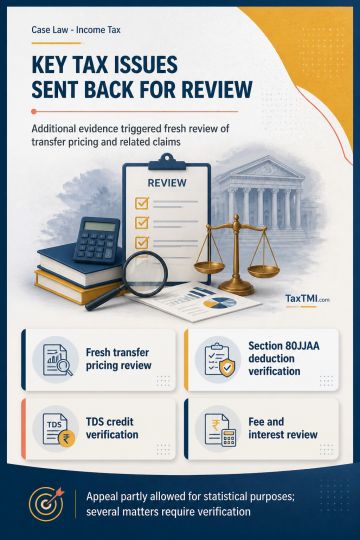
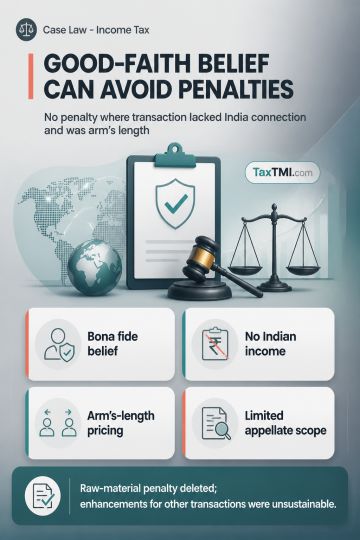
Additional evidence in transfer pricing dispute leads to fresh examination, while tax deductions, TDS credit, fee and refund interest require verifica...
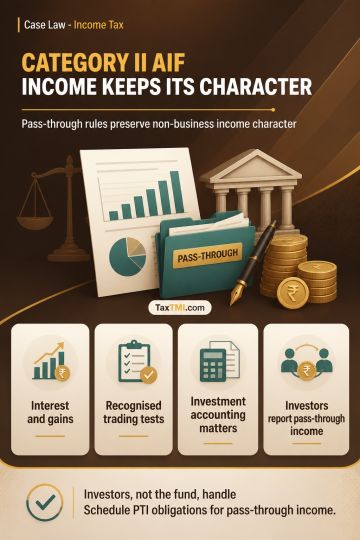
Category II AIF pass-through taxation preserves non-business income character; investment receipts cannot be reclassified without applying recognised ...
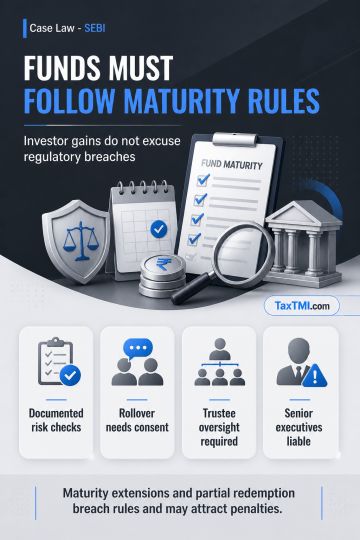
Mutual fund maturity rules require proper rollover, redemption, disclosure, and due diligence; investor gains cannot excuse regulatory breaches or pen...
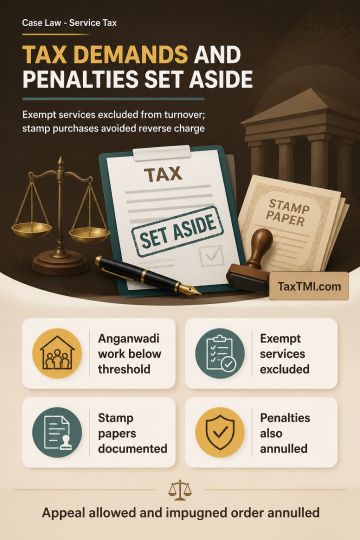
Threshold exemption excludes exempt services, while stamp-paper purchases avoid reverse charge; consequential service tax penalties were also set asid...
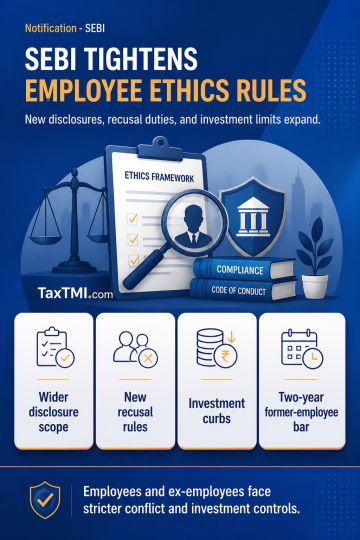
Employee conflict disclosures and investment restrictions expand with new recusal duties, post-employment limits, and compliance reporting requirement...
The case involved a dispute over the writ jurisdiction of the High Court post privatization of (AIL) by a private corporate entity. - Erstwhile Public sector undertaking (PSU) - The issue was whether the High Court could exercise writ jurisdiction over a private entity. The employee-writ petitioner argued that the petition was maintainable against the respondent at the time of filing. Various High Courts had held that a government company becoming a private entity would make it immune from writ jurisdiction. The Supreme Court held that the High Court could not issue a writ to a private entity that had taken over during the pendency of the case. The delay in disposal of the writ petitions was considered a valid ground to continue the case, but the appellants were directed to seek remedy from another forum. The appeal was dismissed, upholding the decision of the Bombay High Court to deny equitable relief and require the appellants to approach the appropriate forum for their grievances.
The case involved a dispute over the writ jurisdiction of the High Court post privatization of (AIL) by a private corporate entity. - Erstwhile Public sector undertaking (PSU) - The issue was whether the High Court could exercise writ jurisdiction over a private entity. The employee-writ petitioner argued that the petition was maintainable against the respondent at the time of filing. Various High Courts had held that a government company becoming a private entity would make it immune from writ jurisdiction. The Supreme Court held that the High Court could not issue a writ to a private entity that had taken over during the pendency of the case. The delay in disposal of the writ petitions was considered a valid ground to continue the case, but the appellants were directed to seek remedy from another forum. The appeal was dismissed, upholding the decision of the Bombay High Court to deny equitable relief and require the appellants to approach the appropriate forum for their grievances.
Note: It is a system-generated summary and is for quick reference only.
 TaxTMI
 of 4803








 Join Channel


 TaxTMI
